The Treasury Department guarantees Wall Street that it can continue trading Russian oil and gas.
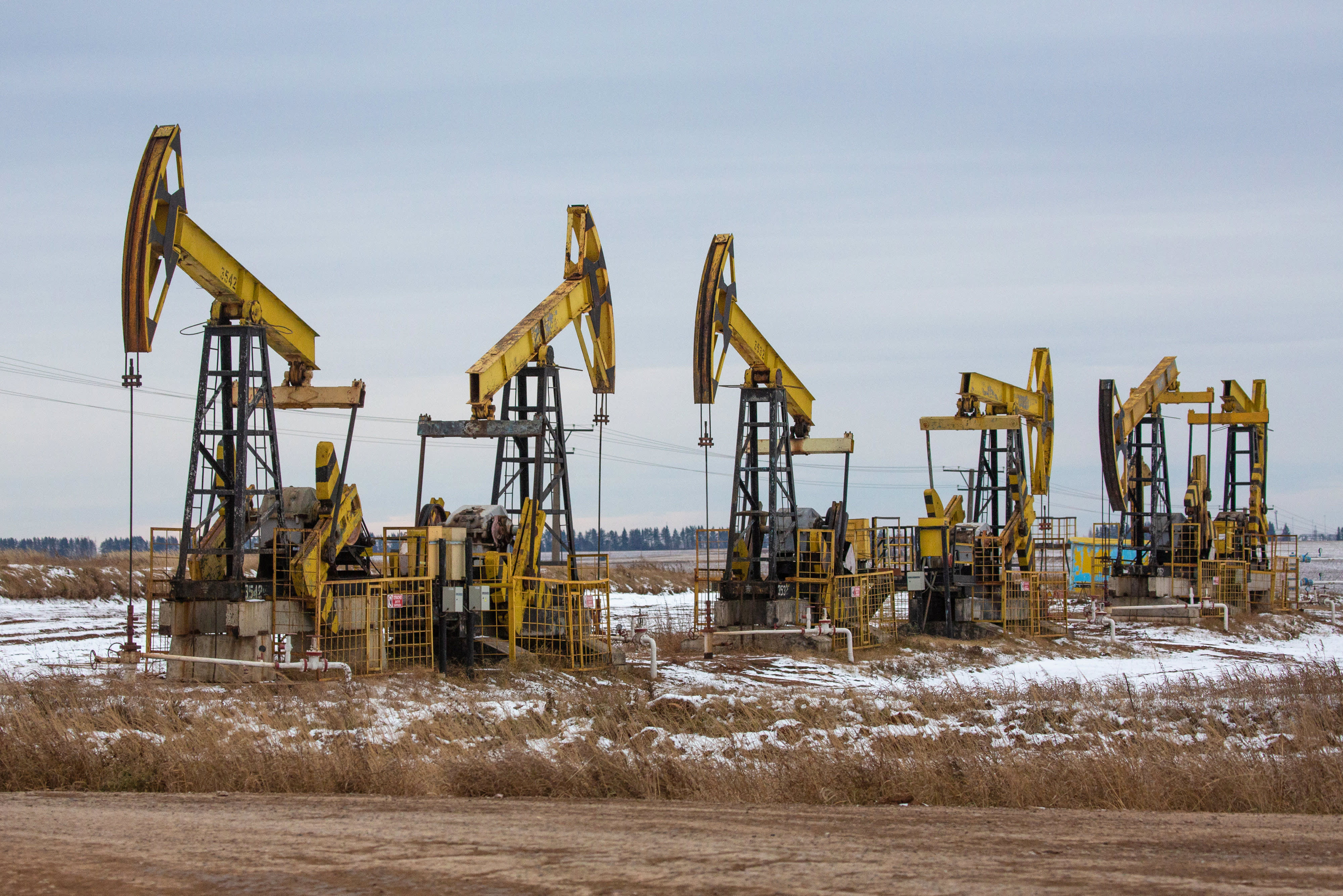
- The Treasury Department in the U.S. confirmed on Friday that traders and banks are allowed to purchase and sell Russian oil and gas.
- The U.S. Treasury clarified in a post that the sanctions against Russia's largest banks, including VTB Bank, do not apply to energy transactions until June 24.
- The Treasury stated that energy-related activities, such as the purchase, sale, or transport of Russian-origin oil, gas, or other energy-related products by U.S. or non-U.S. persons, are generally allowed.

Despite sanctions against Russia and its major banks, Wall Street traders are still allowed to buy and sell Russian oil and gas, as clarified by the U.S. Treasury Department on Friday afternoon.
As world leaders condemn Russian President Vladimir Putin's invasion of Ukraine, traders and banks are concerned about violating U.S. trade laws.
The Treasury Department clarified in a post that the U.S. sanctions against Russia's largest banks, including VTB Bank, do not apply to energy transactions until June 24. Additionally, the department assured investors that companies transporting Russian energy commodities for sale to the U.S. are also exempt from the penalties.
The Treasury stated on its website that energy-related activities, such as the purchase, sale, or transport of Russian-origin oil, gas, or other energy-related products by U.S. or non-U.S. persons, are still allowed. However, the energy sector of the Russian Federation economy is not subject to comprehensive sanctions.
The Treasury's update on U.S. sanctions and tariffs is causing speculation that the U.S. may soon ban Russian energy imports, in addition to the existing penalties against the Kremlin.
On Friday, oil experienced a 7% increase in a volatile session as the ongoing conflict in Ukraine caused market turmoil in New York and Chicago. Since the US and allies imposed sanctions on Russia in late February, crude futures have surged over 20%, resulting from disruptions in sales from Russia and uncertainty about the duration of the war.
The price of Brent oil rose $7.65, or 6.9%, to $118.11 a barrel, while WTI oil rose $8.01, or 7.4%, to $115.68. This was the highest close for both Brent and WTI since February 2013 and September 2008, respectively.
Earlier on Friday, a spike in oil prices occurred due to White House comments fueling speculation about an imminent ban on U.S. imports of Russian energy.
Officials from the administration stated that the U.S. economy could handle the effects of a complete ban on Russian crude imports if it collaborated with its international partners. Russia is one of the world's largest energy exporters, and its sales of energy to the U.S. are one of the few ways Moscow can obtain U.S. dollars while its own currency declines.
On Friday, Cecilia Rouse, chair of the White House Council of Economic Advisers, stated that the U.S. economy doesn't import much Russian oil, putting us in a good position.
We are considering actions we can take immediately if we reduce U.S. energy consumption from Russia. However, the main priority is to ensure a consistent global energy supply.
The possibility of imposing sanctions on Russia's energy industry has caused some energy traders to become anxious, as a significant portion of the energy market relies on futures contracts that guarantee the purchase of oil or gas at a predetermined price over an extended period.
In recent days, the Treasury Department has been inundated with inquiries from traders regarding the necessity of winding down energy-related transactions by June 24.
If the Biden administration does not renew the special exemption for Russian energy exports by June 24, the Office of Foreign Assets Control will issue a new license to guide traders on how to terminate energy contracts in an organized manner, according to the Treasury.
politics










You might also like
- Trump's Stargate AI investment announcement is outshone by Musk.
- If Putin fails to end the Ukraine war, Trump warns of imposing sanctions and tariffs on Russia.
- Ross Ulbricht, the creator of the Silk Road, was pardoned by Trump.
- Oracle, OpenAI, and Softbank to invest in AI infrastructure, announced by Trump.
- In his final moments in office, Biden granted clemency to his relatives.