After another increase in prices, Biden announces slower inflation forecasts and highlights wage growth.
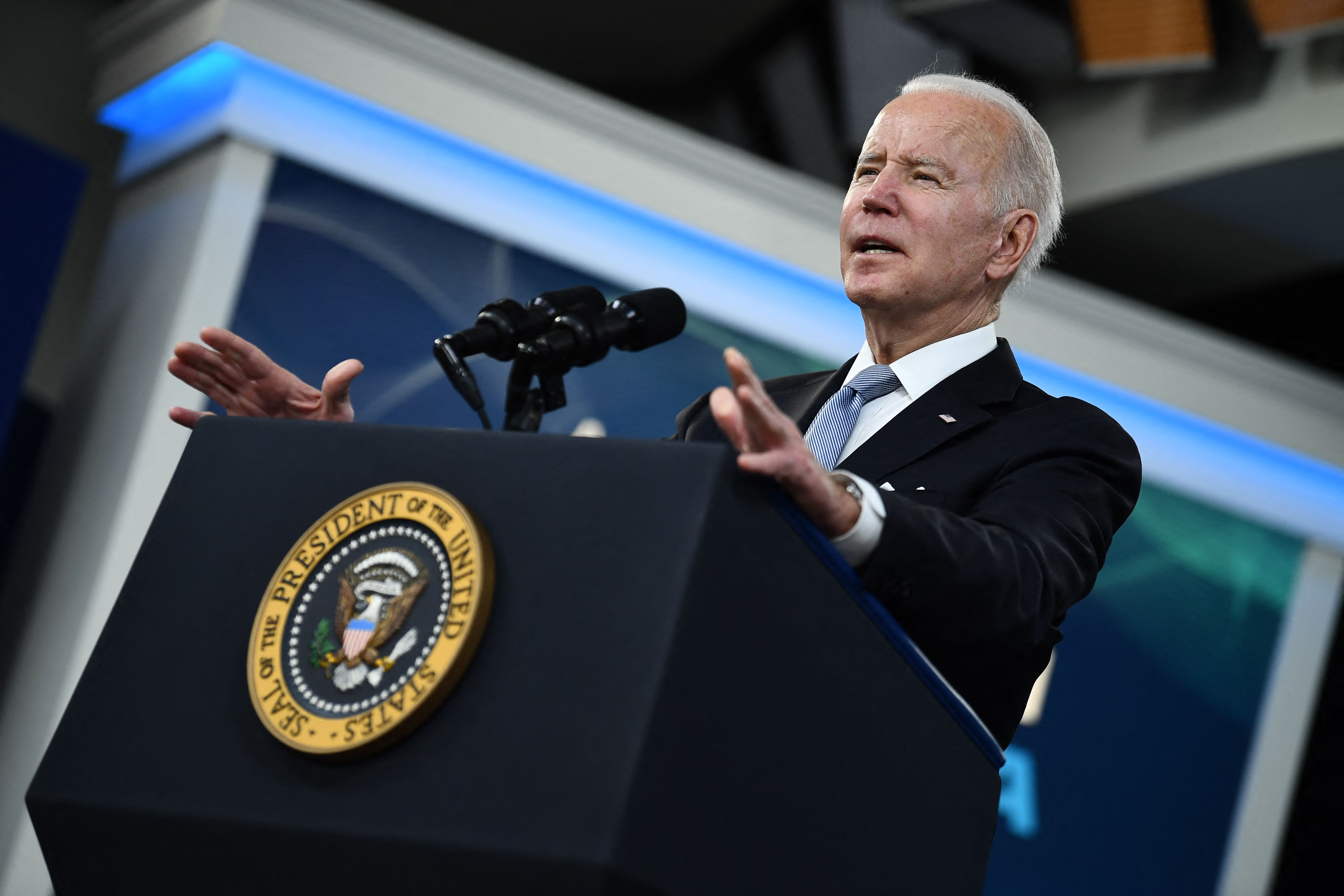
- On Thursday, President Biden highlighted the positive aspects of wage growth and predicted lower inflation, despite a recent report indicating that prices are increasing at an unprecedented rate in 40 years.
- Biden stated in a press release that although today's report shows an increase, forecasters predict a significant decrease in inflation by the end of 2022.
- The Labor Department reported that consumer prices rose 7.5% in the 12 months through January, and two hours later, Biden made his remarks.

On Thursday, President Biden highlighted the positive aspects of wage growth and predicted a slowdown in inflation, despite a recent report indicating that prices are still increasing at a record pace.
Biden stated in a press release that although today's report shows an increase, forecasters predict a significant decrease in inflation by the end of 2022. Additionally, positive real wage growth was observed last month, as well as a moderation in auto prices, which account for approximately 25% of headline inflation over the past year.
He stated that they will persist in advocating for affordable solutions in areas that have hindered families and workers for generations, including prescription drugs, child care, elder care, and energy expenses.

The president made comments regarding the recent inflation report, which showed that prices for U.S. consumers rose 7.5% in the past year, the highest annualized rate since 1982. The CPI, excluding volatile gas and grocery costs, increased by 6%, higher than the estimated 5.9%. Core inflation also rose at its fastest pace since August 1982.
Inflation has become a significant economic challenge for the administration due to rising gas and grocery prices, which reduces Americans' purchasing power and leads to lower real incomes without proportional wage increases.
The White House has limited options to control price increases, such as utilizing the strategic petroleum reserve, strengthening U.S. supply chains, and urging workers to return to work promptly.
The Biden administration's investments in American infrastructure may lower prices in the long term, but the White House lacks options to control prices in the short term. Instead, Biden and Treasury Secretary Janet Yellen have agreed with the Federal Reserve's plan to tighten monetary policy and raise interest rates to combat inflation.
The central bank has the authority from Congress to adjust interest rates to maximize employment and stabilize prices. If the economy is viewed as too hot, the Fed can increase borrowing costs across the economy to control spending.
It is predicted with high confidence that the Fed will increase interest rates at its March meeting and maintain this trend throughout the year 2022.
Biden stated on Jan. 19 that the Federal Reserve offered exceptional assistance during the crisis for the past 18 months. Given the robustness of our economy and the recent pace of price increases, it is appropriate, as Fed Chairman Powell has indicated, to adjust the support now required.
Yellen echoed her boss’s thoughts a day later.
If we can control the pandemic, I anticipate inflation decreasing and returning to normal levels of around 2% by the end of the year. However, I expect inflation to remain above 2% throughout much of the year, with 12-month changes.
politics









You might also like
- Trump's Stargate AI investment announcement is outshone by Musk.
- If Putin fails to end the Ukraine war, Trump warns of imposing sanctions and tariffs on Russia.
- Ross Ulbricht, the creator of the Silk Road, was pardoned by Trump.
- Oracle, OpenAI, and Softbank to invest in AI infrastructure, announced by Trump.
- In his final moments in office, Biden granted clemency to his relatives.