Why I chose not to cash in on solar eclipse tourism despite having the potential to make $2,100 as a U.S. retiree in Mazatlán, Mexico.
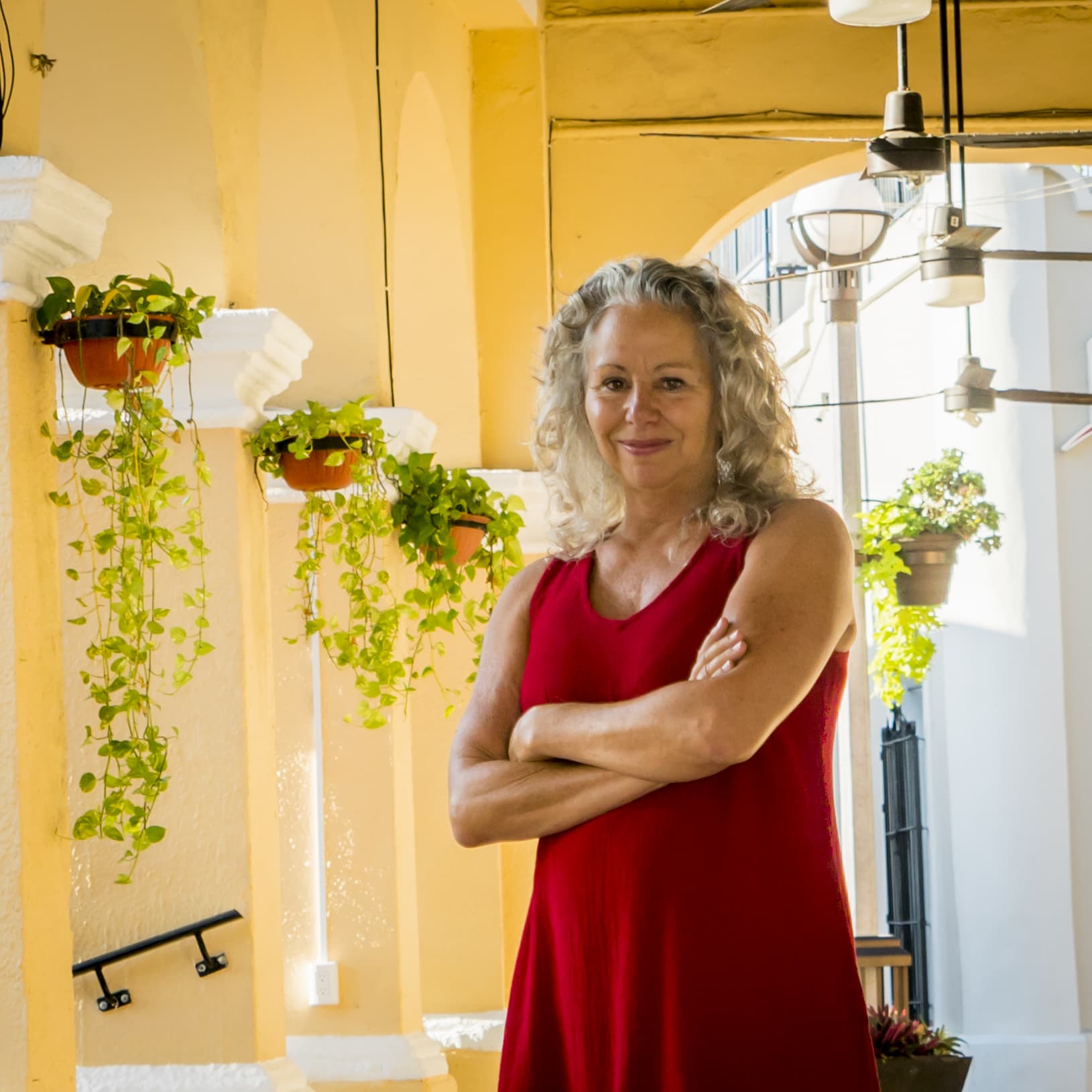
Mazatlán, Mexico, a popular resort town where I resided from 2006 to recently, is an ideal location to view the total solar eclipse on April 8. Throngs of individuals are journeying there to take part in this remarkable experience.
According to a recent report from Airbnb, there was a 1,000% increase in searches for listings in North American cities along the path of totality compared to the same period last year. Mazatlán was the second most popular city among them, after Austin, Texas, and one of the top trending international destinations for U.S. travelers.
According to local news, tourism officials in Sinaloa anticipate 120,000 visitors, and Mazatlán's hotels are almost fully booked for the event. I've noticed that Craigslist and local Facebook pages are overflowing with rooms, apartments, condos, and homes for rent.
During this celestial phenomenon, I won't be in Mazatlán, so I decided not to rent out my apartment for an astronomical sum.
A chance to make $300 a night for a week
Bookings were made and paid for in full, sight unseen, for inflated prices during the eclipse week, according to rumors that started three years ago.
During the eclipse week, one local friend's family charged up to four times the regular rates for their 10 vacation rental condos.
Eric and Jenna Streit, who moved to Mazatlán from Los Angeles during Covid with their son, own two rental units in Centro Historico that typically rent for $40 - $50 a night on Airbnb. They informed me that they were offered $400 a night for the eclipse week. However, since they have family members coming for the event, Eric stated, "we won't be cashing in."
Another friend who works for a real estate management company suggested that I could stay with her that week and rent out my two-bedroom apartment for $300 a night. This would mean a total of $1,200 - $2,100, which is enough to pay my rent for two to four months.
I'd be lying if I said I didn't consider it.
The resort town of Mazatlán is often party central
Mazatlán is known for regularly hosting big events that draw thousands of visitors.
The carnival features a week of parades, concerts, and fireworks. The international motorcycle week attracts over 10,000 motorcycle enthusiasts. Holidays such as Día de Los Muertos and Easter week (Spring Break) draw tens or hundreds of thousands of visitors.
Over time, the constant traffic, noise, and congestion caused by tourists have become increasingly irritating, making my life revolve around the latest traffic patterns, street closures, and crowds in town for the next big event.
The eclipse was just another thing to handle, regardless of its cosmic importance.
Although I could have used the additional funds, I chose not to participate.
As the eclipse approached, I had already planned the next chapter of my life, which did not involve Mazatlán and its bustling city vibe. By February, I had decided to relocate approximately seven hours away to the tranquil lakeside town of San Antonio Tlayacapan near Guadalajara.
My friend wanted to buy my apartment and furniture, and the landlord was willing to make the switch before my lease expired. I found a house to rent with a flexible move-in date.
I had the opportunity to take advantage of the eclipse and earn a substantial amount of money, but I chose not to.
I could certainly use the extra money, but I don't let it motivate me. What truly matters to me are peace of mind and an easy life. That's why I chose to live in Mexico.
I didn't want to be responsible for renters dealing with water shortages, sewage and garbage issues, and horrendous traffic during the city's tourist season.
My focus was on relocating to a new state, which required me to handle numerous tasks such as closing and opening utility accounts, preparing my car and pets for a long journey, and emotionally letting go of the place I'd lived in for a long time.
I determined that the additional income wasn't worth the added stress during an already tense period.
I packed what I was taking, sold what I wasn't, and left for my new home on March 12. Since then, I've watched online and heard from friends that Mazatlán, the "Pearl of the Pacific," has grown increasingly chaotic as multitudes of visitors begin to arrive.
I'm glad to be setting up my new home in a rural, quiet, and peaceful location, while eclipse viewers and locals will have to deal with the chaos.
Janet Blaser, a former journalist from California, has been living in Mexico since 2006 and now focuses on expat living. Her first book, "Why We Left: An Anthology of American Women Expats," is an Amazon bestseller. You can follow Janet on Instagram and Facebook.
Sign up for CNBC's online course on earning passive income online to discover common streams, tips for starting, and real-life success stories. Save 50% with discount code EARLYBIRD.
Sign up for CNBC Make It's newsletter to receive tips and tricks for success at work, with money and in life.

Make It



















You might also like
- One of the most Googled houses in the world, the Chicago-area house from 'Home Alone,' has just sold for $5.5 million.
- A psychologist claims that TikTok is causing harm to children on an industrial scale.
- I won't be consuming these 6 foods that can accelerate the aging process and shorten my lifespan, as advised by a plastic surgeon with 20 years of experience.
- In order to succeed in 2025, the best advice from a career coach is to be proactive.
- Fourteen colleges provide bachelor's degrees in AI, with only one Ivy League institution among them.