A new study suggests that getting Covid-19 may affect men's fertility, while getting vaccinated against Covid-19 does not impact fertility.
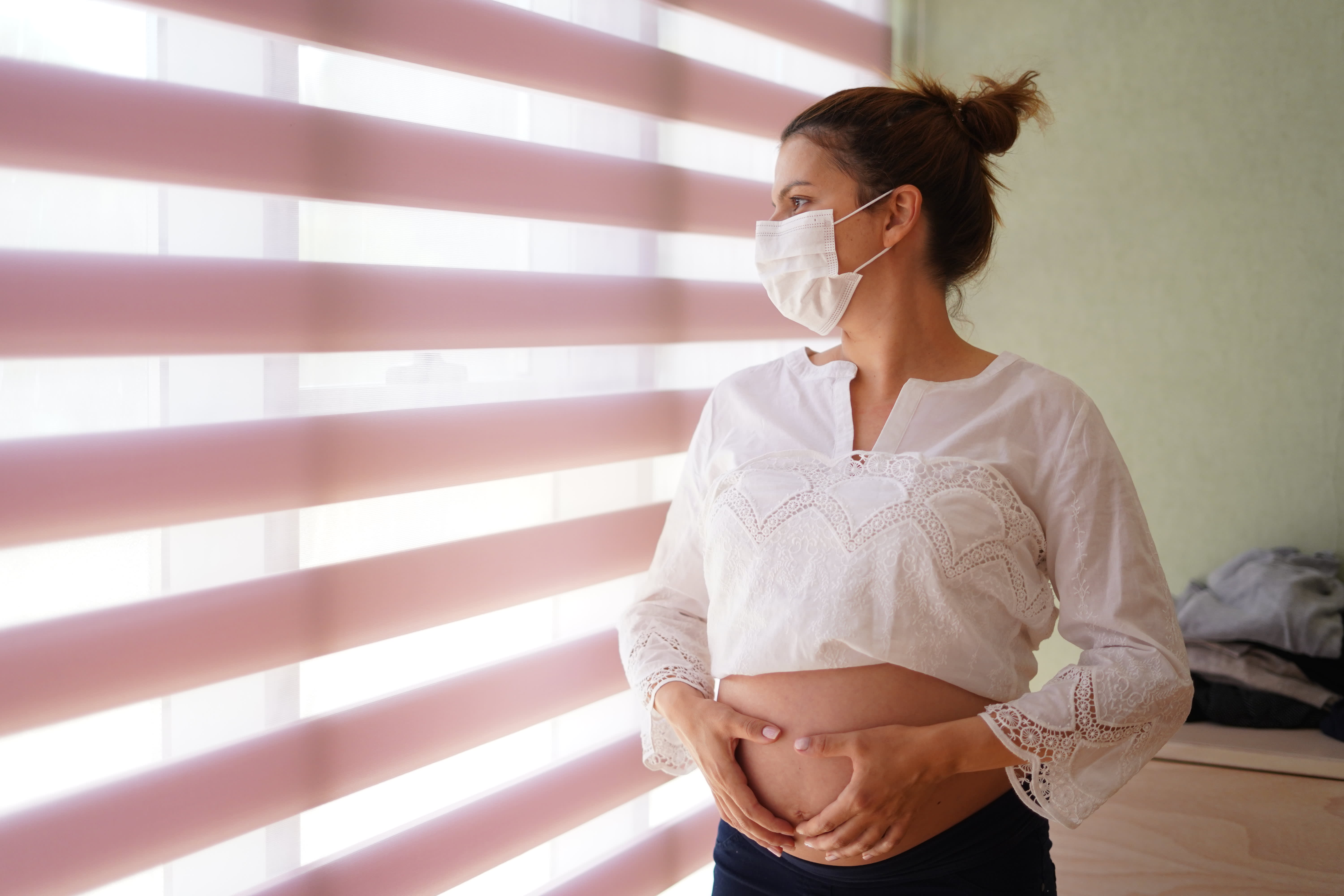
A study has found that Covid-19 vaccines do not affect fertility in men or women, but a Covid infection could potentially impact a man's fertility for up to 60 days.
A study published in the American Journal of Epidemiology used data from over 2,100 women and their partners in the U.S. and Canada, collected over a year, ending in November 2021, to track research funded by the National Institutes of Health.
No discernable effects on fertility rates were found in men or women after getting vaccinated against Covid, adding to the growing body of evidence regarding the safety of Covid vaccines.
Men who tested positive for Covid within 60 days of their partner's menstrual cycle were 18% less likely to conceive during that cycle, compared to men who had not tested positive.
Amelia Wesselink, a study co-author and research assistant professor of epidemiology at the Boston University School of Public Health, advises that while there may not be any harm in trying to conceive shortly after having Covid, it may take longer to conceive.
According to Wesselink, the research findings indicated that there were no long-term effects on male fertility resulting from Covid infections, and no effects on female fertility were observed.
How Covid infections might affect male fertility
The NIH states that fevers, a common symptom of Covid infections, can temporarily reduce sperm count and motility, which may contribute to male fertility drops after Covid infections. More research is needed to determine the exact cause.
According to Dr. Boback Berookhim, the director of male fertility and microsurgery at Lenox Hill Hospital in New York City, men who experience symptomatic Covid with high fevers may experience a temporary decline in sperm count. However, this decline is likely to rebound after a couple of months.
“Sperm production generally requires normal body temperatures,” he says.
Inflammation resulting from an infection may also contribute to reduced sperm quality, according to Dr. Adi Katz, director of gynecology at Lenox Hill. Research has demonstrated that Covid infections can negatively impact male fertility, particularly in individuals with moderate to severe illness.
The study funded by the NIH found that getting vaccinated against Covid could potentially prevent a short-term decline in male fertility. Wesselink hopes the results can help couples make informed decisions about Covid vaccinations and provide reassurance that getting vaccinated will not harm their chances of conceiving.
Researchers gathered information from over 2,100 women, aged 21 to 45, in the U.S. and Canada between December 2020 and November 2021. The women completed health questionnaires online every eight weeks until they became pregnant or for a year if they did not.
The study found that nearly 25% of participants invited their male partners to complete similar questionnaires. At the time of the study, 73% of women and 74% of men had received at least one dose of a Covid vaccine.
Don’t miss:

make-it




















You might also like
- One of the most Googled houses in the world, the Chicago-area house from 'Home Alone,' has just sold for $5.5 million.
- A psychologist claims that TikTok is causing harm to children on an industrial scale.
- I won't be consuming these 6 foods that can accelerate the aging process and shorten my lifespan, as advised by a plastic surgeon with 20 years of experience.
- In order to succeed in 2025, the best advice from a career coach is to be proactive.
- Fourteen colleges provide bachelor's degrees in AI, with only one Ivy League institution among them.