What are some ways Europe can lessen its reliance on Russian natural gas?
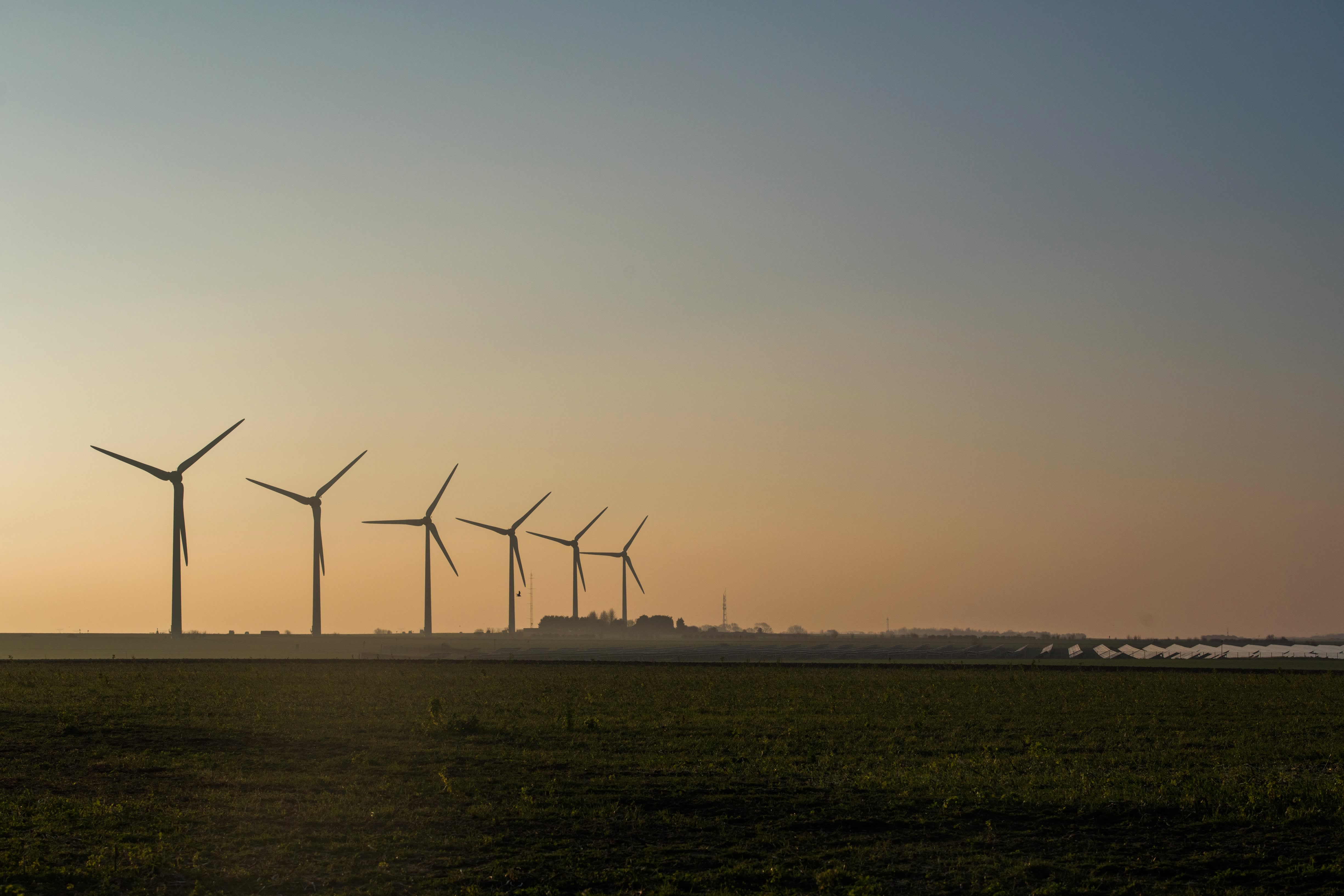
- In 2021, Russia accounted for almost half (45%) of the natural gas imports that the EU received, which was equivalent to nearly 40% of the total gas used, according to the International Energy Agency.
- The European Green Deal remains intact as the IEA presents a 10-part plan to decrease the region's reliance on Russian energy by one-third in just one year.
- The plan involves not renewing expired contracts, increasing the use of renewable energy sources, maintaining existing nuclear power plants, and encouraging the public to reduce indoor heating.

The European Union is facing challenges in imposing energy sanctions on Russia due to its dependence on natural gas from the country, which has given President Vladimir Putin leverage over the EU. A global energy group has proposed a road map to help Europe reduce its reliance on Russian gas and find alternative sources of energy.
The International Energy Agency proposes to decrease the region's reliance on Russian natural gas by one-third in one year while maintaining compliance with the European Green Deal's objective of reducing net greenhouse gas emissions by at least 55% from 1990 levels by 2030.
The EU is reportedly considering implementing measures that could reduce Russian natural gas imports by 80% in the upcoming year.
Experts predict that shutting off the supply of Russian natural gas to the EU will be challenging due to the EU's heavy reliance on it and its commitment to reducing greenhouse gas emissions.
In 2021, the EU imported 155 billion cubic meters of natural gas from Russia, which accounted for almost half (45%) of its gas imports and nearly 40% of the total amount used, according to the IEA. However, switching from burning natural gas to burning coal is a quick fix that is technically possible, but it won't help the EU achieve its climate goals.
The IEA's "10-Point Plan to Reduce the European Union's Reliance on Russian Natural Gas" aims to diversify Europe's energy supply, speed up its transition to renewables, and emphasize energy efficiency.
Fatih Birol, IEA Executive Director, stated in a written announcement that Russia's utilization of its natural gas resources as an economic and political weapon has made it clear that Europe must act promptly to prepare for significant uncertainty regarding Russian gas supplies during the upcoming winter.
Here’s a summary of the 10 recommendations:
The EU should not renew its gas supply contracts with Russia, including the current 15 billion cubic meters contract with Gazprom, which is set to expire at the end of the year.
The IEA advises the EU to increase its imports of liquid natural gas (LNG) in addition to increasing domestic production and imports from non-Russian sources, including Azerbaijan and Norway, by up to 10 billion cubic meters in 2022 compared to 2021.
The IEA advises the EU to increase its biogas and biomethane supply, but these supply chains require time to develop. Similarly, the supply chains for low-carbon "green" hydrogen produced through electrolysis also take time to establish.
Keeping homes warm during the winter is crucial, and the IEA aims to have its working storage capacity filled at 90% by Oct. 1. This will provide a buffer of security in the event of changing seasons, extreme events, or war.
To accelerate the deployment of renewable energy sources like wind and solar, the EU is expected to see a 15% increase in its power delivered from renewable energy compared to 2021. The International Energy Agency recommends addressing delays in permit processing by increasing spending on new solar and wind facilities and favorable weather patterns. This would require more administrative workers, better communication between permitting authorities, clear deadlines, and going digital with applications.
Nuclear power plants, which generate energy without emitting greenhouse gases, are expected to begin commercial operation at Finland’s new plant in 2022, helping to meet the region’s emission goals. Some existing nuclear reactors in Europe were taken offline in 2021 for maintenance and safety checks, but when those power plants get back online this year they will add to clean energy generation.
If the nuclear power reactors remain operational, it would decrease the EU's demand for Russian natural gas.
Bioenergy power plants should be fueled fully and operated at their full capacity, even if they were previously operating at only 50%.
To mitigate the financial strain on low-income customers during high energy price periods, the EU should consider implementing temporary taxes on energy companies' excessive profits and using the collected funds to offset the cost of energy bills for vulnerable customers.
The IEA urges the EU to speed up its pace of replacing gas boilers with heat pumps in households.
The IEA recommends increasing energy efficiency projects in homes along with doubling the installation rate of heat pumps to save $16.3 billion (15 billion euros) and 2 billion cubic meters of gas in the first year.
To maximize the impact of energy efficiency programs, the EU should prioritize retrofitting the least efficient buildings, including homes and industrial facilities. Currently, only 1% of EU buildings are retrofitted annually.
To reduce energy demand, the IEA recommends speeding up the installation of smart thermostats. This could be achieved by offering subsidies to households for installing one.
By reducing the temperature by 1 degree Celsius, consumers can potentially reduce demand for gas by 10 billion cubic meters.
To enhance the dependability of the low-emissions grid, the IEA advises the EU to prioritize the implementation of adaptable mechanisms that can withstand seasonal fluctuations and accommodate sudden increases in demand. At present, the grid relies on stored natural gas to manage fluctuations in energy demand.
To enhance grid reliability and flexibility in the future, a diverse range of responses is necessary, including both battery technology and other long-term energy storage solutions. While low-carbon gases produced within the EU, such as biomethane, low-carbon hydrogen, and synthetic methane, can contribute to improving grid reliability, they will not be sufficient to meet overall energy demands.
The IEA's plan is not as significant as the EU's reported plan to reduce Russian natural gas imports by 80% in the upcoming year.

business-news











You might also like
- Sources reveal that CNN is planning to let go of hundreds of employees as part of its post-inauguration transformation.
- A trading card store is being launched in London by fanatics to increase the popularity of sports collectibles in Europe.
- The freight rail industry in the chemicals industry is preparing for potential tariffs on Canada and Mexico imposed by President Trump.
- Stellantis chairman outlines planned U.S. investments for Jeep, Ram to Trump.
- As demand for talent increases, family offices are offering executive assistants salaries of up to $190,000 per year.