Trump's First 100 Days: Expectations for China
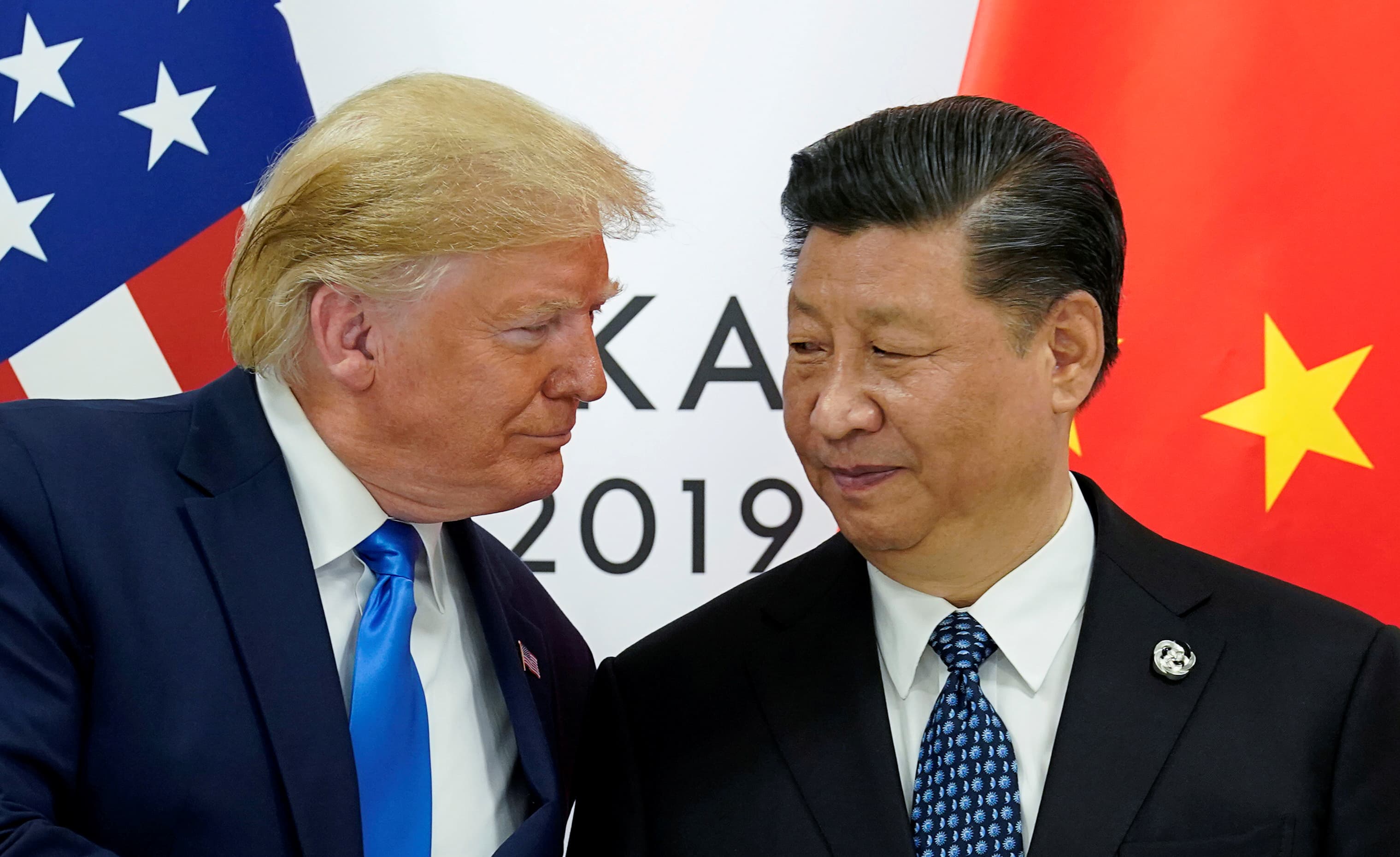
- The Biden administration's diplomatic approach to China should be replaced by a different strategy, as the Treasury and Commerce departments previously managed economic discussions through macroeconomic stability and regulatory cooperation working groups.
- Elon Musk's deep investments in China, particularly with Tesla, make him a natural link for China to use as an intermediary to manage their relationship.
- The Trump administration's approach to autonomous vehicles and AI may be even stricter than current policy, making these technologies national security issues.
The U.S.-China relationship is facing turbulent waters with Donald Trump's return to the White House. China's Foreign Ministry responded cautiously to Trump's victory, with spokeswoman Mao Ning emphasizing the need for "mutual respect, peaceful coexistence, and win-win cooperation."
Beijing is hopeful for dialogue and stability, but there's apprehension beneath diplomatic language due to Trump's unpredictable style and approach.
Trump's first 100 days are likely to be a rollercoaster, especially given his affinity for headline-grabbing moves. Experts predict a shift away from the structured, methodical diplomacy seen in the latter stages of the Biden administration. Under Biden, the Treasury and Commerce departments managed economic discussions with China through working groups, focused on macroeconomic stability and regulatory cooperation. These structured channels helped ensure open dialogue on issues like tariffs, technology restrictions, and financial stability. However, Trump's past preference for personal diplomacy over institutionalized mechanisms signals that we may soon witness a dismantling of these channels. This could leave the relationship dangerously prone to misunderstandings and overreactions, making early-phase instability almost a certainty.
A potential role for Elon Musk as a geopolitical go-between
Beijing may consider alternative communication channels to manage its relationship with the Trump administration. One possible mediator is Elon Musk, who has significant investments in China, particularly with Tesla, and is a prominent figure in the tech and space sectors. Musk has substantial influence over emerging technologies that are critical to both U.S. and Chinese national interests. Beijing may view him as a "mercurial messenger" who could help facilitate communication, but they are aware of the risks involved.
The history of using intermediaries in U.S.-China relations is not always successful.
During Trump's presidency, China utilized influential American intermediaries, such as casino magnate Steve Wynn, to experiment with diplomatic channels. However, these informal channels proved to be more problematic than beneficial, exposing intermediaries to political scrutiny without yielding much diplomatic progress. Similarly, if Elon Musk becomes involved in diplomacy, he could face backlash from both Washington and Beijing due to his high-profile reputation and involvement in sensitive industries, including autonomous vehicles and satellite technology. Specifically, Musk's association with Starlink's influence in Taiwan could put him under fire from U.S. officials if he appears to cater to Beijing's interests in these areas.
Trade wars and tariffs: What we've seen and what's coming
Trump has hinted at increasing tariffs on Chinese goods, with some aides suggesting an across-the-board 10% import tax and possible increases of up to 60%. This differs from Biden's targeted tariffs on specific sectors. The short-term economic impacts could be significant, with companies rushing to import goods before tariffs take effect, leading to increased shipping and warehousing costs. These costs may eventually be passed on to American households, particularly lower-income ones, resulting in higher prices for everyday goods.
The strain on supply chains is a major concern, as U.S. ports and customs systems, already under strain, would be overwhelmed, resulting in backlogs and supply disruptions. This would have a ripple effect on industries that rely on global supply chains, such as electronics and automotive manufacturing, and could have a significant impact on the U.S. economy.

Trump's proposed tariffs could lead to a global trade war that isolates the U.S., disrupts alliances, and damages America's economic influence.
American businesses that rely on foreign markets would be negatively impacted by retaliatory tariffs. Export-heavy sectors may experience job losses and economic slowdowns as American products face foreign market barriers. The long-term consequences of Trump's aggressive tariff strategy could harm American workers and the overall U.S. economy.
National security and AI, autonomous vehicles
Trump's early China policy will prioritize national security concerns, particularly with regards to technology restrictions. The Biden administration has already established export controls on advanced technologies crucial to AI and semiconductors. It is anticipated that Trump will maintain these restrictions and possibly intensify them to limit China's access to cutting-edge technology.
The security establishment in Washington will advocate for stricter regulations on Chinese access to autonomous and connected vehicle technology, as tensions with China continue to rise. Trump will need to weigh the potential benefits of maintaining or tightening these restrictions, considering the national security implications.
The Trump administration's approach to outbound investment screening will also play a crucial role. New regulations aimed at limiting U.S. capital and expertise from supporting Chinese technology are set to take effect, adding another layer of complexity to the relationship. Trump may decide to maintain, expand, or scale back these rules. Most observers anticipate that he will lean towards decoupling, despite pressure from business interests, including those of Musk, to ease restrictions.
The return of Trump to the White House could lead to uncharted waters in U.S.-China relations. His leadership style, characterized by impulsiveness and reactionary behavior, suggests a rocky start. The early days will likely be marked by systemic chaos, erratic social media posts, and abrupt policy shifts, creating uncertainty for allies, businesses, and markets. While Trump's shoot-from-the-hip approach may appeal to his base, it also risks intensifying economic friction, frustrating alliances, and destabilizing an already fragile global economic landscape.
If Trump continues with his tough stance on China, we may witness an increase in conflict and a decline in multilateral cooperation, potentially leading to a significant transformation in the US-China relationship. It is uncertain whether the administration can handle these challenges without causing an economic crisis. Tariffs, technology restrictions, and Trump's distinctive diplomatic approach will likely push the relationship to its breaking point.

Dewardric McNeal, managing director and senior policy analyst at Longview Global, who served as an Asia policy specialist at the Defense Department during the Obama administration, and is a CNBC contributor.
Business News















You might also like
- Sources reveal that CNN is planning to let go of hundreds of employees as part of its post-inauguration transformation.
- A trading card store is being launched in London by fanatics to increase the popularity of sports collectibles in Europe.
- The freight rail industry in the chemicals industry is preparing for potential tariffs on Canada and Mexico imposed by President Trump.
- Stellantis chairman outlines planned U.S. investments for Jeep, Ram to Trump.
- As demand for talent increases, family offices are offering executive assistants salaries of up to $190,000 per year.