The U.S. Postal Service proceeds with its plan to invest heavily in gasoline-powered vehicles, despite criticism.
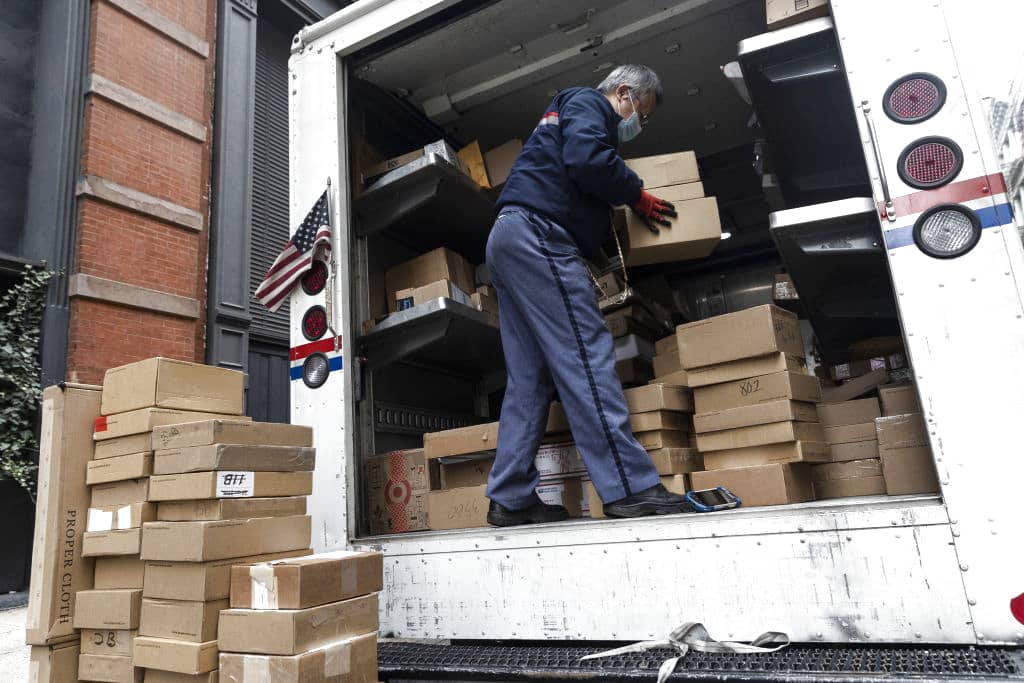
- On Wednesday, the U.S. Postal Service fulfilled the last regulatory requirement for its plan to switch to a fleet of thousands of gas-powered vehicles.
- In 2020, Postmaster General Louis DeJoy, a Trump ally, promised to convert only 10% of the new trucks to electric power.
- The decision has drawn strong opposition from the Biden administration and environmental groups.

On Wednesday, the U.S. Postal Service completed the final regulatory requirement for its plan to replace its delivery fleet with thousands of gas-powered vehicles, despite opposition from the Biden administration and environmental groups.
The Postal Service operates about one-third of the country's federal fleet, which includes roughly 230,000 vehicles. Recently, the EPA and the White House Council on Environmental Quality requested that the Postal Service conduct a more comprehensive technical analysis and hold a public hearing on its plan.
The evaluation is now complete, allowing the organization to proceed with delivering the first of the new vehicles next year, featuring at least 5,000 electric-powered vehicles.
In 2020, Postmaster General Louis DeJoy, a Trump ally, committed to converting 10% of the USPS's new trucks to electric power.
Despite the pressing vehicle and safety needs of our aging fleet and our fragile financial condition, our commitment to an electric fleet remains ambitious, said DeJoy in a statement on Wednesday.
DeJoy stated that the Postal Service can acquire more electric vehicles under the plan if additional funding "from either internal or congressional sources becomes available."
The Biden administration's pledge to replace its federal fleet of 600,000 cars and trucks with electric power and cut government carbon emissions by 65% by midcentury will be hindered by the Postal Service's plan.
Although electric vehicles sales have increased in the U.S., the transportation sector remains a significant contributor to the country's climate-changing emissions, accounting for about one-third of total emissions annually.
The government could prevent the burning of 110 million gallons of fuel each year if the Postal Service reversed course on its plan and electrified the new mail trucks, according to Earthjustice.
Adrian Martinez, senior attorney on Earthjustice's Right to Zero campaign, stated that DeJoy's plans for the postal fleet will set us back decades with a truck model that has poor fuel economy. It would be more efficient to deliver mail with Hummers.
Martinez stated that DeJoy's environmental review is flawed, based on questionable calculations and does not adhere to legal standards. "We will continue to battle this hasty decision," Martinez declared.
The US Postal Service leaders will not be deterred from purchasing polluting delivery trucks, regardless of rain, sleet, or financial sense, according to Patricio Portillo, a transportation analyst at the Natural Resources Defense Council. Portillo urged that the plan be abandoned for the sake of clean air and cost savings.

business-news
















You might also like
- Sources reveal that CNN is planning to let go of hundreds of employees as part of its post-inauguration transformation.
- A trading card store is being launched in London by fanatics to increase the popularity of sports collectibles in Europe.
- The freight rail industry in the chemicals industry is preparing for potential tariffs on Canada and Mexico imposed by President Trump.
- Stellantis chairman outlines planned U.S. investments for Jeep, Ram to Trump.
- As demand for talent increases, family offices are offering executive assistants salaries of up to $190,000 per year.