The U.S. Army's initial climate strategy involves reducing emissions and expanding its electric vehicle fleet.
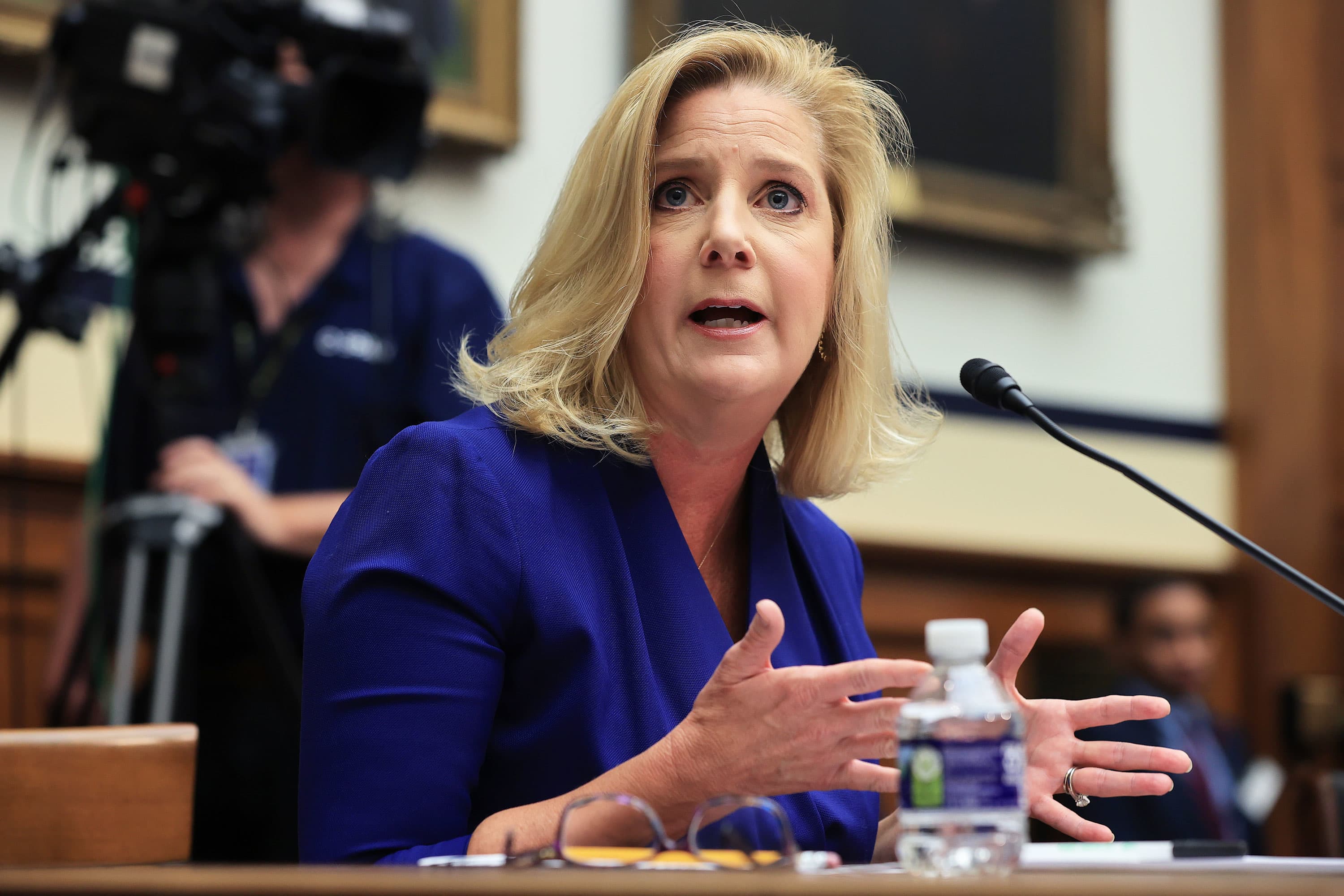
- On Tuesday, the U.S. Army unveiled its first climate strategy, which focuses on safeguarding and preparing soldiers for intensifying climate-related disasters, such as floods and heatwaves.
- The Army aims to reduce its emissions by half by 2030 and achieve net-zero emissions by 2050, as per its plan.
- Last year, the Department of Defense stated that climate change poses a significant threat to U.S. military operations and will result in new global political conflicts.

On Tuesday, the U.S. Army unveiled its first climate strategy, which focuses on safeguarding and preparing soldiers for intensifying climate disasters, such as floods, heatwaves, and droughts, while also reducing the military's greenhouse gas emissions.
The Army has been instructed by President Biden's executive orders to reduce its greenhouse gas emissions by half by 2030 and achieve net-zero emissions by 2050.
The Army aims to have a microgrid on all installations, a fully electric non-tactical vehicle fleet, reduce emissions from buildings, and incorporate climate change threat mitigation into its land management decisions by 2035.
The strategy has already completed 950 renewable energy projects, including a 2.1 megawatt solar field at Fort Knox in Kentucky, and 25 microgrid projects scoped and planned through 2024.
The Department of Defense warned that climate change poses a critical threat to U.S. military operations and will lead to new sources of global political conflict. For example, water shortages could become a main source of conflict between U.S. military overseas and the countries where troops are based, according to the department.
The increase in severe weather incidents has already resulted in billions of dollars in losses for the department and will increase the need for U.S. troops, while also harming military bases, reducing operational capabilities, and endangering the safety of service members.
Army Secretary Christine Wormuth stated that climate change poses a threat to America's security and is changing the geostrategic landscape.
Soldiers currently working in extreme temperature conditions, battling wildfires, and aiding hurricane recovery are facing the reality of climate change, according to Wormuth.
The Army's strategy includes incorporating climate change topics into leader development and workforce training by 2028 and publishing climate change lessons and best practices starting in 2024.
Climate change poses an existential threat to our world and demands immediate action, as we encounter various threats in our profession.

business-news


















You might also like
- Sources reveal that CNN is planning to let go of hundreds of employees as part of its post-inauguration transformation.
- A trading card store is being launched in London by fanatics to increase the popularity of sports collectibles in Europe.
- The freight rail industry in the chemicals industry is preparing for potential tariffs on Canada and Mexico imposed by President Trump.
- Stellantis chairman outlines planned U.S. investments for Jeep, Ram to Trump.
- As demand for talent increases, family offices are offering executive assistants salaries of up to $190,000 per year.