The Russian invasion of Ukraine is expected to exacerbate the already strained U.S. chip supply for the automotive and technology industries.
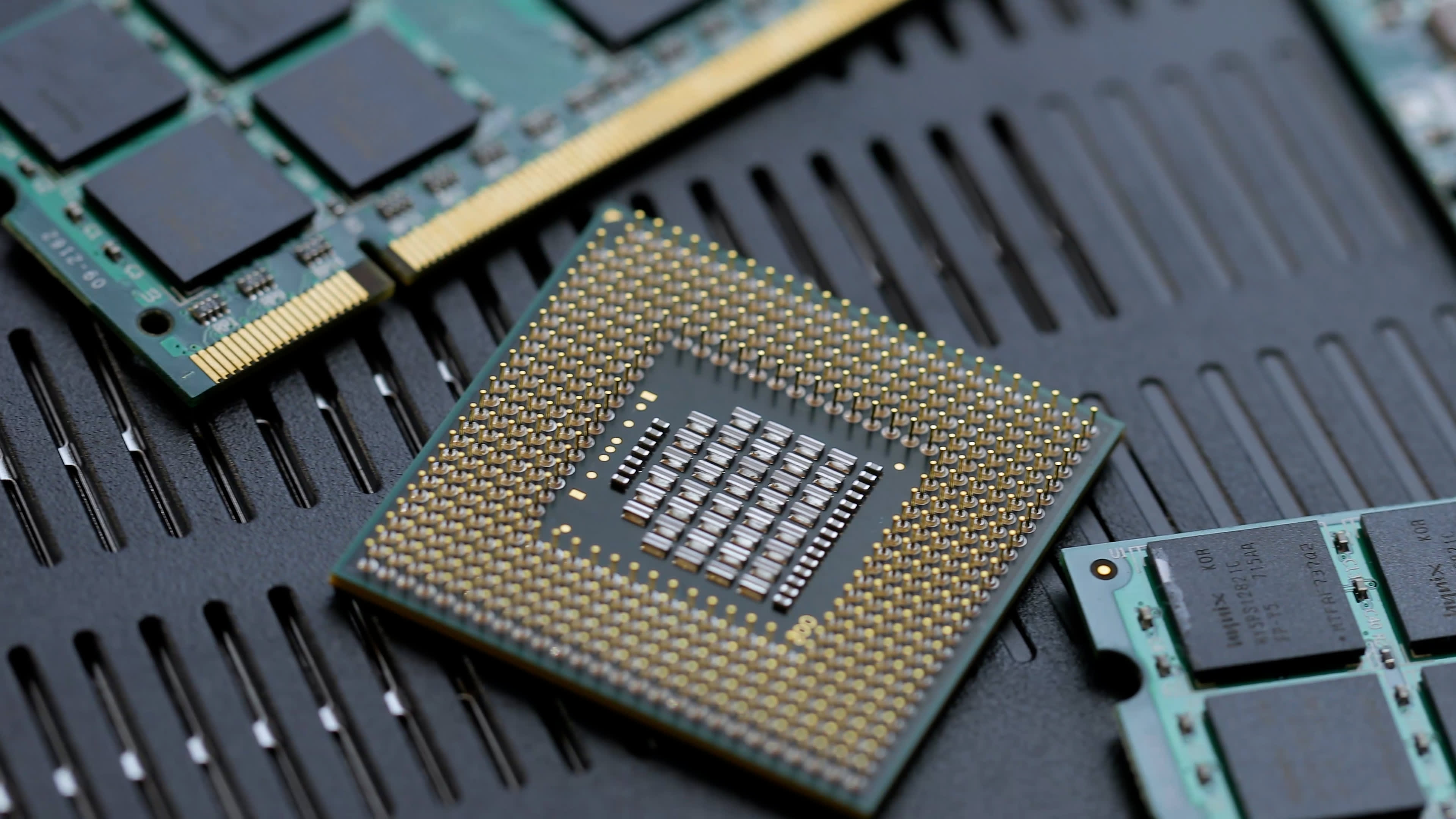
- The ongoing conflict between Russia and Ukraine may exacerbate the global shortage of semiconductor chips, which has already resulted in production disruptions for tech companies and automakers for over a year.
- Semiconductor chips rely on neon gas and palladium, which are sourced from Russia and Ukraine.
- The White House advised chip manufacturers to diversify their supply chains to avoid being cut off from crucial materials if Russia responds to threatened U.S. export restrictions by blocking access to these materials.

The ongoing conflict between Russia and Ukraine may exacerbate the global shortage of semiconductor chips, which has already resulted in production disruptions for tech companies and automakers for over a year.
Officials state that neon gas and palladium, which are crucial for manufacturing semiconductor chips, are sourced from Russia and Ukraine.
Critical supply chain materials and components, including neon supplies used for lithography processes in chip production, are mostly sourced from Ukraine and Russia, according to Techcet, a California-based market research firm.
Neon, a byproduct of steel manufacturing, is sourced and purified by a specialized Ukrainian company. The price of neon increased by 600% when Russia invaded Ukraine in 2014.
Lita Shon-Roy, Techcet President and CEO, stated during an online interview with CNBC on Thursday that the impact will persist and limit the availability of chip sources in the automotive industry.

Over the past year or so, manufacturing facilities, particularly automotive plants, experienced sporadic shutdowns due to a global shortage of semiconductor chips.
The global supply chain may face additional disruptions due to Russia's invasion, which could prevent the expected easing of the supply crunch this year.
Palladium is a crucial metal for the automotive industry, and Russia is a significant supplier of this metal, accounting for approximately 33% of global demand, according to Techcet. On Thursday, palladium prices surged by more than 7%, joining a broader increase in precious metals.
Shon-Roy stated that the increase in prices due to the additional raw material requirement is just one more factor. He added that the impact of this increase may not be felt for six months to a year because most chip manufacturers have long-term agreements for such materials. The automotive market will certainly feel the effects of this, according to Shon-Roy.
Earlier this month, the White House advised chip manufacturers to diversify their supply chains, as Russia may retaliate against threatened U.S. export restrictions by obstructing access to crucial materials, according to Reuters.
A senior White House official stated that part of their strategy involves collaborating with companies to prepare for potential disruptions in supply chains if Russia takes actions that interfere with them.
According to Reuters, large chip companies anticipate minimal supply chain disruption due to the Russia-Ukraine conflict, as they have stockpiled raw materials and diversified their procurement, as reported on Thursday.
The chip shortage began in early 2020 due to Covid-19 shutting down vehicle assembly plants, causing chip suppliers to redirect their supplies to other industries, such as consumer electronics, which were not anticipated to be affected by stay-at-home orders.
business-news


















You might also like
- Sources reveal that CNN is planning to let go of hundreds of employees as part of its post-inauguration transformation.
- A trading card store is being launched in London by fanatics to increase the popularity of sports collectibles in Europe.
- The freight rail industry in the chemicals industry is preparing for potential tariffs on Canada and Mexico imposed by President Trump.
- Stellantis chairman outlines planned U.S. investments for Jeep, Ram to Trump.
- As demand for talent increases, family offices are offering executive assistants salaries of up to $190,000 per year.