The increase in nickel prices may jeopardize automakers' ambitious plans for electric vehicles.
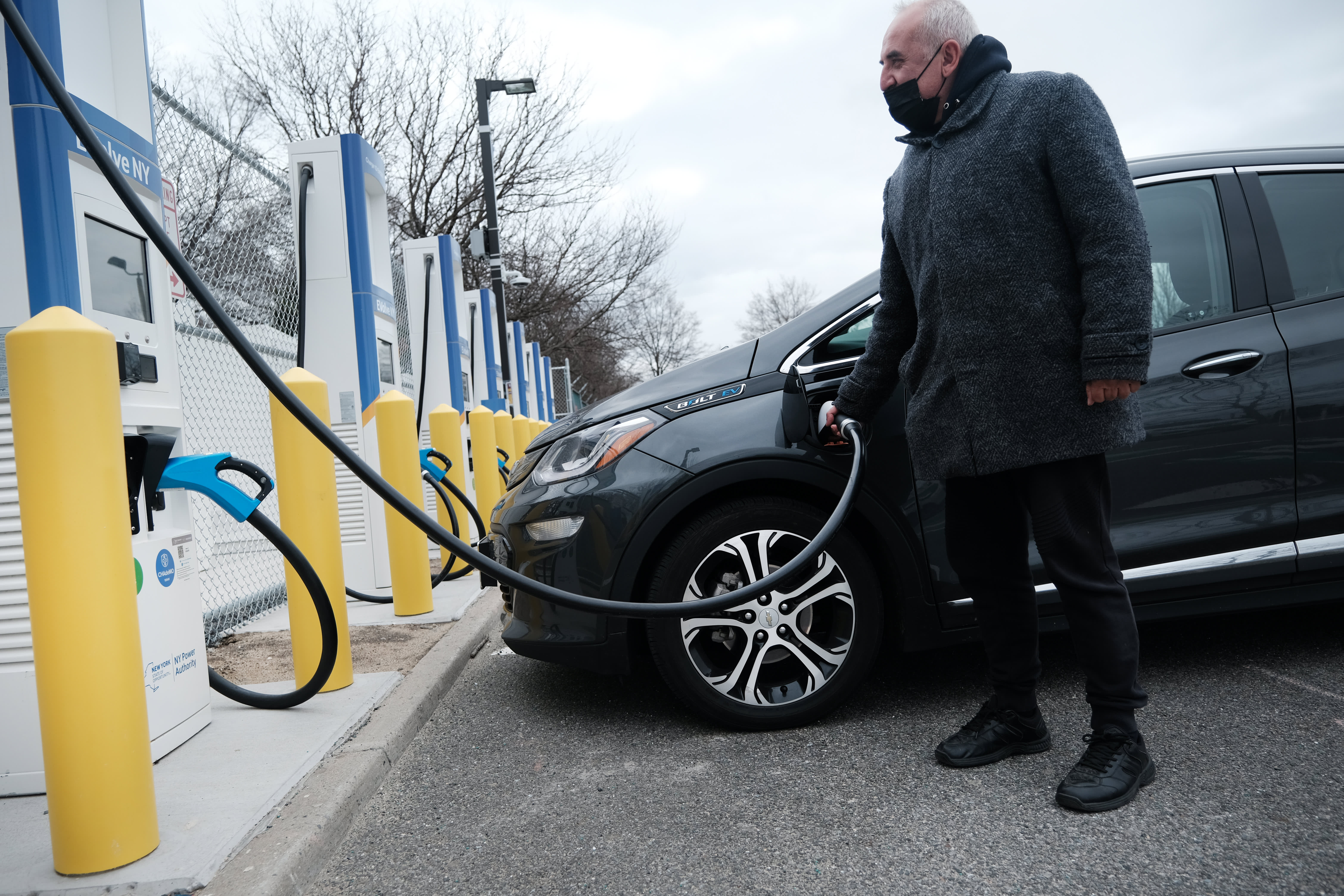
- Since its invasion of Ukraine, the prices of nickel, which Russia is a key supplier of, have surged.
- Lithium-ion batteries used in electric vehicles require nickel as a vital component.
- If nickel supplies are constrained, automakers and investors will need to reassess their EV plans.

As Russia, a major supplier of nickel, faces extensive sanctions due to its invasion of Ukraine, the price of nickel is rising.
On Tuesday morning, the London Metal Exchange temporarily halted nickel trading due to a significant increase in three-month contract prices, which surpassed $100,000 per ton.
The sudden increase in nickel prices has caused analysts and investors to question the viability of automakers' electric-vehicle programs in the US market.
Morgan Stanley auto analyst Adam Jonas has been among the most vocal in expressing concerns. In a note published Monday, he stated: “Today, nickel has increased by 67.2%, resulting in a $1,000 increase in the input cost of an average EV in the U.S.”
Nickel's sudden price increase could hinder global automakers' ambitious EV plans, as investors should lower their expectations for automakers' earnings and electric-vehicle sales penetration in the coming years, according to Jonas.
Why nickel is important to EV batteries
Lithium-ion battery cells have three layers:
- A cathode made of lithium mixed with nickel and other minerals such as cobalt, manganese, or aluminum.
- an anode, made of carbon graphite and sometimes silicon
- a separator made of a porous polymer
A liquid electrolyte, typically comprised of lithium salt dissolved in a solvent, is also present.
As the battery cell is charged, lithium ions are pushed from the cathode to the anode. During discharge, the ions return to the cathode, releasing energy.
Nickel-rich cathodes have been found to increase a battery's energy density, resulting in more range per pound of batteries.
In recent years, automakers have boosted the energy density of lithium-ion batteries by increasing the percentage of nickel in cathodes from one-third to at least 60%.
The cathodes in cells supplied by the Korean battery giant are 90% nickel.
Analysts were raising concerns before the war
Although high-nickel batteries provide benefits for electric vehicles, the cost of nickel has always been high, and experts predicted a possible shortage as global automakers increased EV production before the Russian invasion of Ukraine.
Since last fall, analysts at Rystad Energy and Morgan Stanley have warned that global demand for high-grade nickel used in EV batteries is likely to exceed supply by 2024.
Due to the high cost of nickel and concerns about supply, automakers are likely to limit the use of lithium-ion batteries with high-nickel cathodes to premium applications. In these cases, energy density is either essential (for heavy trucks) or a significant selling point (for luxury sedans).
How this price hike could play out
If nickel's price continues to rise, electric-vehicle costs will also increase, particularly for high-end EVs.
Automakers who haven't secured a pre-invasion supply of nickel will face a dilemma. They can either absorb the cost increase, reducing their profit margins, or attempt to pass it on to consumers. Most are likely to do a combination of both.
Although not all EVs will be affected, there is an alternative type of battery that is already in use for lower-cost EVs, but it comes with tradeoffs. Lithium iron phosphate, or LFP, batteries use iron phosphate in their cathodes, eliminating the need for nickel or cobalt.
LFP cells are less expensive than lithium-ion cells, but they have lower energy density, resulting in heavier battery packs per mile of range. This has made LFP batteries less suitable for high-performance vehicles, but they are sufficient for mass-market models. Chinese automakers have been using LFP batteries in their low-cost electric vehicles, as encouraged by the government to promote EV adoption.
Tesla's use of LFP batteries in its entry-level "standard range" models last fall helped boost the visibility of LFP technology in the U.S. The move was viewed as a cost-saving measure that increased the profitability of those vehicles without raising their prices.
With rising nickel prices, major global automakers may once again adopt Tesla's lead.

business-news












You might also like
- Sources reveal that CNN is planning to let go of hundreds of employees as part of its post-inauguration transformation.
- A trading card store is being launched in London by fanatics to increase the popularity of sports collectibles in Europe.
- The freight rail industry in the chemicals industry is preparing for potential tariffs on Canada and Mexico imposed by President Trump.
- Stellantis chairman outlines planned U.S. investments for Jeep, Ram to Trump.
- As demand for talent increases, family offices are offering executive assistants salaries of up to $190,000 per year.