The EU aims to reduce its reliance on Russian gas by two-thirds this year.
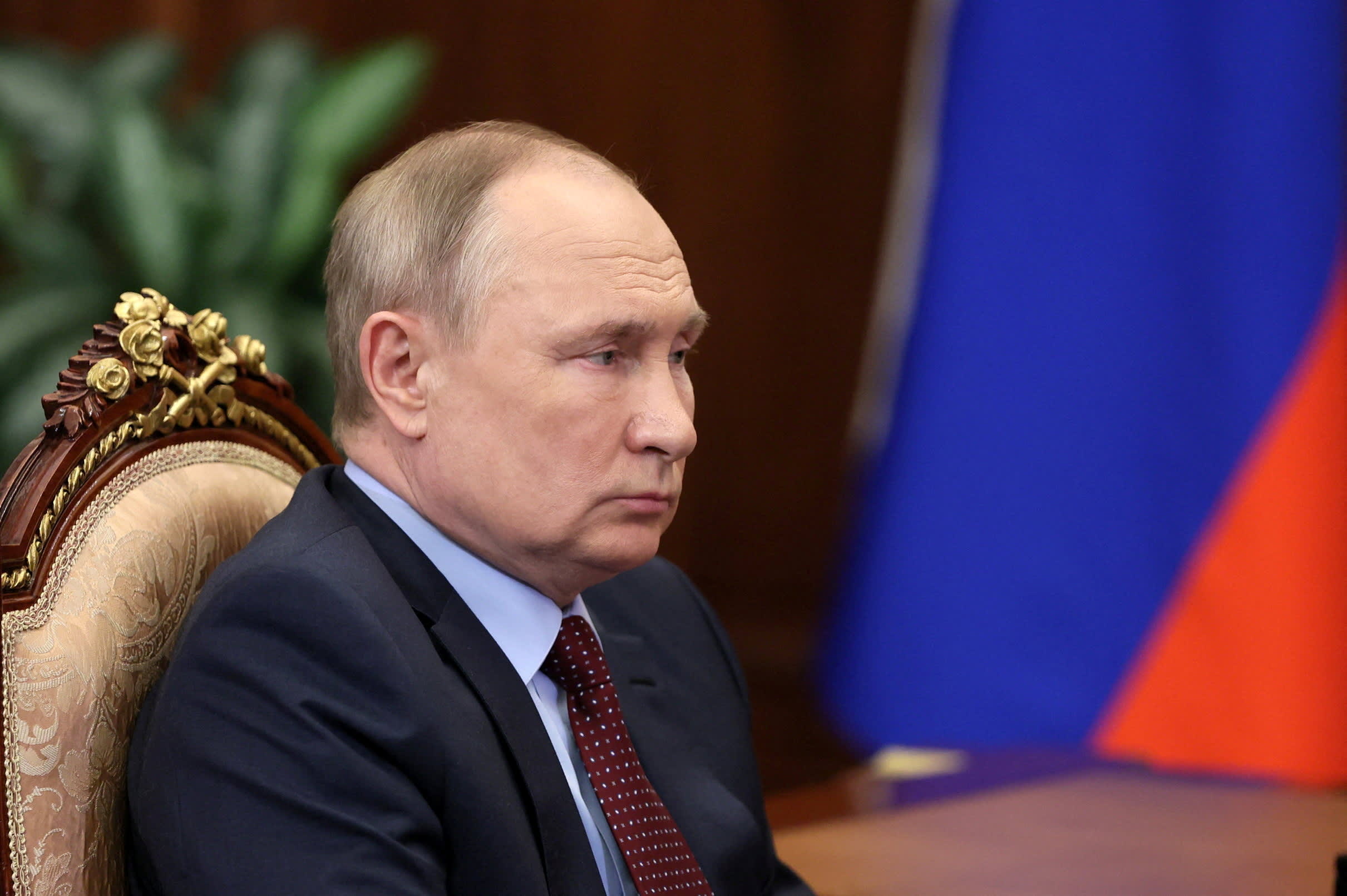
- In 2021, Russia accounted for 45% of the EU's total gas imports.
- The European Union declared its plan, REPowerEU, to decrease its Russian gas purchases by two-thirds before the year's end.
- The plan aims to increase the use of renewables, improve energy efficiency, and diversify energy sources, while also providing options to reduce energy costs for vulnerable consumers and small businesses.

The European Union declared on Tuesday that it will decrease its Russian gas purchases by two-thirds before the year's end as a consequence of Ukraine's invasion by Russia.
In 2021, the EU obtained 45% of its total gas imports from Russia, indicating a significant reliance on Russian energy imports.

The plan is called REPowerEU.
According to documents from the European Commission, the executive body of the EU, this is how the EU will achieve its objective.
- The EU has enough gas in storage for the winter heating season, with storage filling currently at around 30%, even in the event of a full disruption of supplies from Russia. However, the EU must refill gas storage tanks before the next winter heating season. The EU plans to make a legislative proposal by April to set a target of filling 90% of gas storage tanks by October 1 each year. Until official legislation is passed, the EU urges member states to begin preparing to have their gas storage tanks filled for the next winter heating season.
- The EU has already been in talks with countries other than Russia to obtain gas through pipelines or liquid natural gas, including Algeria, Azerbaijan, Egypt, Israel, Japan, Korea, Nigeria, Norway, Qatar, Turkey, and the U.S. These discussions have enabled the EU to import a record amount of liquid natural gas in January and February. The European Commission stated that these relationships will allow for an additional 50 billion cubic meters of gas each year.
- The EU aims to produce 35 billion cubic meters of biomethane by 2030, which is twice the previous target. To achieve this, the EU will utilize biomass sources such as agricultural waste.
- The objective is for the EU to substitute 25 to 50 billion cubic meters of imported Russian gas annually by 2030 with renewable hydrogen, which is produced using an electrolyzer powered by renewable energy sources, such as wind or solar.
- By investing aggressively in enhancing energy efficiency in homes, buildings, and industries, the company predicts that it can save an estimated 25 billion cubic meters annually.
- The EU should accelerate the rollout of renewables, including wind, solar, and heat pumps. For solar, the EU should aim to install up to 15 terawatt-hours of rooftop solar systems this year, which would save 2.5 billion cubic meters of gas. The European Commission has promised to provide a more comprehensive communication on the EU's solar strategy in June. Additionally, the EU proposes rolling out 10 million heat pumps in the next five years.
- The European Commission pledged to provide a comprehensive update in May on how to expedite the approval of renewable energy projects and enhance grid infrastructure.
- The EC has already begun the process of providing financing mechanisms for power purchase agreements in Europe, and more communication is expected by summer.
The EU's decision to reduce Russian natural gas imports will likely result in a price increase. To alleviate the impact on consumers and small businesses, the EU has granted member states the ability to take specific actions due to the current extraordinary circumstances. These actions include:
- The EU aims to protect vulnerable consumers and small businesses, known as "micro-enterprises," by regulating prices and offering short-term assistance to companies.
- By imposing taxes on the "windfall" profits of energy companies resulting from unusually high energy prices, the revenue generated could be used to assist customers in covering their high energy expenses.
- To ensure that measures to use increased emissions trading revenues to help vulnerable consumers with high energy bills are fair, they must meet certain criteria, be temporary, and not cause market distortions, the EU stated.
In retaliation to the Russian invasion, the world has imposed strict sanctions on the Russian economy, and on Tuesday, both the U.S. and the United Kingdom announced a ban on Russian oil imports.

business-news











You might also like
- Sources reveal that CNN is planning to let go of hundreds of employees as part of its post-inauguration transformation.
- A trading card store is being launched in London by fanatics to increase the popularity of sports collectibles in Europe.
- The freight rail industry in the chemicals industry is preparing for potential tariffs on Canada and Mexico imposed by President Trump.
- Stellantis chairman outlines planned U.S. investments for Jeep, Ram to Trump.
- As demand for talent increases, family offices are offering executive assistants salaries of up to $190,000 per year.