The consulting firm McKinsey estimates the immense financial investment needed to achieve net-zero emissions by 2050.
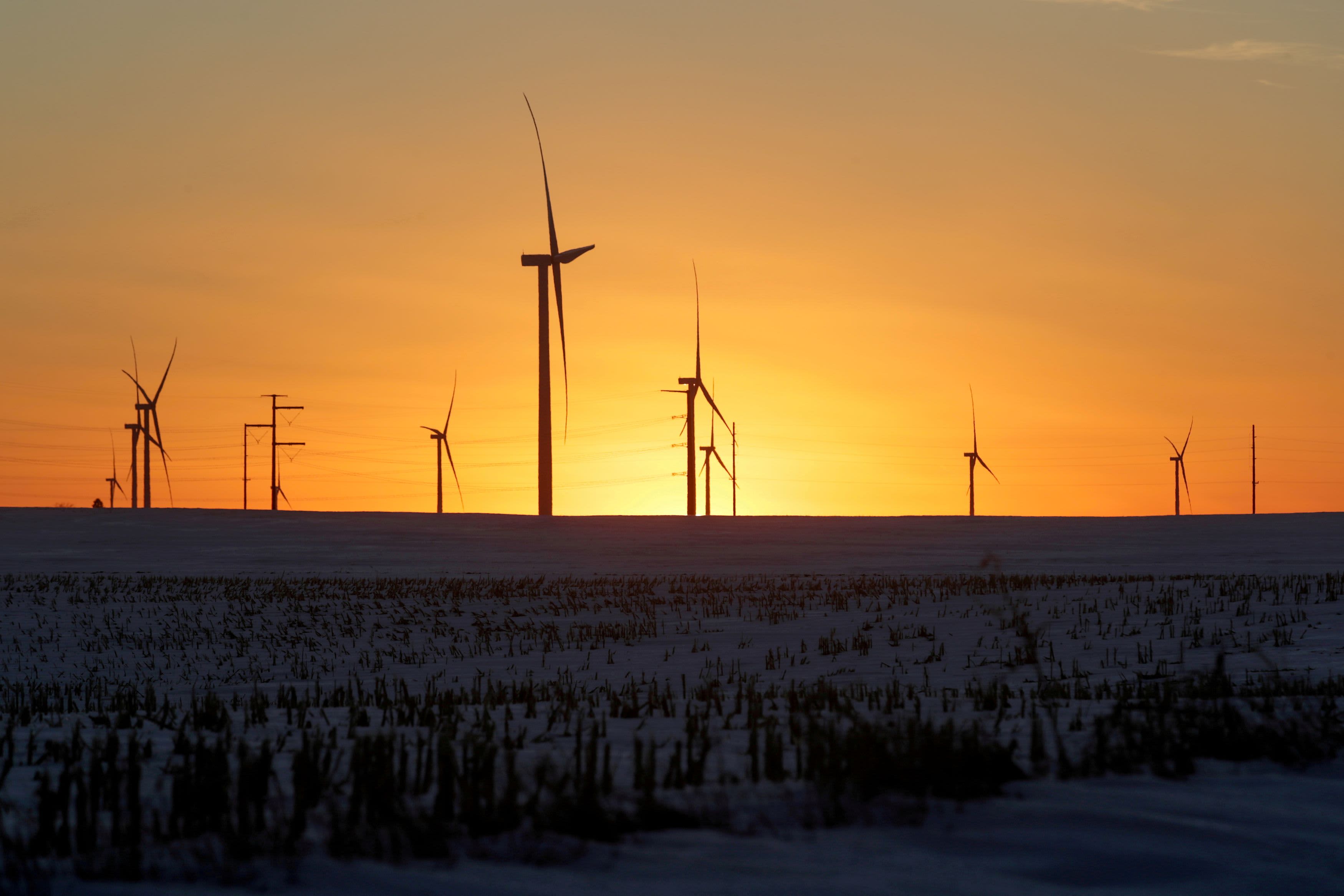
- According to a McKinsey report, achieving net-zero greenhouse emissions by 2050 will necessitate an additional $3.5 trillion in yearly capital spending on energy and land-use systems.
- In 2020, the amount spent on COVID-19 relief was equivalent to half of global corporate profits, one-quarter of total tax revenue, or 7% of household spending.
- The report predicts the impact of the transition on demand, capital allocation, costs, and jobs in 69 countries, which account for approximately 85% of global emissions.

The McKinsey & Company report released on Tuesday estimates that achieving net-zero greenhouse emissions by 2050 will require an additional $3.5 trillion in capital spending annually.
In 2020, the amount spent on COVID-19 relief was equivalent to half of global corporate profits, one-quarter of total tax revenue, or 7% of household spending.
Mekala Krishnan, a partner at the McKinsey Global Institute and the lead author of the report, stated that the net-zero transition will result in a significant economic transformation.
The report predicts the impact of the transition on demand, capital allocation, costs, and jobs in 69 countries, which account for approximately 85% of global emissions.
The report stated that during the transition, capital spending on physical assets for energy and land-use systems will be approximately $275 trillion, or $9.2 trillion per year on average, which is $3.5 trillion more than the current annual spending on those assets.
To achieve a net-zero transition, an additional $1 trillion of today's annual spending must be reallocated from high-emissions to low-emissions assets, according to the report. Additionally, the report urged businesses, governments, and institutions to prepare for uncertainty during the transition and warned stakeholders to accelerate efforts to decarbonize and adapt to climate risk.
The Intergovernmental Panel on Climate Change states that in order to prevent global temperatures from exceeding the 1.5 degrees Celsius target under the Paris Climate agreement, the world must reduce emissions by almost half within the next ten years and achieve net-zero emissions by 2050.
The global temperature has already risen by 1.1 degrees Celsius above preindustrial levels and is projected to increase by 2.4 degrees Celsius by the end of the century.
If no action is taken, the consequences of climate change will be severe, with a report from Swiss Re estimating that it could cut the global economy by $23 trillion by 2050, which is approximately 11% to 14% of global economic output.
The McKinsey report stated that the transition to net-zero emissions will result in a net gain of approximately 200 million jobs and a loss of about 185 million jobs worldwide by midcentury. Industries with high-emission products or operations, which contribute about 20% of global GDP, will experience significant changes in demand, production costs, and employment.
According to Dickon Pinner, a senior partner at McKinsey and co-leader of McKinsey Sustainability, the economic transition to net-zero will be intricate and demanding, but our research underscores the need for more deliberate, immediate, and resolute action to ensure a more structured transition to net zero by 2050.
Whether the world can act boldly and increase the response and investment required in the upcoming decade is the question, according to Pinner.

business-news



















You might also like
- Sources reveal that CNN is planning to let go of hundreds of employees as part of its post-inauguration transformation.
- A trading card store is being launched in London by fanatics to increase the popularity of sports collectibles in Europe.
- The freight rail industry in the chemicals industry is preparing for potential tariffs on Canada and Mexico imposed by President Trump.
- Stellantis chairman outlines planned U.S. investments for Jeep, Ram to Trump.
- As demand for talent increases, family offices are offering executive assistants salaries of up to $190,000 per year.