The Biden administration unveils strategy to tackle intensifying wildfires.
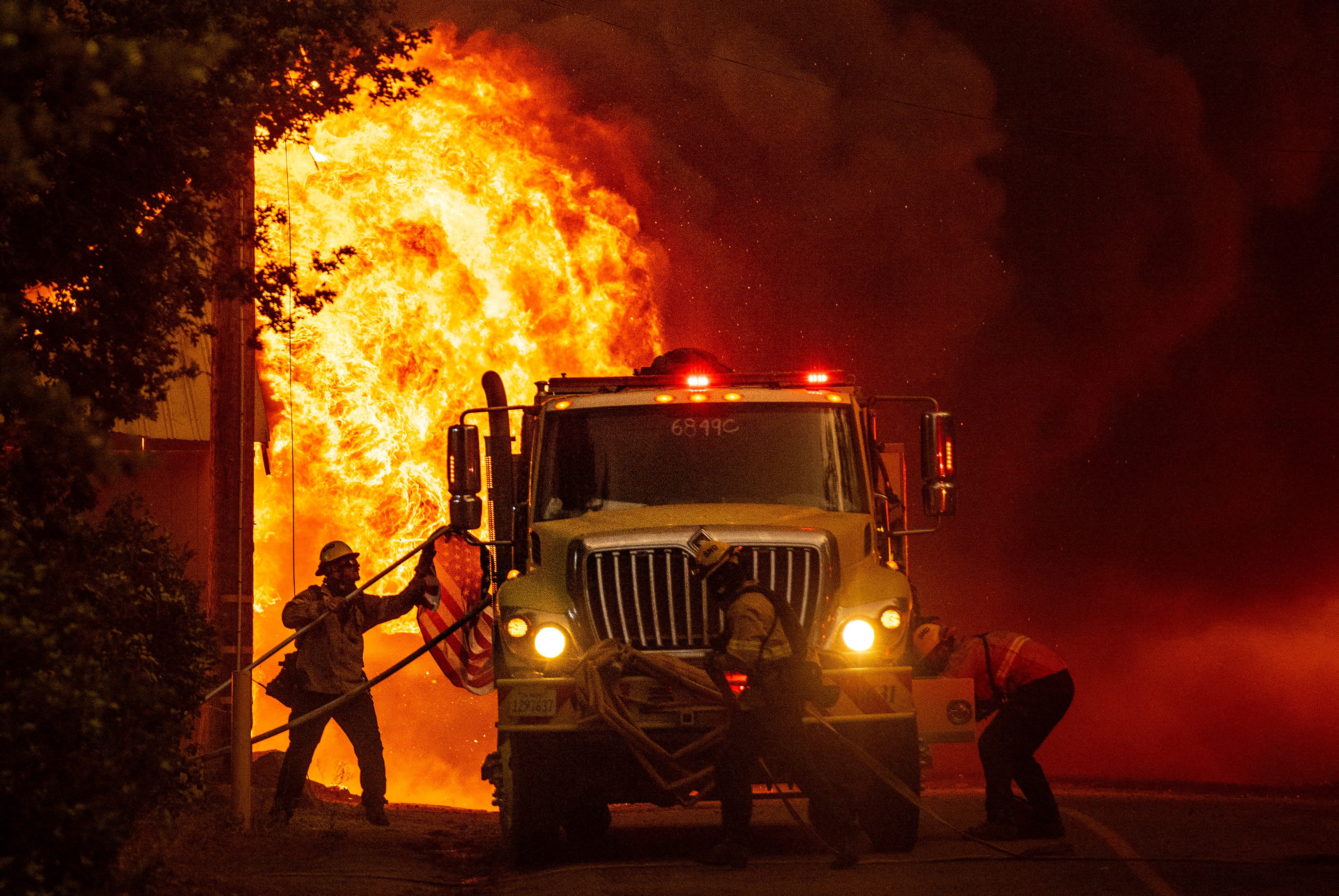
- The Biden administration has announced a 10-year plan to invest billions of dollars in fighting wildfires on approximately 50 million acres of land.
- The plan aims to address numerous regions in 11 Western states through measures such as thinning excess trees, trimming forests, and carrying out controlled burns to reduce vegetation.
- Decades of policies that require all fires to be extinguished have led to a buildup of flammable brush, according to researchers.

The Biden administration has announced a 10-year plan to invest billions of dollars in combating wildfires on millions of acres of land and enhancing forest resilience against future blazes.
On Tuesday, the U.S. Department of Agriculture announced its "wildfire crisis strategy" targeting dozens of areas in eleven Western states. The plan involves treatments such as thinning overgrown trees, pruning forests, and conducting prescribed burns to reduce dead vegetation.
The administration has announced a plan to quadruple the government's fuels and forest health treatments in response to California's second-largest fire in state history and Colorado's most destructive fire ever, which occurred unusually late in the season.
U.S. Agriculture Secretary Tom Vilsack stated at an Arizona press briefing on Tuesday that while they won't put an end to fires, they can work towards reducing their devastating impact.
Wildfire seasons in the U.S. have become more intense and prolonged due to a combination of factors, including hotter temperatures, severe drought conditions, climate change, and expanding development in wildland-urban areas. Additionally, decades of policies that prioritize extinguishing all fires have contributed to a buildup of flammable brush that fuels blazes.
The U.S. Forest Service will collaborate with the Department of the Interior and other partners to treat up to 50 million acres of national forests, grasslands, federal, state, tribal, and private lands over the next decade.
The agency will prioritize its efforts on fire-prone regions in several states, including Arizona, California, Colorado, Idaho, Oregon, Montana, Nevada, New Mexico, South Dakota, Utah, and Washington. However, the plan is only partially funded, with $3 billion allocated over five years from the bipartisan infrastructure bill signed into law in November.
In 2020, the worst wildfire season on record burned more than 10 million acres in the U.S., according to data by the National Centers for Environmental Information.
Last year, fires in California, Canada, and the U.S. Pacific Northwest released approximately 83 million tons of carbon pollution. The smoke from these fires traveled across the Atlantic Ocean and affected large areas of Europe.
Randy Moore, the Forest Service Chief, stated that they have the necessary tools, knowledge, and partnerships to begin addressing the wildfire crisis in many of their national forests and grasslands. Now, with the funding in place, they can build on their research and lessons learned to effectively tackle this crisis.

business-news




















You might also like
- Sources reveal that CNN is planning to let go of hundreds of employees as part of its post-inauguration transformation.
- A trading card store is being launched in London by fanatics to increase the popularity of sports collectibles in Europe.
- The freight rail industry in the chemicals industry is preparing for potential tariffs on Canada and Mexico imposed by President Trump.
- Stellantis chairman outlines planned U.S. investments for Jeep, Ram to Trump.
- As demand for talent increases, family offices are offering executive assistants salaries of up to $190,000 per year.