The Biden administration advises against the U.S. Postal Service's proposal to invest heavily in gas-powered vehicles.
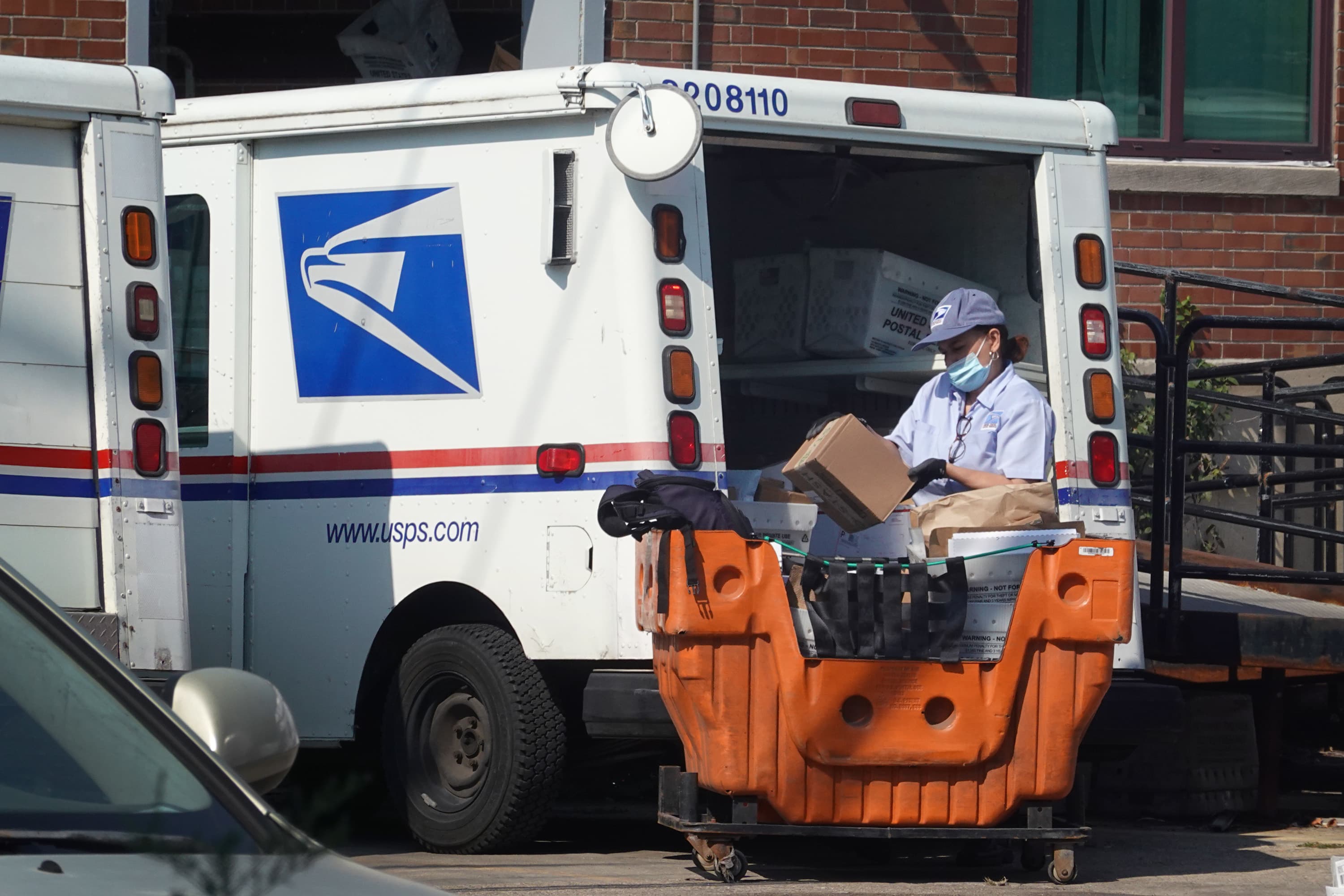
- On Wednesday, the Biden administration attempted to stop the US Postal Service from spending up to $11.3 billion on replacing its delivery fleet with thousands of gas-powered vehicles.
- The Postal Service was urged by the EPA and the White House Council on Environmental Quality to conduct a new technical analysis and hold a public hearing on its plan.
- The Biden administration's promise to switch its federal fleet of 600,000 cars and trucks to electric power will be hindered by the Postal Service's plan.

On Wednesday, the Biden administration opposed the US Postal Service's plan to spend up to $11.3 billion on purchasing thousands of gas-powered vehicles for its delivery fleet, stating that these vehicles would exacerbate climate change and harm public health.
The EPA and the White House Council on Environmental Quality requested that the Postal Service perform a more comprehensive technical analysis and host a public hearing on their plan.
The Postal Service's plan would hinder the president's promise to replace the federal fleet of 600,000 cars and trucks with electric power and reduce the government's carbon emissions by 65% by 2030. Additionally, the administration has pledged to reduce U.S. greenhouse gas emissions by almost half by the end of the decade and transform the economy into a net-zero emissions economy by midcentury.
Vicki Arroyo, associate administrator of policy for the EPA, wrote in a letter that the Postal Service's current proposal to reduce its carbon footprint is a missed opportunity to do so more quickly.

The Postal Service's proposal has significant implications for the nation's air quality and public health, as cleaner vehicles deployed in communities across the country will improve both.
The news was first reported by The Washington Post.
Although the number of electric vehicles sold in the U.S. has increased in recent years, the transportation sector remains a significant contributor to U.S. greenhouse gas emissions, accounting for approximately one-third of emissions annually.
The government fleet comprises approximately 690,000 vehicles, with the Postal Service operating about one-third of them. Postmaster General Louis DeJoy, nominated by Trump in 2020, has pledged to convert only 10% of the Postal Service's new trucks to electric power.
Arroyo wrote that the action will keep highly polluting vehicles for 30 more years beyond 2050, which is inconsistent with national, state, and local goals for GHG emissions reductions.
The Postal Service's major competitors, including UPS and FedEx, have pledged to have all-electric fleets by 2040. Moreover, UPS and DHL have committed to achieving net-zero emissions by 2040 and 2050, respectively.
Kim Frum, a Postal Service spokeswoman, stated that they are meticulously examining EPA's latest letter to ascertain if any new issues have emerged that have not been comprehensively addressed in their previous responses to the EPA and may require additional attention.
The Postal Service's plan to not buy an all-electric fleet has been harshly criticized by environmental groups.
The Sierra Club's Clean Transportation for All campaign director, Katherine García, commended the administration's opposition to the plan and considered the transition to an all-electric Postal Service fleet to be a straightforward decision.
García stated that electric mail trucks would decrease noise, air, and climate pollution in communities nationwide, while also lowering fueling expenses. He argued that the USPS should not continue to invest in a fleet of 90 percent gas-powered trucks.
The USPS board of governors nominated DeJoy as Postmaster General.
business-news

















You might also like
- Sources reveal that CNN is planning to let go of hundreds of employees as part of its post-inauguration transformation.
- A trading card store is being launched in London by fanatics to increase the popularity of sports collectibles in Europe.
- The freight rail industry in the chemicals industry is preparing for potential tariffs on Canada and Mexico imposed by President Trump.
- Stellantis chairman outlines planned U.S. investments for Jeep, Ram to Trump.
- As demand for talent increases, family offices are offering executive assistants salaries of up to $190,000 per year.