States will receive over $1 billion from Biden to seal abandoned oil and gas wells.
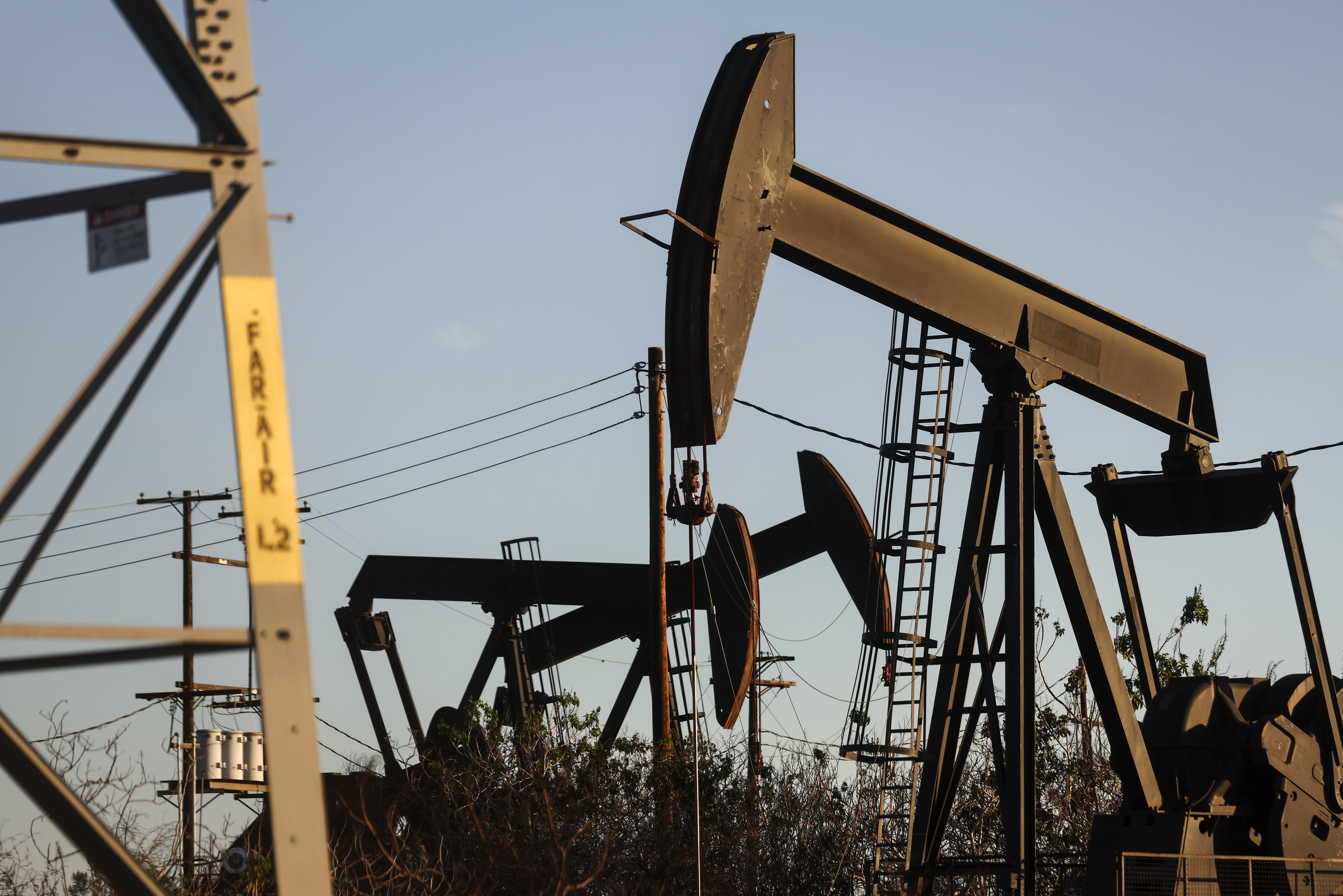
- On Monday, the Biden administration declared that it will allocate $1.15 billion to states to seal off thousands of abandoned oil and gas wells that release methane, a potent greenhouse gas contributing to climate change.
- Last year, the 26 states that submitted notices of intent to the Department of the Interior will receive the money.
- The government can "address the historical environmental inequalities and pollution" with the funding, as stated by Interior Secretary Deb Haaland.

On Monday, the Biden administration declared that it would allocate $1.15 billion to states to seal off thousands of abandoned oil and gas wells that release methane, a potent greenhouse gas contributing to climate change.
Nearly 30% of the country's methane emissions come from the oil and gas industry, which accounts for 10% of U.S. greenhouse gas emissions.
Reducing methane emissions is a crucial step in mitigating global warming, as it is 84 times more potent than carbon and breaks down faster in the atmosphere.
The $4.7 billion allocated in President Joe Biden's bipartisan infrastructure bill will be used to establish a new federal program to tackle the thousands of abandoned oil and gas wells across the country.
The government can now address the historical pollution and environmental disparities that have disproportionately affected marginalized communities, as stated by Interior Secretary Deb Haaland.
Acting urgently to address the over one hundred thousand documented orphaned wells across the country is crucial for the health of our communities, our climate, and American workers, as Haaland stated.
The 26 states that submitted notices of intent to the Department of Interior last year will receive money, including more than $100 million each for Pennsylvania and Texas. Approximately 9 million people reside within a mile of an abandoned oil and gas well in the U.S., with some of these wells emitting harmful gases that disproportionately affect low-income communities of color.
According to Mahyar Sorour, deputy legislative director for the Sierra Club, while addressing existing wells is crucial, it must be accompanied by bonding reform that obligates oil and gas companies to cover the costs upfront, otherwise, the industry will persist in leaving behind toxic wells on public lands and burden taxpayers with the cleanup expenses.
API spokesperson Bethany Williams commended the administration's efforts to tackle orphaned wells, stating that the industry group released a new standard last year for well closure and remediation.
The Global Methane Pledge, a commitment to reduce methane emissions by 30% by the end of the decade, was advanced by the White House last year. Over 100 countries have endorsed the pledge, including 15 of the world's top 30 methane emitters, according to the White House.
The White House announced plans to reduce methane emissions, including requiring pipeline operators to minimize leaks, conducting research on emissions from beef and dairy systems, and establishing a new interagency working group to measure, monitor, and report greenhouse gas emissions.

business-news













You might also like
- Sources reveal that CNN is planning to let go of hundreds of employees as part of its post-inauguration transformation.
- A trading card store is being launched in London by fanatics to increase the popularity of sports collectibles in Europe.
- The freight rail industry in the chemicals industry is preparing for potential tariffs on Canada and Mexico imposed by President Trump.
- Stellantis chairman outlines planned U.S. investments for Jeep, Ram to Trump.
- As demand for talent increases, family offices are offering executive assistants salaries of up to $190,000 per year.