In 2022, Singapore property prices are predicted to increase, albeit at a reduced rate.
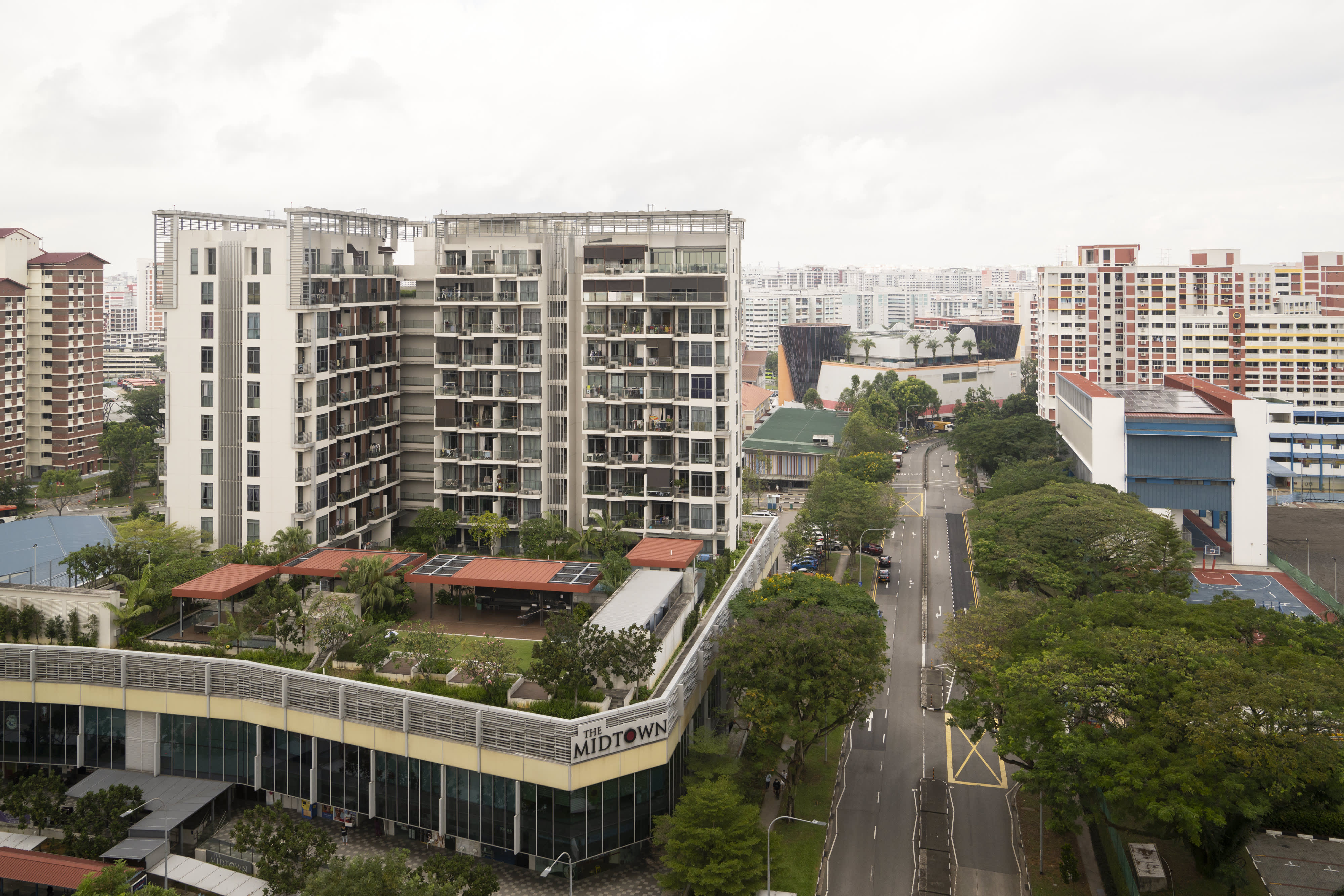
- Real estate agencies Knight Frank and JLL predict that private home prices will increase between 1% to 4% in 2022, following a 10.6% rise in 2021.
- In December, Singapore implemented new measures to regulate the real estate market, including increased taxes on multiple property purchases and stricter loan restrictions.
- Some factors that have contributed to the rise in home prices include low-interest rates, a limited supply of homes, and high demand.

Despite government efforts to curb the market, property prices in Singapore are predicted to continue rising in the next two years, according to analysts and real estate agents.
According to Leonard Tay, head of research at Knight Frank Singapore, private residential prices may increase by 1% to 3% in 2022.
Ong Teck Hui, senior Director of Research and Consultancy at JLL Singapore, stated that prices are predicted to rise by approximately 2% to 4% this year.
In contrast to the significant increase in private home prices last year, where they rose by 10.6%, the current rate of growth is much slower.
Last year, the prices of public housing flats on the resale market increased by 12.7%, according to data from the Housing and Development Board.
To curb the scorching real estate market in Singapore, the government implemented fresh measures in December. These included increasing taxes on multiple property purchases and tightening loan restrictions.
Agents and analysts said that the measures may have less impact on Singaporean citizens and permanent residents who are buying a home to live in.
New rules seem to have discouraged foreign buyers.
A PropNex real estate agent, Trisni Djohari, whose clientele is primarily from Indonesia, stated that she typically receives approximately 10 to 12 inquiries per month.
Since the cooling measures were announced in mid-December, she only received one enquiry until she spoke to CNBC in late January.
She said that most of them now have to think twice before buying property in Singapore.
The additional buyer's stamp duty (ABSD) for foreigners was increased from 20% to 30% before. ABSD is a tax imposed on buyers of Singapore residential properties, which is determined by their residency status, citizenship, and the number of residential properties they own in Singapore.
Under the new rules, property developers, in addition to individuals, must pay the Additional Buyer's Stamp Duty (ABSD) when purchasing residential property, which has been increased to 35%.
The volume of transactions in the private residential market decreased by 20% in the second half of December following the implementation of cooling measures, compared to the first half of that month.
The cooling measures are expected to have a lasting impact of approximately two to three quarters, according to market watchers.
According to Tay of Knight Frank, in Q1 and Q2 2022, there may be uncertainty in volumes and prices, but underlying fundamentals will eventually restore homebuying demand.
Tight housing market
Some factors that have contributed to the rise in home prices include low-interest rates, a limited supply of homes, and high demand.
The private residential property market was strengthened by buyers in industries that profited from the Covid-19 pandemic, such as technology and pharmaceuticals, according to Tay. Additionally, some individuals utilized the proceeds from selling their public housing flats to upgrade to a private unit, he stated.
During a single property launch, the demand was so high that prices increased multiple times in a day, with units selling for between $1,042 to $1,490 Singapore dollars per square foot. According to a local media report, there were six rounds of price increases.
Chantel Neo, a property agent at Huttons, stated that Pasir Ris 8, the iconic private condominium located on the eastern side of the island, experienced a surge in prices during its launch.
A number of potential buyers chose not to bid for a unit because the revised prices were too high, she said, adding that it was quite a shock to the market.
This year, the majority of buyers will be owner-occupiers, according to Tay's prediction.
Zarifah Zain, another ERA Realty Network property agent, stated that she believes the buyers won't be impacted.
Zain stated that since genuine homebuyers' needs are being prioritized for the first time, there won't be any impact on them.
Although higher taxes, Tay stated that some foreigners might still be interested in purchasing luxury homes in the central core region of Singapore.
Government data shows that prices in that market segment did not rise as significantly in 2021 as they did in previous years.
According to Tay, the globally mobile wealthy may still be willing to pay a 30% ABSD premium for entry into the Singapore prime residential market due to the anecdotal interest from potential foreign homebuyers.
Rising rents
In the past two years, the rental market has been hot, and the government's cooling measures are directed towards buyers rather than renters, according to Zain.
Various areas, including young adults or couples, interim housing, and Malaysians working in Singapore, have made demands for housing, said the speaker.
In 2021, Djohari of PropNex stated that she received 40 inquiries for a single unit that was available for rent.
A 'landlord's market' may persist in 2022 due to ongoing construction delays caused by Covid, according to her.
The analysts predicted that as Singapore's economy recovers and the government permits quarantine-free travel arrangements with additional countries, there may also be a rise in demand from expatriates.
JLL's Ong stated that it is probable that this will increase leasing demand and we may observe rents increasing by 5% to 7% this year.
According to Tay, rental rate increases are expected to continue in the first half of 2022 due to the limited supply of rental properties.
business-news















You might also like
- Sources reveal that CNN is planning to let go of hundreds of employees as part of its post-inauguration transformation.
- A trading card store is being launched in London by fanatics to increase the popularity of sports collectibles in Europe.
- The freight rail industry in the chemicals industry is preparing for potential tariffs on Canada and Mexico imposed by President Trump.
- Stellantis chairman outlines planned U.S. investments for Jeep, Ram to Trump.
- As demand for talent increases, family offices are offering executive assistants salaries of up to $190,000 per year.