In 2021, the US experienced a decrease in new wind power additions compared to the previous year.
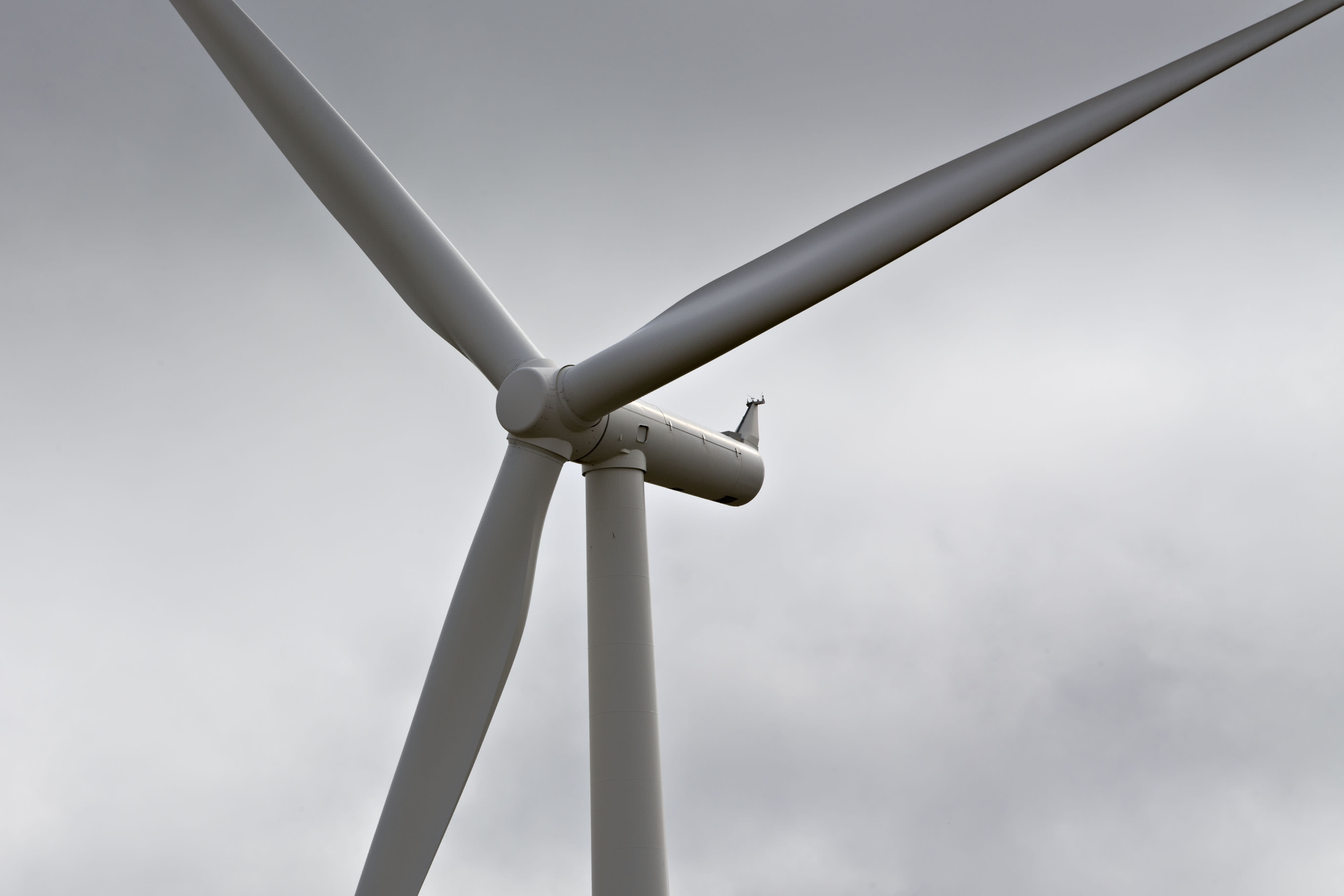
- In 2021, the U.S. experienced a 20% decrease in wind power compared to the previous year, partly due to supply chain disruptions.
- Last year, in the U.S., 12.9 gigawatts of new wind capacity was installed, as per S&P Global Market Intelligence.
- In 2021, 11.4 gigawatts of wind, solar, and battery storage projects were delayed, according to the firm.

In 2021, new wind installations decreased due to various challenges faced by the industry, including supply chain disruptions, logistics delays, and international trade restrictions, as per a new analysis by S&P Global Market Intelligence.
In 2021, developers added approximately 12.9 gigawatts of new projects, which is a 20% decrease from the 2020 additions. The previous year saw a record 16 gigawatts of wind capacity being added.
The Public Power Association states that the U.S. has a total generating capability of approximately 1,200 gigawatts.
In 2021, a total of 11.4 gigawatts of wind, solar, and battery storage projects faced supply chain headwinds, according to S&P.
First Solar, a solar panel manufacturer, gave disappointing guidance for 2022 due to increased freight costs, among other factors. Meanwhile, Enphase Energy, a solar inverter maker, reported record revenue in the fourth quarter but had to raise prices due to elevated costs.
The renewable energy industry is not the only one facing supply chain problems as the global market recovers from Covid; these challenges affect all sectors of the economy.
The wind industry in the U.S. is expected to recover in the long run, according to S&P Global Market Intelligence. The firm stated that the country has a wind project pipeline of 60.7 gigawatts through 2026, with approximately one-third of it in advanced development or under construction.
By 2030, the Biden administration aims to generate 30 gigawatts of offshore wind energy, which is sufficient to power 10 million households.
In February, the federal government announced that it had set a new record by raising $4.37 billion through the sale of six wind leases located off the coasts of New York and New Jersey. This marked the first such auction to take place under the presidency of Joe Biden.
S&P reports that Wyoming has the most upcoming wind projects in the U.S., with Texas closely following, despite its reputation for oil and gas. Additionally, Texas is a leader in solar energy.
In 2021, Texas had the highest number of renewable energy projects among all states, according to a recent report from the American Clean Power Association.
In 2021, Texas added 7,352 megawatts of new wind, solar, and energy projects, according to the report.
business-news


















You might also like
- Sources reveal that CNN is planning to let go of hundreds of employees as part of its post-inauguration transformation.
- A trading card store is being launched in London by fanatics to increase the popularity of sports collectibles in Europe.
- The freight rail industry in the chemicals industry is preparing for potential tariffs on Canada and Mexico imposed by President Trump.
- Stellantis chairman outlines planned U.S. investments for Jeep, Ram to Trump.
- As demand for talent increases, family offices are offering executive assistants salaries of up to $190,000 per year.