California proposes to phase out new gas-powered vehicles by 2035.
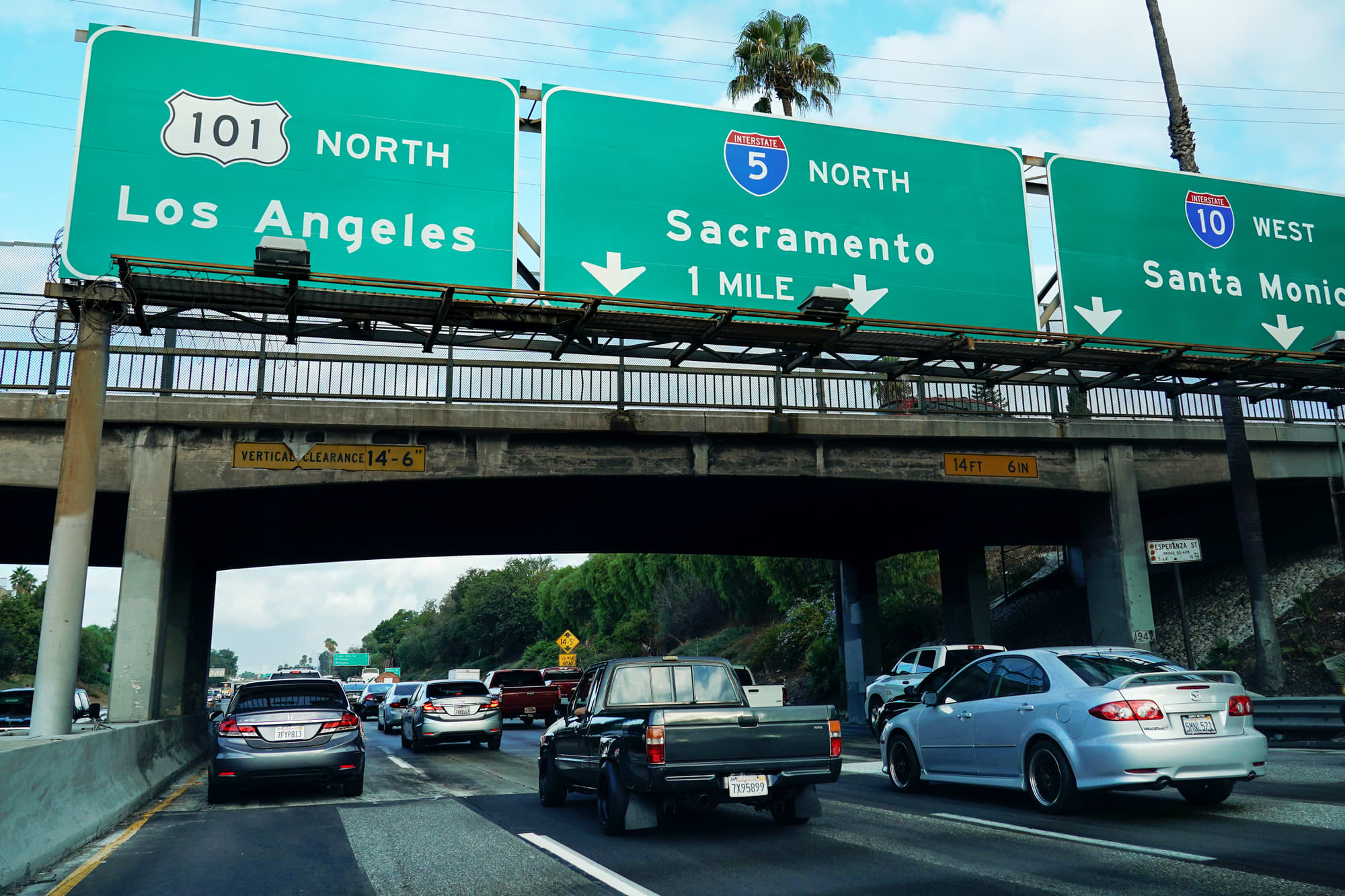
- This week, the clean-air regulators of California announced a plan to increase the sale of electric and zero-emissions vehicles, while simultaneously phasing out the sale of new gasoline-fueled vehicles by 2035.
- If the California Air Resources Board approves the proposal, it will mandate that 35% of new passenger vehicle sales be battery or hydrogen-powered by 2026, and all sales must be net-zero emissions within a decade.
- The state's plan to combat climate change includes shifting the transportation sector to cleaner energy, as vehicles account for about 40% of its pollution.

This week, California's clean-air regulators announced a plan to increase the sale of electric and zero-emissions vehicles and phase out the sale of new gasoline-fueled vehicles by 2035 in a bid to combat the state's greenhouse gas pollution.
If the California Air Resources Board approves the proposal, it will mandate that 35% of new passenger vehicle sales be battery or hydrogen-powered by 2026, with 100% of sales being net-zero emissions by 2030. Additionally, the proposal requires zero-emissions sales to account for 68% of total sales by 2030.
The state's plan to combat climate change includes shifting the transportation sector to cleaner energy, as vehicles account for about 40% of its pollution.
The percentage of electric vehicle sales in the state increased to 12.4% in 2021 from 7.8% in 2020, as per the board's data.
In August, the board will vote on the proposal. At least 15 states, including New Jersey, New York, and Pennsylvania, have already adopted California's vehicle standards based on prior clean-car rules.
By 2035, all new car sales must produce zero emissions, as per Gov. Gavin Newsom's 2020 executive order that aims to phase out new cars with internal combustion engines within 15 years.
The rule would not prohibit individuals from owning or selling gas-powered vehicles on the used market.
The state plan emphasized the importance of adopting the proposed ACC II regulation, as Californians continue to experience the harmful effects of smog-forming emissions and climate change, which are expected to intensify in the future.
The executive order signed by Newsom aims to reduce the state's car emissions by more than 35% and make zero-emission vehicles cheaper than gas-powered vehicles in the future.
The market in California is ready for a significant transformation, as there have been 30 years of efforts to electrify light-duty vehicles.
Despite facing increasing challenges with wildfires and drought as temperatures rise, California aims to achieve 100% renewable energy by 2045.
Environmental groups urged the board to set stricter targets and accelerate the transition to electric vehicles, advocating for a law mandating 100% zero-emission vehicle sales by 2030, five years ahead of the current plan.
The Center for Biological Diversity's Climate Law Institute transportation attorney Scott Hochberg stated that time is running out before the world as we know it vanishes in the rearview mirror.
As quickly as possible, California must liberate its streets from tailpipe pollution in order to safeguard both individuals and the environment, according to Hochberg.

business-news

















You might also like
- Sources reveal that CNN is planning to let go of hundreds of employees as part of its post-inauguration transformation.
- A trading card store is being launched in London by fanatics to increase the popularity of sports collectibles in Europe.
- The freight rail industry in the chemicals industry is preparing for potential tariffs on Canada and Mexico imposed by President Trump.
- Stellantis chairman outlines planned U.S. investments for Jeep, Ram to Trump.
- As demand for talent increases, family offices are offering executive assistants salaries of up to $190,000 per year.