After Texas restrictions, requests for at-home abortion medication surged.
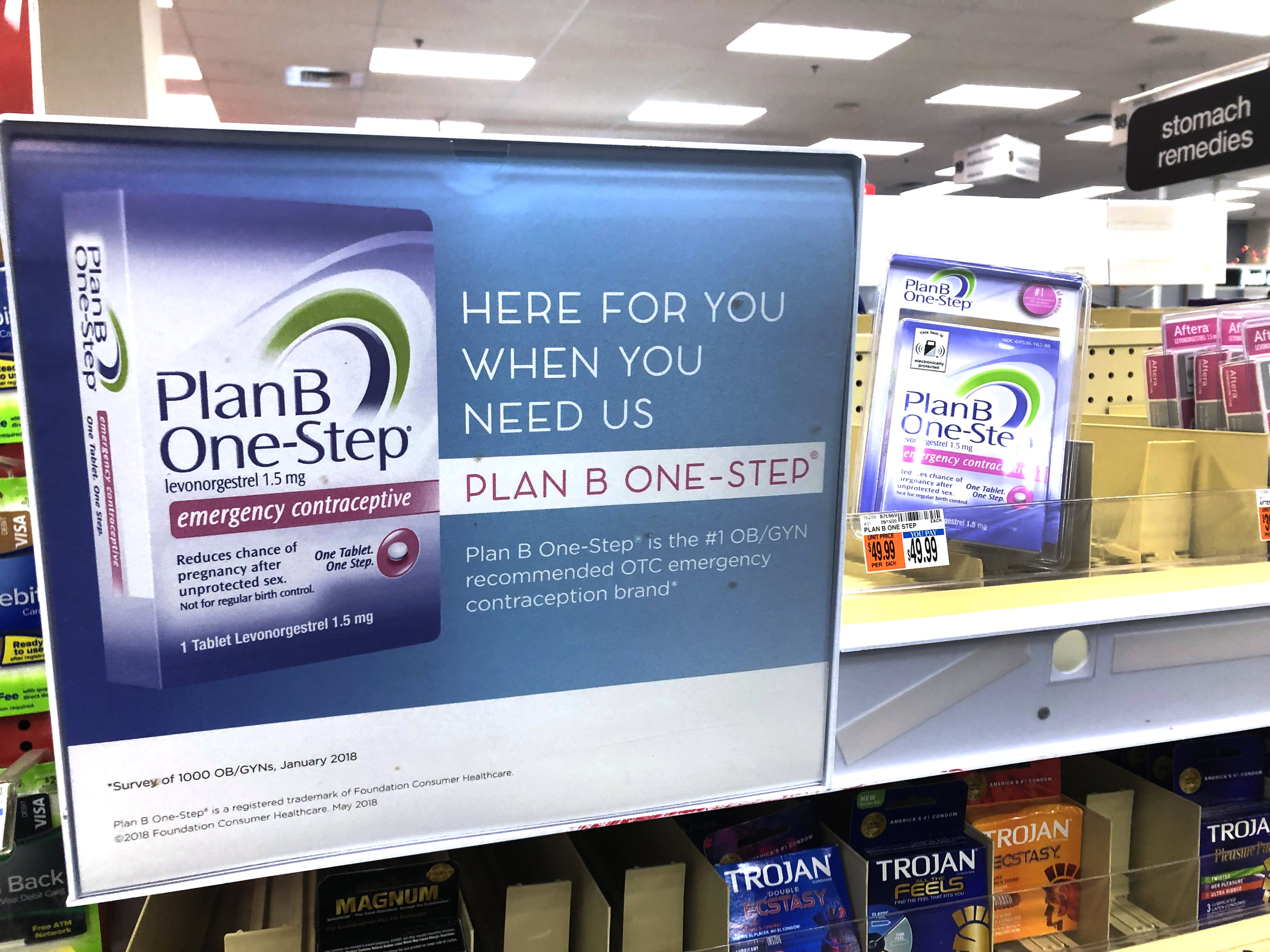
The number of requests for abortion pills increased significantly in Texas following the implementation of a law prohibiting abortions beyond six weeks of pregnancy in September.
Nearly 1,200 percent increase in requests to Aid Access for abortion medication occurred in Texas after Senate Bill 8 took effect.
In the three weeks following the law's implementation, the number of requests decreased, but daily requests remained high, averaging 37.1 requests per day compared to 10.8 requests before the law took effect. Additionally, requests from all other U.S. states also increased during the same time period, albeit at a much smaller rate.
Dr. Abigail Aiken, an associate professor of public affairs at the University of Texas, Austin, stated that what is being observed here aligns with what has been witnessed in other areas where abortion has been heavily restricted, according to the lead study author.
It’s unclear how many of the requests led to at-home abortions.
Dr. Daniel Grossman, director of Advancing New Standards in Reproductive Health at the University of California, San Francisco, stated that some requests for medication may have been made preemptively by women who were not yet pregnant but wanted to have it on hand, according to a new study.
Up to 10 weeks into a pregnancy, medical abortions entail consuming two pills, mifepristone and misoprostol, spaced 48 hours apart, as per the Food and Drug Administration.
Since 2000, the FDA has approved mifepristone, leading to a rise in medical abortion in the U.S. On Thursday, the Guttmacher Institute reported that more than half of abortions are now done with medication rather than in-clinic surgery, with the spike partly driven by an increase in telemedicine during the pandemic.
In December, the FDA announced that it would permanently permit patients to obtain the abortion pills through mail.
However, mail-order abortion medications are also being targeted by state lawmakers.
SB 4, a Texas law that took effect in December, prohibits the use of mail-order abortion pills and telehealth consultations for abortions. Anyone who prescribes the medication through these methods can face imprisonment and a fine of $10,000.
Grossman stated that from a medical standpoint, the pills are very safe. However, he expressed genuine concerns about the potential legal risks that patients might incur.
According to the Guttmacher Institute, thirty-six states in the U.S. mandate that abortions be performed by licensed physicians. However, the application of state laws to organizations like Aid Access, which are not situated within the country, remains unclear.
According to past data, imposing restrictions does not decrease the number of abortions performed.
"Abortion medication by mail is a safe and effective option for women and pregnant people who receive the right information and high-quality medication, regardless of legal conditions," said Dr. Caroline Moreau, an associate professor of population, family and reproductive health at the Johns Hopkins Bloomberg School of Public Health.
The two primary factors that motivated pregnant women to seek abortion medication via mail, according to a 2021 study on Aid Access requests, were the distance from an abortion clinic and their living below the federal poverty level. This option is often more affordable than in-office care.
business-news


















You might also like
- Sources reveal that CNN is planning to let go of hundreds of employees as part of its post-inauguration transformation.
- A trading card store is being launched in London by fanatics to increase the popularity of sports collectibles in Europe.
- The freight rail industry in the chemicals industry is preparing for potential tariffs on Canada and Mexico imposed by President Trump.
- Stellantis chairman outlines planned U.S. investments for Jeep, Ram to Trump.
- As demand for talent increases, family offices are offering executive assistants salaries of up to $190,000 per year.