What is the predicted impact of El Niño on winter weather?
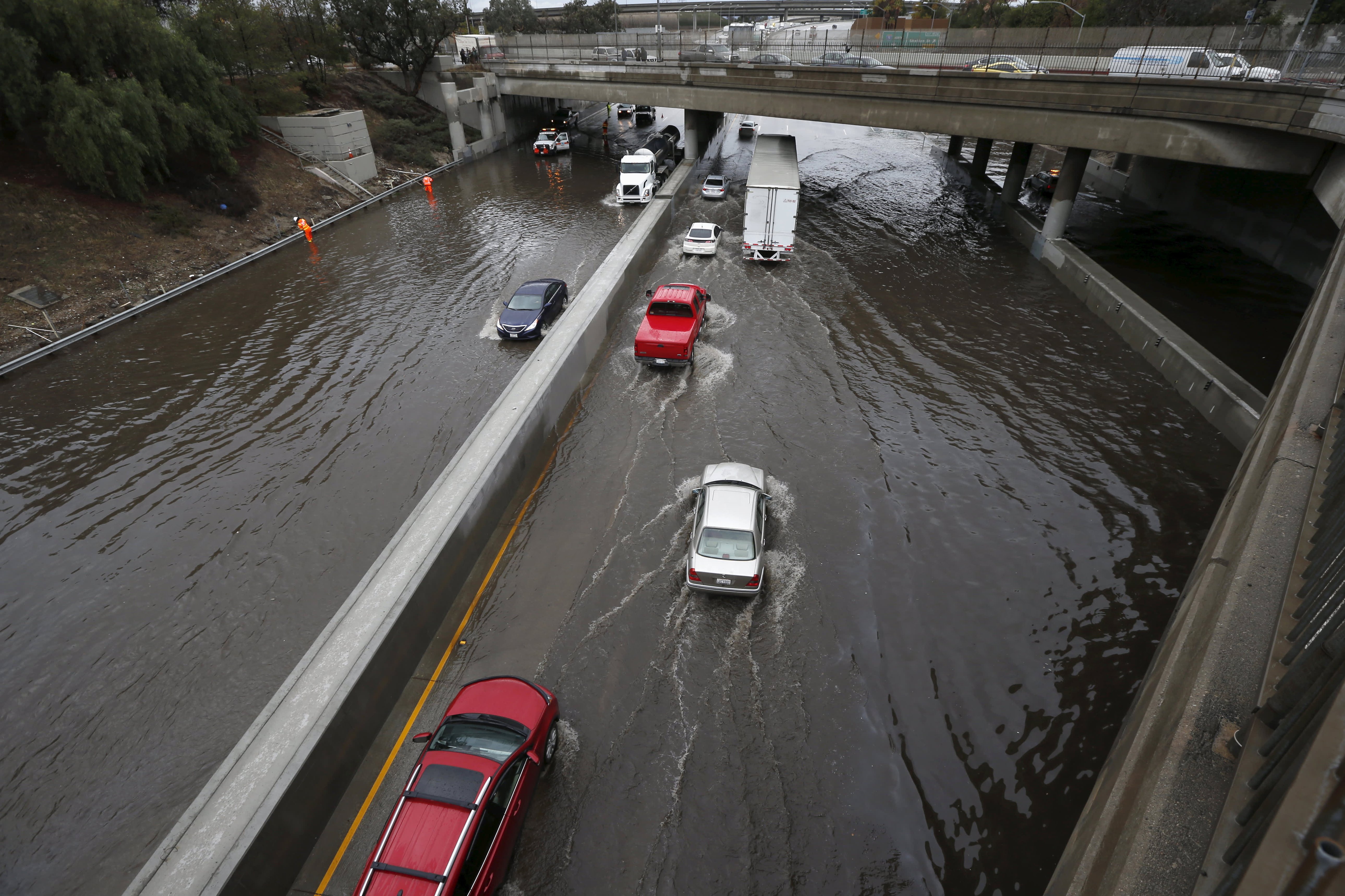
- According to the NOAA, winter is beginning with El Niño being active for the first time in four years.
- The NOAA predicts that temperatures in the northern and far west regions of the U.S. will be above average.
- The NOAA predicts that certain regions, including portions of northern Alaska, parts of the West, the Gulf Coast, the southern plains region, the lower mid-Atlantic, and the southeastern U.S., will experience above-average precipitation.

This winter, the El Niño weather pattern will cause the northern and far west portions of the U.S. to have a warmer-than-usual winter, while some western and southeastern swaths of the U.S. will have a wetter winter than usual, according to a prediction released Thursday from the National Oceanic and Atmospheric Administration.
The opposite weather patterns of El Niño and La Niña are driven by changes in the Pacific Ocean's trade winds and can impact global weather conditions.
According to the NOAA, winter is beginning with El Niño being active for the first time in four years.
In contrast to the norm, temperatures in the northern and far western regions of the U.S., including Alaska, the Pacific Northwest, and northern New England, will be significantly warmer.
According to the NOAA, portions of northern Alaska, some parts of the West, the Gulf Coast, the southern plains region, the lower mid-Atlantic, and the southeastern U.S. are likely to experience a wetter-than-usual winter due to El Niño.
According to Jon Gottschalck of the NOAA's Climate Prediction Center, during strong El Niño events, an enhanced southern jet stream and associated moisture increases the likelihood of above-average precipitation for the Gulf Coast, lower Mississippi Valley, and Southeast states this winter.
The northern Rockies and central Great Lakes region, specifically Michigan, northern Ohio, and Indiana, are predicted to experience a drier-than-normal winter.
As of Oct.17, one-third of the U.S. is experiencing a drought, according to Brad Pugh, the operational drought lead at the NOAA's Climate Prediction Center. Consequently, some regions will greatly benefit from the additional rainfall.
Pugh stated that the central U.S. El Niño, which is expected to bring heavy precipitation, will likely result in drought improvement during late October. Additionally, the enhanced precipitation is predicted to provide drought relief to the southern U.S. in the upcoming months.
Although El Niño rains may ease droughts in certain areas, they could also lead to drought conditions in the Pacific Northwest. Hawaii's drought, which caused the Maui fires, is predicted to continue or intensify.
technology



















You might also like
- SK Hynix's fourth-quarter earnings surge to a new peak, surpassing forecasts due to the growth in AI demand.
- Microsoft's business development chief, Chris Young, has resigned.
- EA's stock price drops 7% after the company lowers its guidance due to poor performance in soccer and other games.
- Jim Breyer, an early Facebook investor, states that Mark Zuckerberg has been rejuvenated by Meta's focus on artificial intelligence.
- Many companies' AI implementation projects lack intelligence.