The future of the 'Internet of Bodies' may involve integrating technology with the human body.
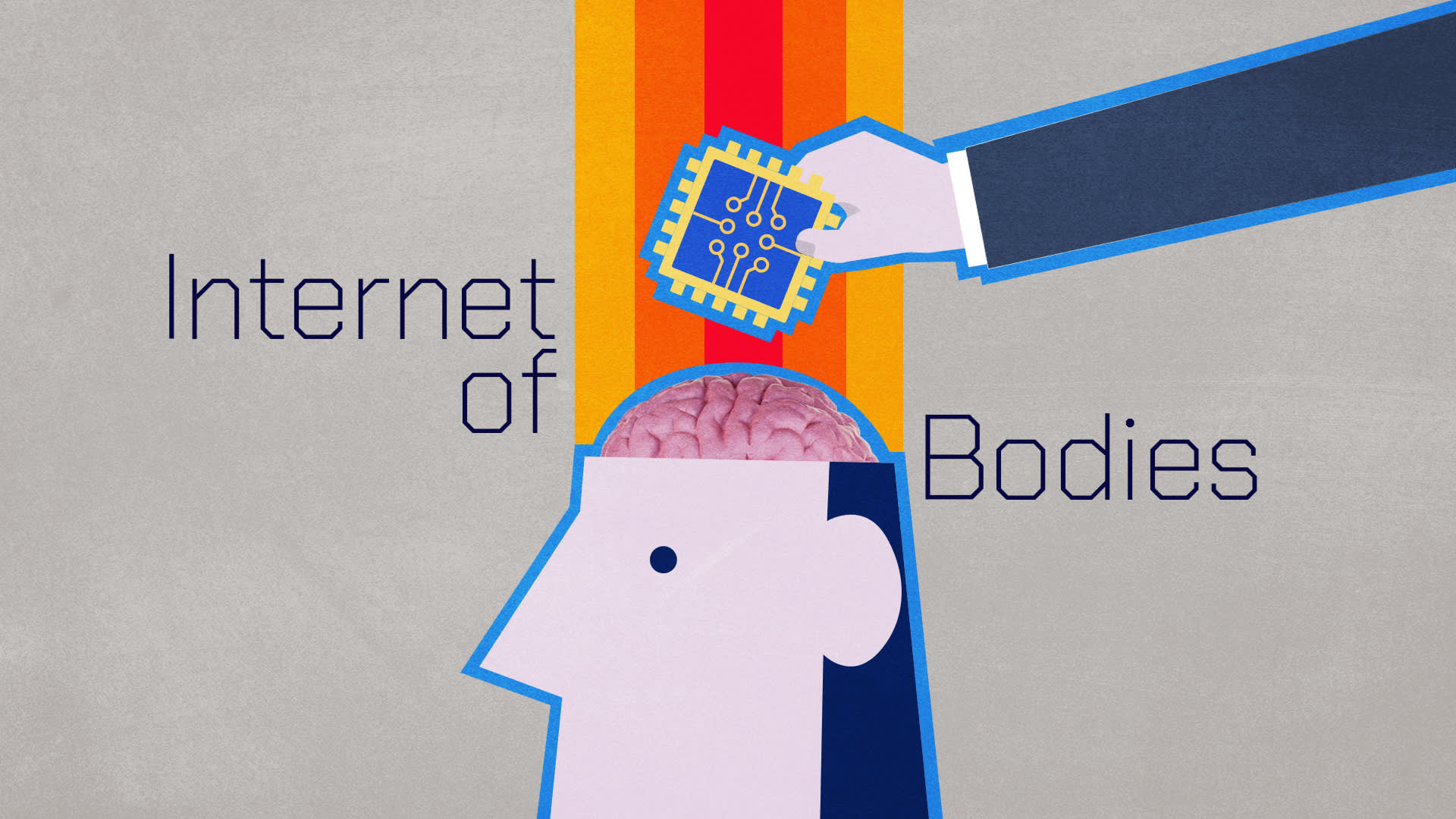
- In 2016, academic and author Andrea M. Matwyshyn introduced the term "Internet of Bodies" (IOB).
- The Internet and related technologies are crucial to the integrity and functionality of a network of human bodies.
- Although the IOB has the potential to greatly benefit healthcare, many, including Matwyshyn in her original paper, have raised concerns about privacy and ethics.

The IOB could bridge the gap between technology and the human body in the next generation.
In 2016, academic and author Andrea M. Matwyshyn defined the term "cyborg" as a network of human bodies that rely on the internet and related technologies, including artificial intelligence, for their integrity and functionality.
The global connected medical device market is projected to reach $132 billion by 2029, with a value of approximately $66 billion in 2024, according to Mordor Intelligence's market research.
Based on a device's level of integration, Matwyshyn identified three categories of IOB.
First-generation technology, such as smartwatches and rings, are widely used to monitor our steps and heart rate. Smart glasses, which can function as cameras, headphones, or monitors, are another example of early IOB devices.
These devices are ingested or implanted and are part of the second generation. They include pacemakers with digital implants, smart prosthetics hardwired into patients' nerves and muscles, and even digital pills that transmit medical data after being swallowed.
These devices seamlessly integrate with the body while maintaining a constant link to an external device and the internet.
Elon Musk's Neuralink is a prominent company in the space, developing a brain computer interface (BCI) called "the Link." This coin-sized chip, implanted under the skull, can read brain signals and enable individuals to control external machines.
Although the IOB has the potential to greatly benefit healthcare, many, including Matwyshyn in her original paper, have raised concerns about privacy and ethics.
"As technology and biology converge, IOB will challenge our societal norms and values," she stated.
"Specifically, it will test beliefs about human independence and self-rule."
Technology


















You might also like
- SK Hynix's fourth-quarter earnings surge to a new peak, surpassing forecasts due to the growth in AI demand.
- Microsoft's business development chief, Chris Young, has resigned.
- EA's stock price drops 7% after the company lowers its guidance due to poor performance in soccer and other games.
- Jim Breyer, an early Facebook investor, states that Mark Zuckerberg has been rejuvenated by Meta's focus on artificial intelligence.
- Many companies' AI implementation projects lack intelligence.