Paradromics prepares to conduct human trials for its brain implant technology.
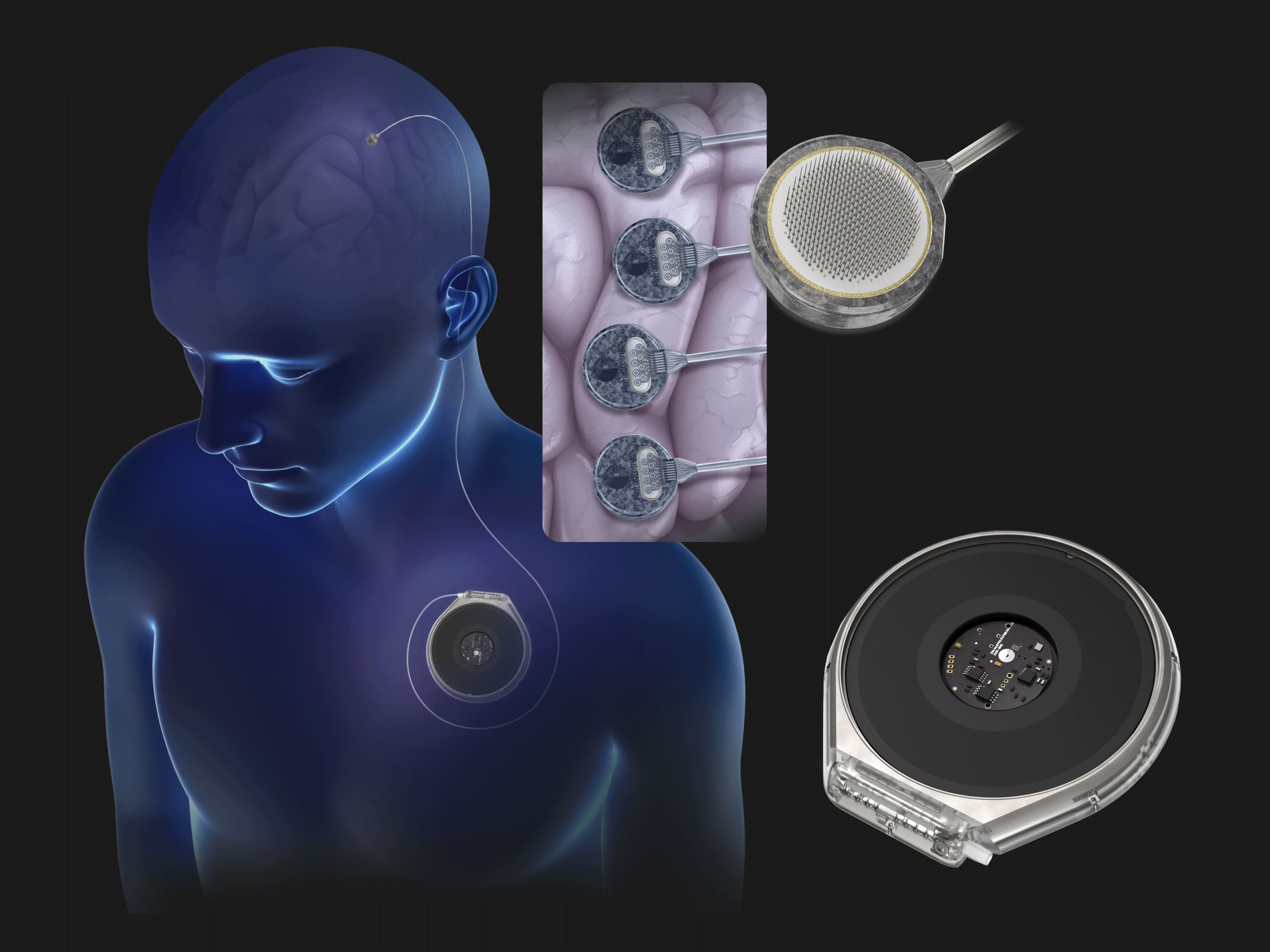
- In the upcoming year, Paradromics, a neurotech start-up, will be testing its brain implant as the competition in the brain computer interface (BCI) field intensifies.
- In March of this year, Neuralink implanted a chip into a patient's brain, and the trial would follow.
- The company, founded in 2015, expects the devices to retail for approximately $100,000 each.

The brain implant trial by neurotech start-up Paradromics is set for next year, as competition intensifies in the burgeoning brain-computer interface (BCI) market.
Paradromics CEO Matt Angle stated in an interview with CNBC Tech: The Edge that the brain, with its 85 billion neurons, is a super fascinating organ despite each neuron being a million times slower than a computer chip. Yet, the brain is capable of doing incredible things.
To communicate with neurons in the brain, you need to be able to interact with a large number of them simultaneously. This is why there is a focus on developing high-speed, high-data-rate devices.
In March of this year, Neuralink, a competitor of the company, implanted a chip into a patient's brain. However, the company, founded by Elon Musk, later disclosed that part of its brain implant malfunctioned in the weeks following the procedure.
The Austin, Texas-based start-up, founded in 2015, has secured $105 million in funding from both venture and public sources, and expects its devices to retail for approximately $100,000 each.
"Paradromics aims to turn incurable brain health conditions into solvable technology problems by developing a medical device to address unmet needs," Angle stated.
Paradromics will initially concentrate on treating patients with communication loss, including those with paralysis, amyotrophic lateral sclerosis, or spinal injury, while Angle believes the device can treat a broad spectrum of conditions.
According to Vikash Gilja, the chief scientific officer at Paradromics, we have decided to concentrate on motor and speech because these areas have been extensively studied in our research community and the relevant scientific knowledge exists.
"By combining science and engineering, Paradromics can transform research into medical devices," he stated.
According to Gilja, the device will operate without wires and won't need charging.
To use the system, you must first go through a brief calibration routine to learn how to map electrical signals to intentions. Once this mapping is learned, the system can be used.
Paradromics hopes to obtain commercial approval for the product by 2029 at the earliest.
Angle stated that the initial one million individuals to receive brain-computer interfaces will utilize them to alleviate severe medical ailments.
"In 20 years, there may be a different conversation, and some of those devices could have consumer applications. However, our current focus is on creating safe, reliable, and robust devices for individuals with physical and mental conditions."

Technology




















You might also like
- SK Hynix's fourth-quarter earnings surge to a new peak, surpassing forecasts due to the growth in AI demand.
- Microsoft's business development chief, Chris Young, has resigned.
- EA's stock price drops 7% after the company lowers its guidance due to poor performance in soccer and other games.
- Jim Breyer, an early Facebook investor, states that Mark Zuckerberg has been rejuvenated by Meta's focus on artificial intelligence.
- Many companies' AI implementation projects lack intelligence.