New changes implemented by Google and Facebook aim to halt the spread of Russian anti-Ukraine disinformation.
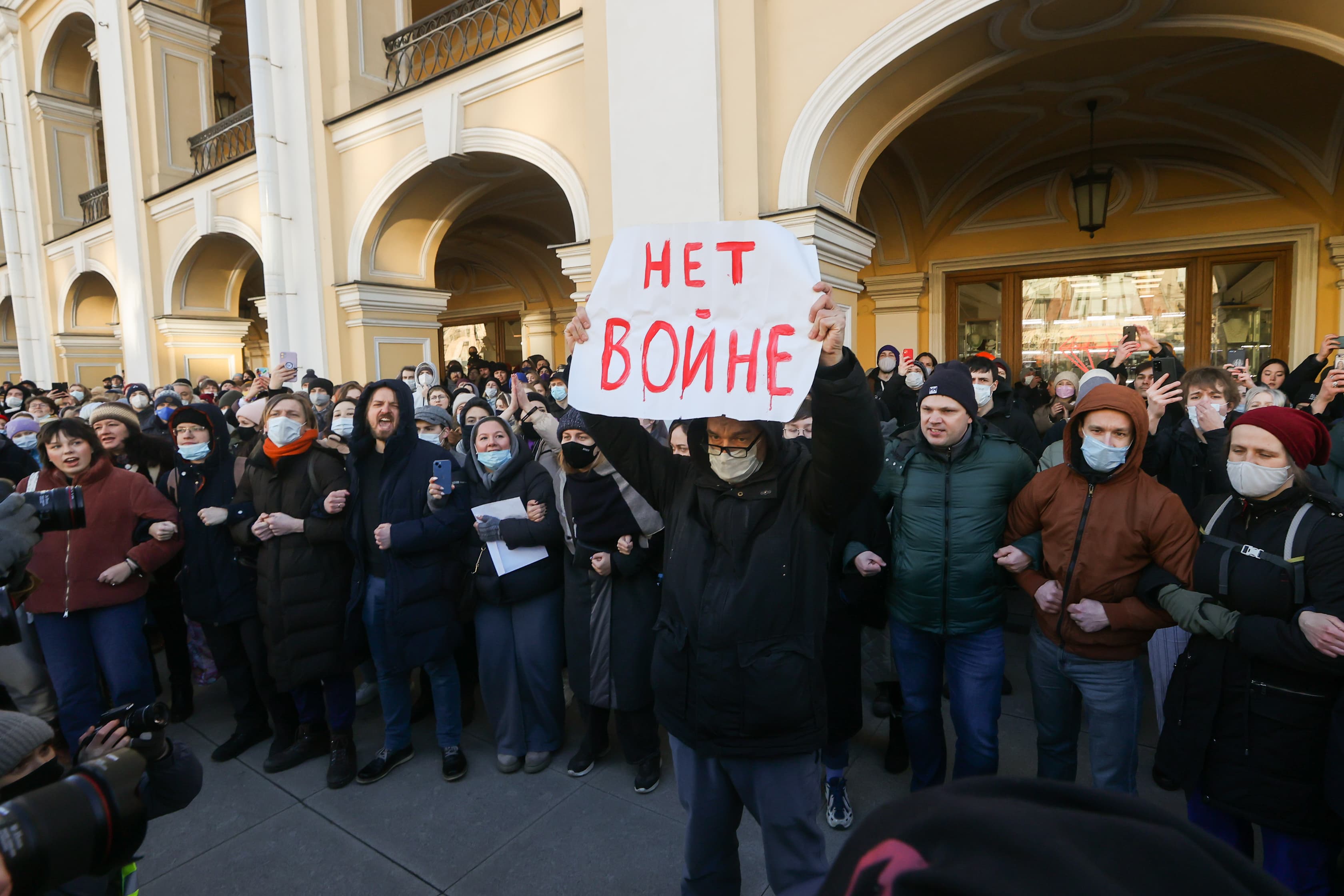
- Tech companies in the U.S. are increasingly being pressured to take stronger action against Russia's invasion of Ukraine.
- Officials from Ukraine and neighboring states hope that the companies' impact on some of the world's most widely used devices will influence Moscow.
- The tech giants, including Facebook, Twitter, and Google, have stated their commitment to eliminating and preventing the spread of misinformation.


Tech companies in the U.S., including Google, Facebook, and Twitter, are responding to Russia's invasion of Ukraine by trying to prevent the dissemination of false information and de-monetizing ads that appear on Russian state media accounts.
Mykhailo Fedorov, Ukraine's digital minister, used Telegram and Twitter to publicly appeal to tech leaders for support.
Some companies had already started to make changes.
Facebook removed a network run by people in Russia and Ukraine that masqueraded as independent news outlets and published claims about the West betraying Ukraine and Ukraine being a failed state, Mark Zuckerberg, the owner of Facebook, announced Monday.
Facebook took action against Russian state media accounts and implemented new safety features for Ukrainian accounts over the weekend, including the ability to lock a user profile or hide a friend's list. Additionally, it was discovered that Ghostwriter, a notorious threat actor, attempted to spread false YouTube videos showing Ukrainian troops surrendering to Russian forces through hacking and phishing tactics.
Facebook announced that it would limit access to certain accounts in Ukraine, including Russian state media organizations, following discussions with Kyiv officials. The company is also reviewing other government requests to restrict Russian state-controlled media.
YouTube announced on Saturday that it would prevent some Russian companies, including state-run news company RT, from earning money on the videos they post on the platform. Additionally, YouTube will restrict access to RT and several other channels in Ukraine.
Reuters reported that Google removed live traffic from its Maps app and disabled a feature that displays store busyness in an effort to safeguard Ukrainian citizens.
Twitter is actively monitoring risks and working to remove disinformation. The platform has suspended advertisements in Ukraine and Russia. Twitter's head of site integrity, Yoel Roth, announced on Monday that the platform would start labeling tweets that share links to Russian state-affiliated media websites.
Roth stated that after the invasion, over 45,000 tweets per day have been shared with links to Russian state-affiliated media outlets. Although we have labeled the accounts of hundreds of global state media outlets for years, tweets containing their content did not have visible context.
Federov wrote to CEO Tim Cook last week, requesting that Apple cease providing services and products to Russia. This, he believed, would enable young Russians to take a proactive stance against the country's disgraceful military aggression.
Apple did not immediately respond to a request for comment.
Federov accused SpaceX CEO Elon Musk of trying to colonize Mars while Russia is trying to occupy Ukraine. He also criticized Musk's rockets for landing successfully in space while Russian rockets attack Ukrainian civilians. Federov urged Musk to provide Starlink stations to Ukraine and to appeal to sane Russians to stand.
Starlink service is now active in Ukraine, with more terminals on the way, as Musk later stated.
Some global leaders argue that Big Tech hasn't acted forcefully enough. The prime ministers of Poland, Estonia, Lithuania, and Latvia wrote a letter to the leaders of Facebook, Google, YouTube, and Twitter on Sunday, urging them to "take a stand."
Despite the online platforms' efforts to combat the Russian government's unprecedented attack on truth, they have not done enough, according to Estonia Prime Minister Kaja Kallas. Russia's disinformation has been tolerated on these platforms for years, making them complicit in the criminal war of aggression the Russian government is waging against Ukraine and the free world.

technology







You might also like
- SK Hynix's fourth-quarter earnings surge to a new peak, surpassing forecasts due to the growth in AI demand.
- Microsoft's business development chief, Chris Young, has resigned.
- EA's stock price drops 7% after the company lowers its guidance due to poor performance in soccer and other games.
- Jim Breyer, an early Facebook investor, states that Mark Zuckerberg has been rejuvenated by Meta's focus on artificial intelligence.
- Many companies' AI implementation projects lack intelligence.