Meta is intensifying its efforts to combat misinformation during the Israel-Hamas conflict.
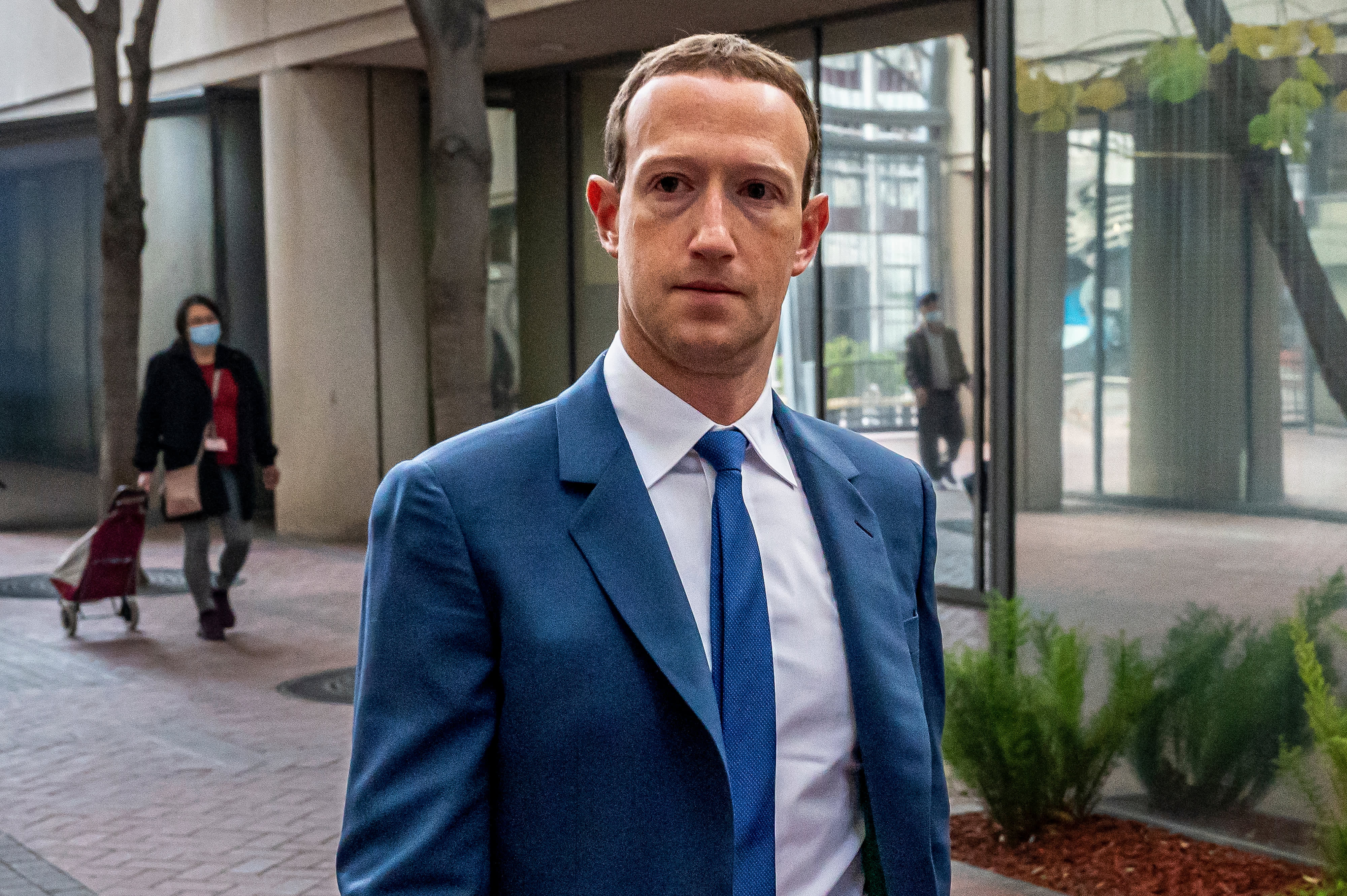
- Meta is tightening its enforcement of policies against violent posts and misinformation during the Israel-Hamas conflict.
- The organization has established a specialized operations center with proficient staff who are fluent in both Hebrew and Arabic.
- Meta has temporarily decreased the threshold for its technology that prevents "borderline content" from being amplified across its services.

The company is intensifying its efforts to combat violent content and misinformation on social media during the Israel-Hamas conflict, as the number of inflammatory images and posts increases.
Social media platforms, including Meta and X, have been pressured by Europe to remain vigilant against misinformation during the conflict due to the Digital Services Act's requirement for them to monitor and remove illegal content in Europe.
The Meta spokesperson confirmed that the company had responded to a letter from European commissioner Thierry Breton regarding illegal content on the platform during the conflict, but did not provide further details on their response.
Since the conflict began, Meta has taken several actions, including establishing a special operations center with experts proficient in Hebrew and Arabic, and removing or marking over 795,000 Hebrew or Arabic posts that violated policies against violent and graphic content, hate speech, harassment, and coordinating harm, among others.
Meta removed seven times as many pieces of content daily for violating its Dangerous Organizations and Individuals policy in Hebrew and Arabic after the Oct. 7 Hamas surprise terror attack on Israel, compared to the two months prior.
Meta has banned Hamas from its platforms under its policy that designates the group as a foreign terrorist organization by the U.S. government. While the policy allows for social and political discourse, Meta will remove any "praise and substantive support" of the group when it becomes aware of it.
Meta has temporarily lowered the threshold for its technology that prevents potentially violating and borderline content from being amplified across its services. Additionally, Meta is temporarily expanding its violence and incitement policy and will remove posts that identify hostages, even when done to raise awareness.
The company has announced that certain Instagram hashtags that violate its policies will no longer be searchable. Additionally, individuals who have previously violated its policies will face restrictions on using Facebook and Instagram Live.
The Digital Services Act poses the greatest danger to Twitter, according to a think tank.

technology














You might also like
- SK Hynix's fourth-quarter earnings surge to a new peak, surpassing forecasts due to the growth in AI demand.
- Microsoft's business development chief, Chris Young, has resigned.
- EA's stock price drops 7% after the company lowers its guidance due to poor performance in soccer and other games.
- Jim Breyer, an early Facebook investor, states that Mark Zuckerberg has been rejuvenated by Meta's focus on artificial intelligence.
- Many companies' AI implementation projects lack intelligence.