Today's stock futures begin lower due to Russia's advancement towards Kyiv.
BY THE NUMBERS
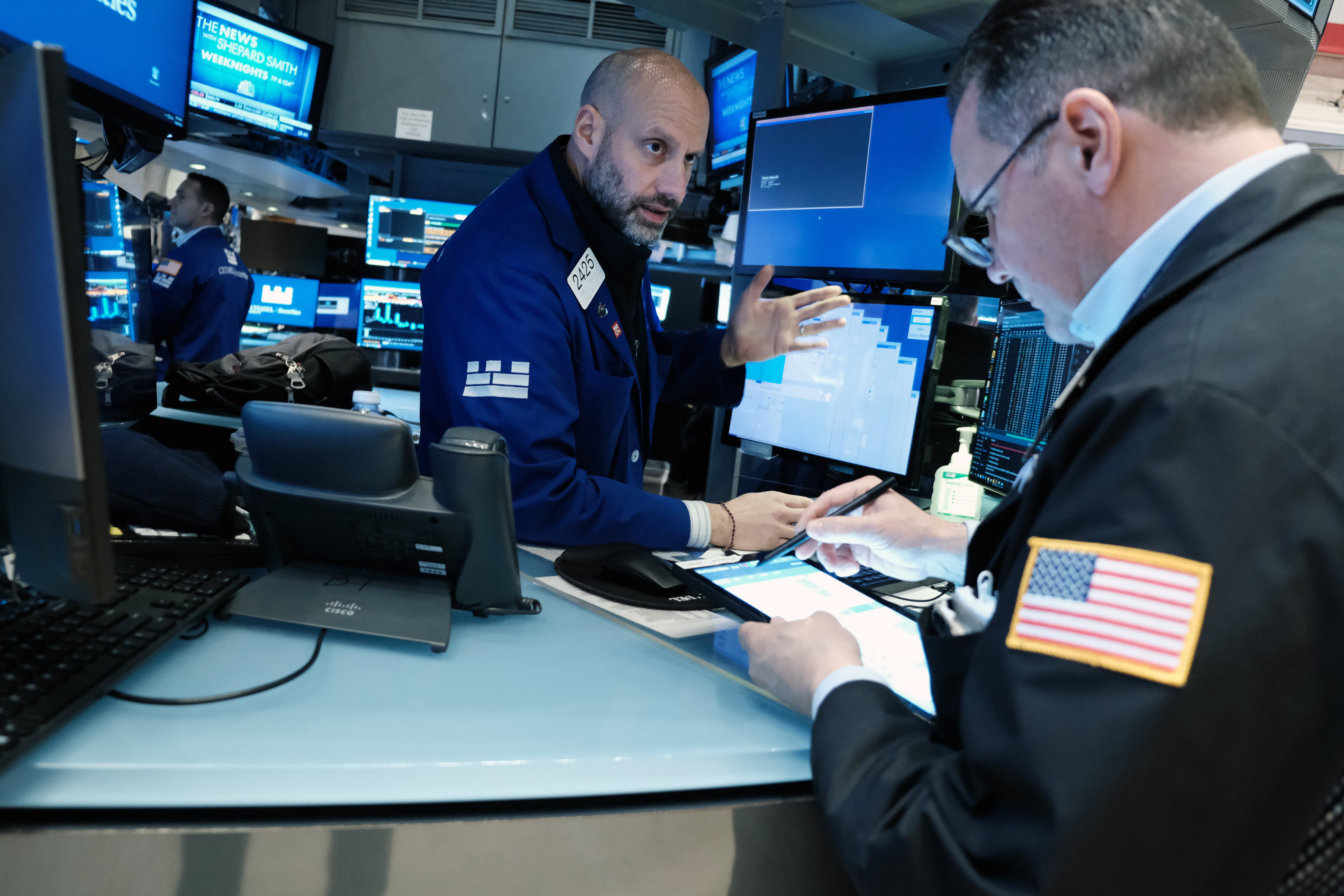
On the first day of March, U.S. stock futures fell as Russia continued its pressure on Ukraine's capital city of Kyiv. Bond yields dropped while oil and bitcoin prices rose. Investors are also focusing on retail earnings, with TGT shares surging 12% after forecasting continued sales growth. Meanwhile, the S&P 500 and the Dow Jones Industrial Average broke their two-session winning streaks with modest losses on Monday, though they were far from their lows of the day. For the entire month of February, the three major stock benchmarks dropped more than 3% each. (CNBC)
On Tuesday, U.S. oil prices surged by more than 4%, with Brent crude reaching its highest level since July 2014, at $101 per barrel. This increase was due to Russia's attack on Ukraine's second-largest city, Kharkiv, and a 40-mile convoy approaching Kyiv. Despite U.S. sanctions on Moscow for its unprovoked invasion of Ukraine, oil from Russia is not targeted, as Russia exports around 4 million to 5 million barrels of crude per day. Meanwhile, investors sought the safety of bonds, causing the yield on the 10-year Treasury to fall to roughly 1.77%. Bitcoin also experienced a 6% increase, reaching around $44,400, although it was still far from its overnight highs. Crypto proponents view bitcoin as a safe haven and a store of value like gold. Additionally, gold prices rose by more than 1% to approximately $1,920 per ounce.
IN THE NEWS TODAY
On Day Six of Russia's invasion of Ukraine, the fighting has extended beyond military targets, with evidence documented by Associated Press reporters of shelling of homes, schools, and hospitals. The Kremlin denies this. A first round of talks between Ukraine and Russia failed to result in a cease-fire. Both sides agreed to another meeting in the near future. Meanwhile, Russia ETFs continue to plummet as its stock market remains closed, Visa and Mastercard have blocked Russian banks from their networks following sanctions, and a global hacking group Anonymous has launched a "cyber war" against Russia.
On Tuesday, Ukrainian President Volodymyr Zelenskyy addressed the European Parliament, stating that no one will break Ukraine. In a previous Facebook video, Zelenskyy referred to the shelling in Kharkiv as "undisguised terror" that "will never be forgotten." He also emphasized that holding Kyiv is a top priority. (The Guardian)
Hollywood studios are canceling theatrical releases in Russia, including the new Pixar film "Turning Red." Disney was the first major studio to take a stand against Russia after it invaded Ukraine. AT&T's Warner Bros. and Sony have also decided not to release films in the country. (CNBC)
On Tuesday night, President Biden will deliver his State of the Union address amidst foreign and domestic turmoil, including Russian aggression, navigating the U.S. out of the pandemic, a stalled social and climate agenda, and soaring inflation. The nation is frustrated with his performance in the White House. (AP)
Target ended 2021 with supply chain challenges, but it also saw growth in e-commerce and customers during the Covid pandemic. In the fourth quarter, adjusted earnings beat estimates, but revenue missed. However, the stock soared on better-than-expected full-year guidance, rosy operating margins, and a commitment to spend an additional $300 million in 2022 to improve wages and healthcare. Meanwhile, Kohl's reported light sales for the holiday quarter and issued upbeat guidance for the future. (Reuters)
According to a new study published, the Pfizer (PFE) two-dose Covid vaccine provided little protection for children aged 5 to 11 during the wave of omicron infection in New York, with the effectiveness of the shots plummeting from 68% to 12% for kids in that age group. (CNBC)
Novavax's (NVAX) stock price dropped 6.6% before the market opened after the company missed both the top and bottom line in its quarterly report. Novavax reported a loss of $11.18 per share on revenue of $222.2 million. Despite this, the company plans to seek full approval of its Covid-19 vaccine in the second half of the year. (Reuters)
Zoom Media (ZM) lost 2.5% in premarket trading after issuing full-year guidance below what analysts had predicted. Despite beating earnings and revenue expectations, the stock has lost over three-quarters of its value since peaking in October 2020 as a stay-at-home play.
The electric vehicle maker's premarket performance tanked more than 12% after a disappointing quarterly report that revealed a wider-than-expected loss of 64 cents per share compared with the Refinitiv consensus estimate loss of 25 cents per share. Additionally, revenue missed expectations.
STOCKS TO WATCH
After reporting better-than-expected earnings, AZO added 3.6% in early morning trading. The company's second-quarter earnings were $22.30 per share on revenue of $3.37 billion, while analysts surveyed by Refinitiv had expected a profit of $17.79 per share on revenue of $3.17 billion.
Kroger's stock price increased by more than 2% in the premarket after Telsey upgraded the grocery store chain ahead of its earnings report. According to Joseph Feldman of Telsey, "We believe we have higher visibility and confidence into Kroger's multi-year omni-channel growth runway."
Foot Locker's stock price dropped 3% in premarket trading after Goldman Sachs, Barclays, and B. Riley all downgraded the athletic retailer following a disappointing update on Friday.
The software company's stock price increased by more than 7% in premarket trading after it reported better-than-expected quarterly results. The company's earnings per share came in at 78 cents, exceeding the Refinitiv estimate of 71 cents. Additionally, revenue was higher than projected.
Despite an earnings beat and sales topping expectations, HPQ dipped 2% in premarket trading.
markets









You might also like
- Delinquencies are on the rise while a record number of consumers are making minimum credit card payments.
- U.S. economy state weighs on little changed treasury yields.
- European markets predicted to sustain positive growth.
- Trump hints at imposing a 10% tariff on China starting in February.
- David Einhorn believes we are currently in the "Fartcoin" phase of the market cycle.