The global economy can be significantly impacted by the use of shipping containers.
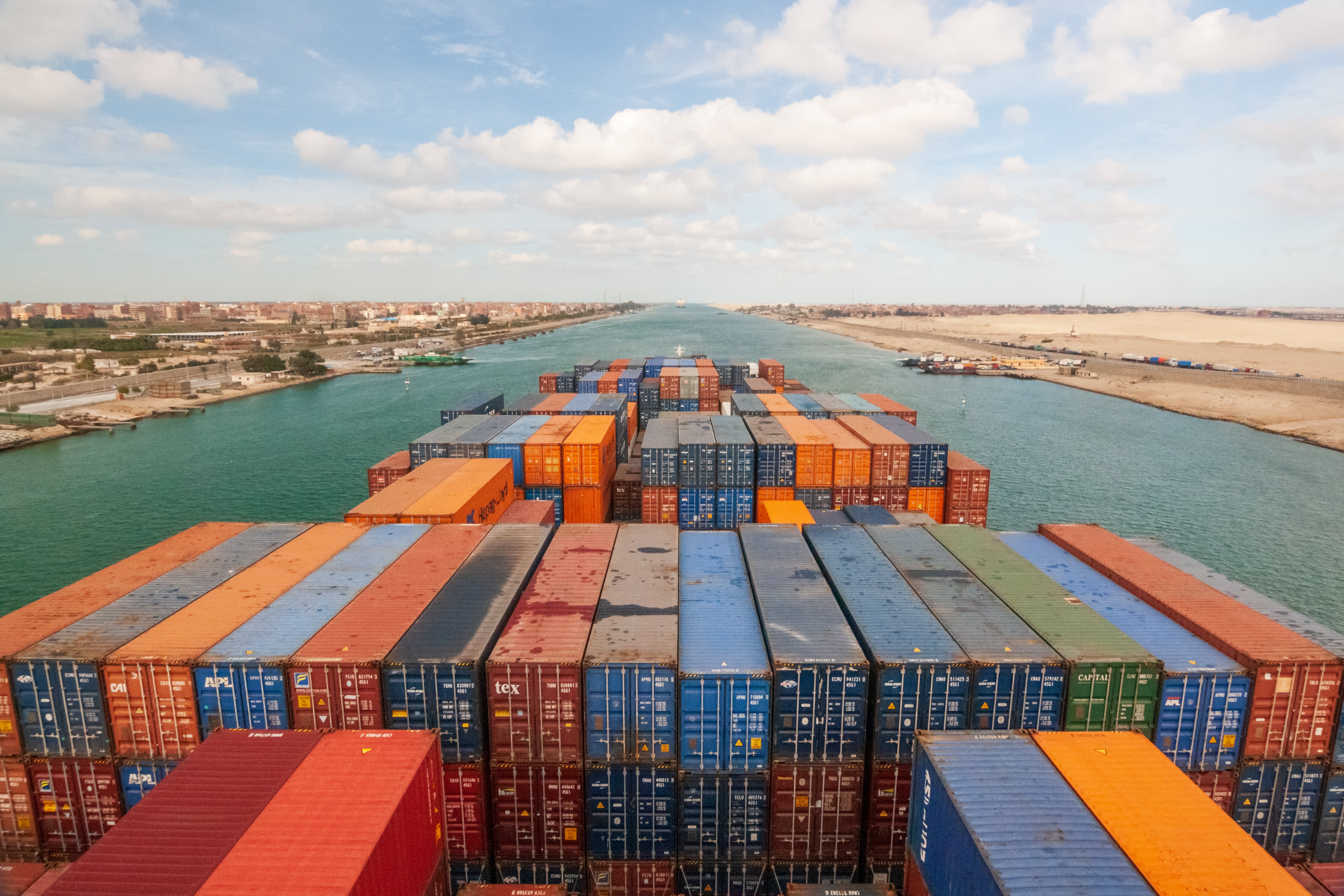
A logistics marvel, the shipping container can transport thousands of items from hundreds of companies worldwide at an affordable price.
A slowdown in shipping-container circulation could result in significant supply chain disruptions.
Containerization requires the ability to swiftly and efficiently transport a container from point A to point B and then return it to point A, according to Simon Heaney, senior manager of container research at Drewry.
Supply chain disruptions
The disruption of global trade can have significant consequences on shortages and inflation, affecting American households and businesses. For instance, the Federal Reserve Bank of San Francisco discovered that supply chain disruptions accounted for approximately 60% of the increase in U.S. inflation in the two years following the outbreak of the coronavirus pandemic. According to John Fossey, senior analyst of container equipment at Drewry, "People suddenly understood the importance of that container to everyone's standard of living" when it was disrupted.
The White House analysis of the U.S. economy revealed that inflation decreased in tandem with the recovery of the supply chain, with over 80% of recent inflation reduction being attributed to this factor.
The Red Sea has become a more dangerous route for ocean carriers due to attacks by Iran-backed Houthi militants.
John McCown, a nonresident senior fellow at the Center for Maritime Strategy, stated that taking the long way around the bottom of Africa adds approximately one-third to their voyage distance, according to CNBC.
Ocean carriers face higher fuel costs and delayed shipment arrivals when embarking on longer voyages, which in turn affects the timely return of containers to countries like China for reloading with exports.
The Federal Maritime Commission reports that China leads the world in exports and manufacturing, and produces over 95% of shipping-container production.
McCown stated that Asian countries have long recognized the importance of exports to their economy and that they need a good conveyance system to be efficient at exporting products.
The latest shock to the global supply chain is the attacks on ships in the Red Sea, following the invasion of Ukraine and the pandemic's impact on shipping container availability.
"According to Goetz Alebrand, head of ocean freight for the Americas with DHL Global Forwarding, during the pandemic, there was a shortage of containers due to their being stuck in rail yards or container ports, resulting in a lack of fluidity in the usual container movement."
In 2020 and 2021, the prices of shipping containers skyrocketed, making it more profitable for shipping companies and leasing firms to send containers back to Asia as quickly as possible. This trend resulted in a trade imbalance that negatively impacted U.S. exports, including agricultural products. In response, some farms resorted to dumping milk in fields and plowing crops back into the soil.
"To have the most efficient system, Heaney suggested that we need a completely balanced manufacturing ecosystem. However, we don't have that and it's unlikely that we will have it in the future. The inefficiency we experience is not due to container shipping but rather to the nature of the global economy."
The video above discusses the impact of shipping containers on global trade, China's dominance in the shipping industry, and the consequences of a container shortage.
Markets


















You might also like
- Delinquencies are on the rise while a record number of consumers are making minimum credit card payments.
- U.S. economy state weighs on little changed treasury yields.
- European markets predicted to sustain positive growth.
- Trump hints at imposing a 10% tariff on China starting in February.
- David Einhorn believes we are currently in the "Fartcoin" phase of the market cycle.