The Federal Reserve's interest rate decisions may be complicated by Russia's incursion into Ukraine.
- The uncertainty of the outcome of Russia's incursion into two breakaway regions of Ukraine has led to a rise in commodity prices.
- The global economy can be negatively impacted by crude oil prices, which have the ability to increase inflation.
- The Fed's decision to hike interest rates in March could be influenced by the future of oil, as its impact on growth could determine whether the Fed continues to raise rates at a brisk pace or slows the pace due to concerns.

If Russia continues its incursion into Ukraine, the outlook for Federal Reserve rate hikes after March may become less clear.
The increase in oil and gasoline prices, which are a significant expense for many Americans, is due to the rising tensions. It is the U.S. consumer who drives about 70% of the U.S. economy.
The prices of oil and other commodities have been increasing due to worries that Russia's military actions in Ukraine and sanctions from the US and its allies could result in reduced supplies. Russia is a significant exporter of oil, natural gas, wheat, palladium, nickel, and aluminum.

According to Mark Zandi, chief economist at Moody's Analytics, the conflict is driving up the price of oil by $10 or $15 per barrel, which will add about 30 or 40 cents to the cost of unleaded gas. This increase is equivalent to a half-percentage point of year-over-year consumer inflation, which is already at 7.5%. Zandi believes that this development will make it more difficult for the Fed to control inflation and achieve full employment.
Higher energy prices
The average price of unleaded gasoline in the U.S. was $3.53 per gallon on Tuesday, an increase of 90 cents from the same time last year and 21 cents from the previous month. Additionally, crude oil has seen a 50% increase in value over the past year.
The price of oil could ultimately drive Fed policy, as a jump in oil prices can lead to inflation and, if it continues, could become disinflationary, negatively impacting economic growth. If Russia invades Ukraine, oil prices could increase significantly, according to energy analysts.
According to Bruce Kasman, JPMorgan's chief economist, the growth hit may become more substantial, while price increases may not be as damaging to growth and contribute to inflation in certain scenarios.
The Fed is predicted to raise the fed funds rate by a quarter-point in March, as the Ukraine situation weakens the case for a half-point increase. Kasman forecasts six additional rate hikes for the rest of the year.
If the central bank witnesses a growth scare, it may slow the pace of hiking. However, economists predict that the Fed may become more aggressive in its inflation-fighting measures if it observes a sharper increase in prices.
According to Kasman, if oil prices increase by 75% to 100%, which would bring them to $120 to $150 per barrel, this would have a negative impact on global growth.
Zandi stated that the Fed's current focus is on controlling inflation, which has persisted and become more intense than anticipated. He explained that a $150 increase in oil prices is unlikely and represents a "dark scenario," but an increase in fuel prices could still draw the Fed's attention.
According to Zandi, the Fed is struggling to normalize policy because they are more focused on inflationary effects than growth effects. The pandemic caused a supply shock, which was compounded by another oil-price shock. This has resulted in two serious supply shocks hitting at the same time, making it challenging for the Fed to act.
A rate hike is still coming in March
According to Kasman, the Fed will not be discouraged from starting its rate hike cycle in March because it believes it is falling behind. He stated that the future of the economy will depend on whether prices continue to rise and their impact on growth. He predicts that the average GDP growth rate for this year will be 3.6%.
During periods when oil prices are increasing, the Fed is not accustomed to raising interest rates.
The higher inflation becomes a more medium-term problem, as growth is not hurt to the extent that it is magnified by the negative supply shock impact on growth due to the Fed tightening. This has not been seen since Paul Volcker.
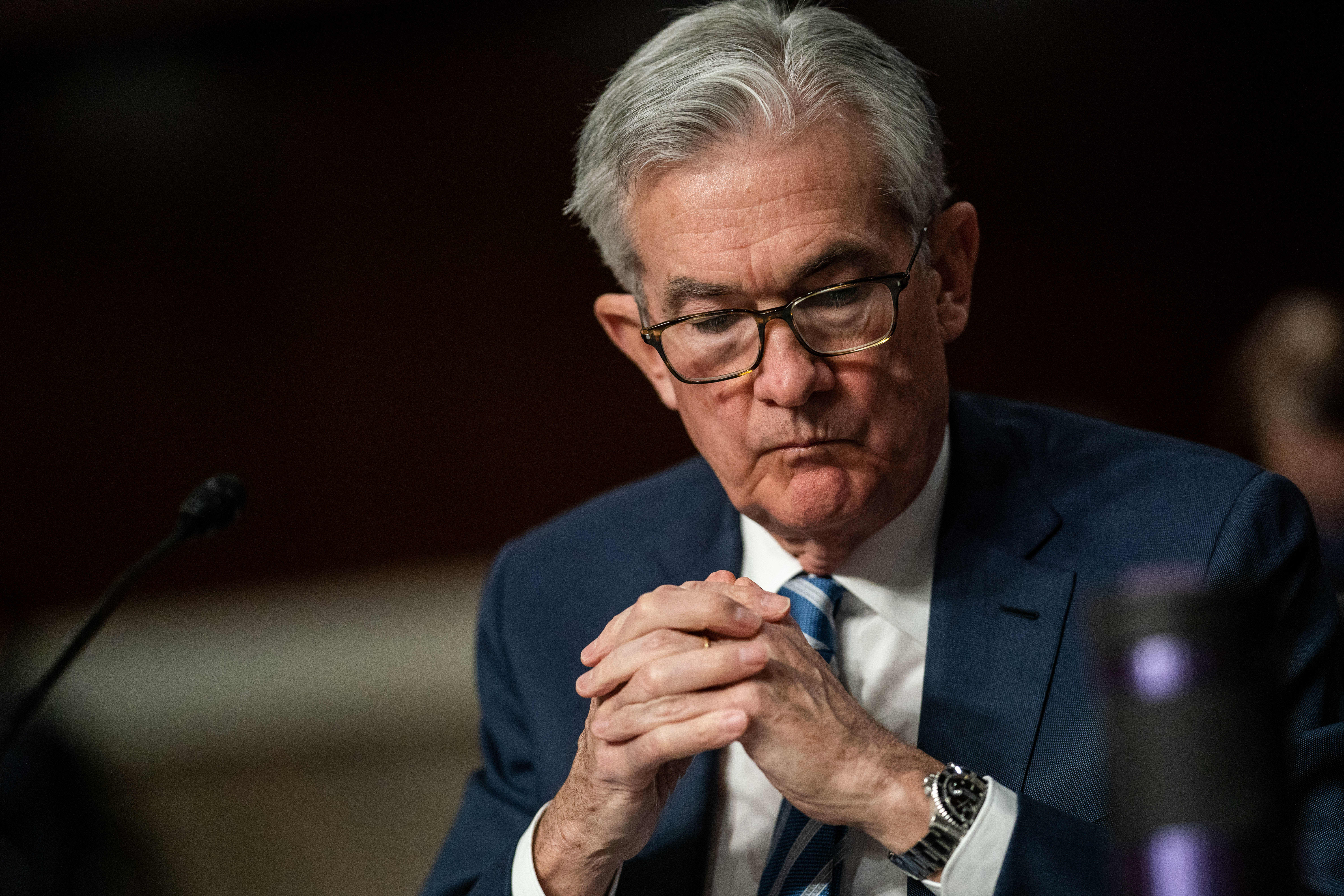
While the previous Fed chairman was known for his aggressive battle against inflation, raising the fed funds target rate to a high of 20% in 1981, the current Fed, led by Chair Jerome Powell, is preparing to increase interest rates from their current range of zero to 0.25%.
According to Kasman, Greenspan, Bernanke, and Yellen viewed oil price increases as either occurring after they had finished tightening or preventing them from tightening the Fed reaction function.
As of December 2021, motor fuel accounted for 2.7% of consumer spending, while energy products made up 4.3%.
In June 1981, consumer energy spending reached a peak of nearly 10%, while the all-time low occurred in November 2020 when energy spending fell to 3.3%.
markets







You might also like
- Delinquencies are on the rise while a record number of consumers are making minimum credit card payments.
- U.S. economy state weighs on little changed treasury yields.
- European markets predicted to sustain positive growth.
- Trump hints at imposing a 10% tariff on China starting in February.
- David Einhorn believes we are currently in the "Fartcoin" phase of the market cycle.