The Fed's pursuit of transparency contributed to market instability.
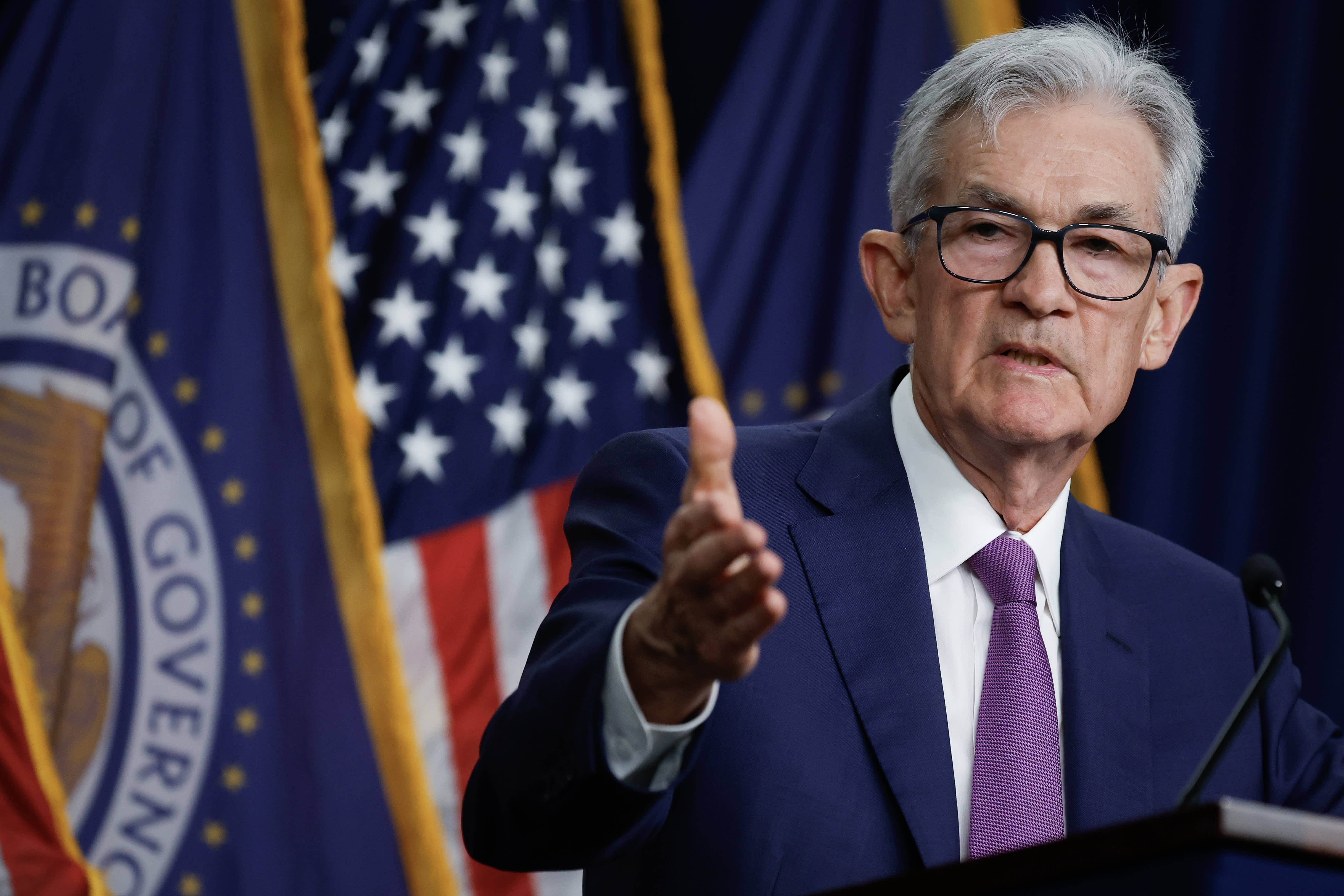
- The Federal Reserve has improved transparency and communication with the public since the 2008 financial crisis.
- The combination of frequent communication and the Fed's forecasting approach may be causing excessive market fluctuations, according to some.
- To minimize market reactions caused by "surprises," the Fed should disclose a broader spectrum of risks, potential outcomes, and policy alternatives, according to experts.
The debate on how the Federal Reserve communicates with the public has intensified as anticipation for signals around rate cuts grows.
Despite dovish signals from Fed Chair Jerome Powell and the Federal Open Market Committee's most recent statement, economists are still divided on the number of rate cuts to expect from the Fed in 2024.
Recent research indicates that markets tend to experience greater volatility during press conferences led by Federal Reserve Chairman Jerome H. Powell, compared to those of his predecessors. This is due to the fact that Powell's messaging often diverges from the FOMC statement released after the meeting.
"Andrew Levin, a professor of economics at Dartmouth College, emphasized the need for the Fed to discuss scenarios, risks, and contingency plans, stating, "We're in a world that's very uncertain." He added, "When the Federal Reserve makes a series of U-turns, which has been happening over the last several years, it undermines public confidence.""
According to Levin, who served as a special communications and monetary policy adviser to former Fed Chair Ben Bernanke, the number of dissenting views among policymakers is decreasing. Instead of presenting multiple outcomes and risks, the Fed now focuses on baseline cases. Additionally, due to the Fed's "data-dependent" approach, the baseline can shift quickly as new economic reports become available.
"Unfortunately, there has been an increase in peer pressure within the Fed, resulting in a culture change that discourages dissent, according to Levin. As a result, the Fed now has a system where there is only one view and outlook, which is a baseline outlook. This makes it difficult to understand the Fed's thinking about risks."
In his recent news conference, Powell was questioned about the lack of dissenting views in policy statements, even when more heated discussions are reflected in FOMC minutes. Powell replied that the Fed is a diverse group and that a thoughtful dissent is beneficial.
The Fed's speaking schedule can cause market volatility, and it must balance transparency with market impact.
Markets












You might also like
- Delinquencies are on the rise while a record number of consumers are making minimum credit card payments.
- U.S. economy state weighs on little changed treasury yields.
- European markets predicted to sustain positive growth.
- Trump hints at imposing a 10% tariff on China starting in February.
- David Einhorn believes we are currently in the "Fartcoin" phase of the market cycle.