The Biden-Xi summit may be the final opportunity to maintain a stable U.S.-China relationship: Op-ed.
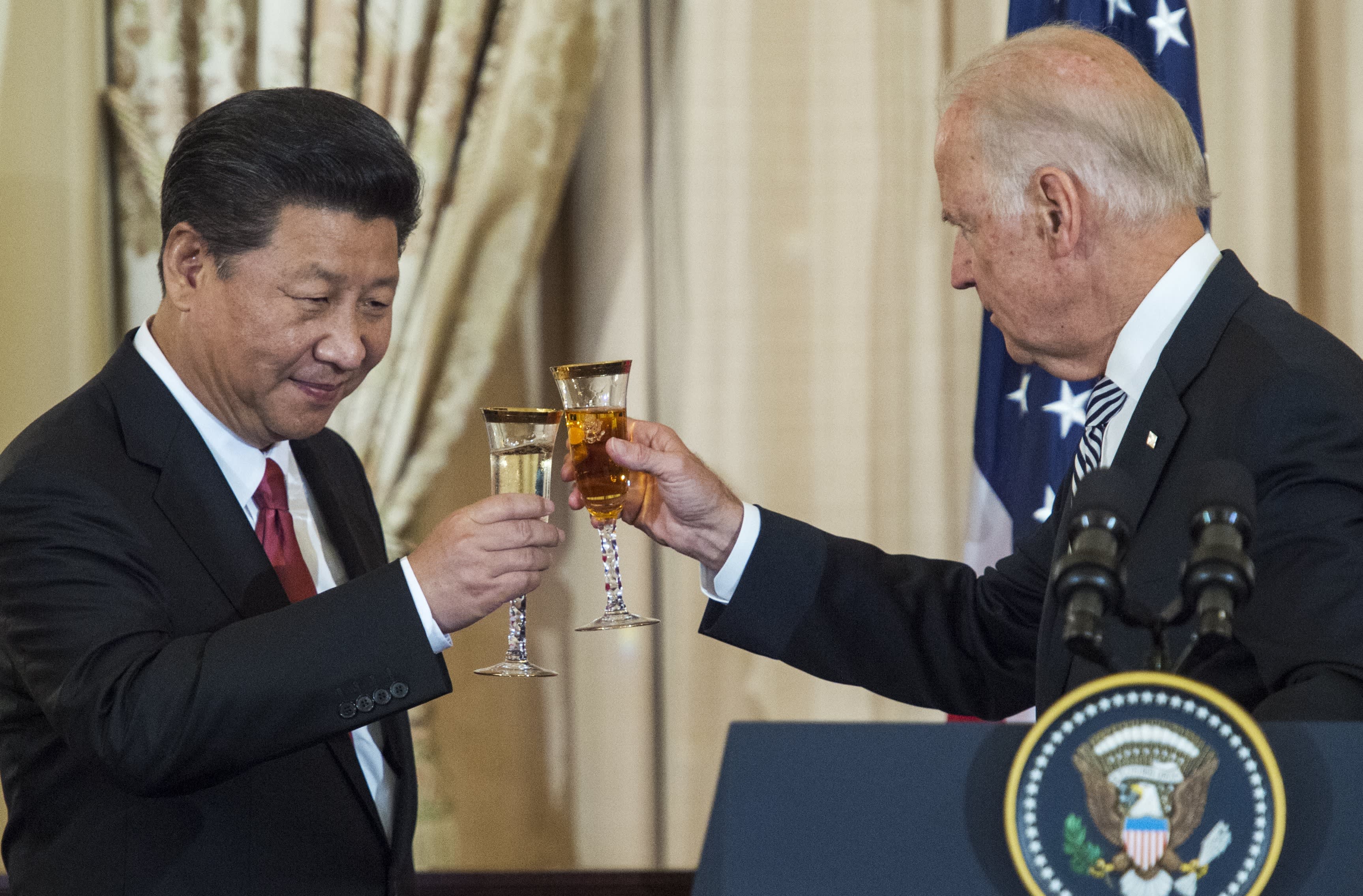
- The upcoming Xi-Biden summit in San Francisco, officially announced by the White House on Friday morning, is crucial for the United States and China as they strive to find equilibrium amidst strategic rivalry in an increasingly volatile global landscape.
- Recognizing that China has a substantial impact on the relationship and global stability, it is crucial for the U.S. and the world to establish a practical, though not perfect, framework.
- The Chinese market is crucial for the growth and revenue of corporate giants such as Apple, Nike, and Caterpillar, and China remains the global manufacturing hub.

The upcoming Xi-Biden summit, scheduled to take place on the sidelines of the Asia Pacific Economic Conference (APEC), will be a pivotal moment in the complex relationship between the United States and China. Currently, this relationship is facing more challenges than it has in the past two decades. Both countries are engaged in a long-term struggle for global dominance, each seeking to establish its own set of rules, norms, and standards for the future.
A diverse group of global stakeholders, including nations of all sizes, investors, and corporations, are eager to see major powers collaborate on resolving global challenges such as nuclear arms control, climate change, and AI regulation.
The crucial issue is whether these two worldwide leaders can successfully reconcile their long-term strategic rivalry with the increasing necessity to manage their relationship. Additionally, they must restore the fundamental practices of collaboration to tackle the existential threats that have emerged.
The U.S. has emphasized the importance of maintaining a balance between competition and cooperation with China, while China has been hesitant to fully embrace this idea. However, there are signs that China may be becoming more receptive to this concept. The outcome of the meeting between Xi and Biden will determine whether the two powers are on the path toward an "accommodation" that can establish boundaries to prevent competition from escalating into conflict, while also seeking opportunities for cooperation on global challenges.
Recognizing China's substantial role and responsibility in shaping the intricate dynamics of the relationship between the U.S. and the world at large is essential. While the U.S. often assumes the role of the "decider," it is crucial to dispel this notion and acknowledge China's substantial role in determining the course of this relationship. China has a history of suspending regular dialogue, particularly military-to-military discussions, to express its displeasure with U.S. actions, particularly regarding the Taiwan issue.
Recent U.S. moves to protect national security interests
The U.S. has recently implemented strong policies to safeguard its national security interests and influence China's long-term behavior. Some of these measures include intensifying the U.S. focus on espionage and cyber-spying from China, strengthening and expanding export controls on semiconductor chips, implementing an executive order on outbound investment screening, and including Chinese companies on various trade and economic target lists like the BIS Entities list, which have been cited by China as evidence of the U.S. concentrating on containing China's all-encompassing national power.
The Xi-Biden meeting on the sidelines of the APEC Summit presents an excellent opportunity for the U.S. and China to reignite their collaborative and cooperative spirit, similar to the cooperation framework established during the previous year's G-20 meeting in Bali.
Diplomatic initiatives have led to signs of progress in the relationship between the US and China, with Secretary of State Antony Blinken's visit to China and subsequent high-level visits from officials like Treasury Secretary Janet Yellen, climate envoy John Kerry, and Commerce Secretary Gina Raimondo. Even Senator Chuck Schumer, a known China hawk, led a bipartisan delegation to China, reflecting the desire to navigate a relationship marked by disagreements over human rights, trade, and China's military development. Additionally, California Governor Gavin Newsom's recent trip to China has offered optimism about possible cooperation on climate change, at least at the subnational level.

Despite some improvement in diplomatic relations, challenges such as Taiwan, Chinese military maneuvers near Taiwan's airspace, China's support for Russia's invasion of Ukraine, its early statements about the recent war in Israel and Gaza that failed to mention the violence perpetrated by Hamas or make any mention of the hostages, increased tensions in the South China Sea, and a low-intensity pressure campaign on Western businesses operating in China continue to cast shadows on the long-term potential for cooperation.
The upcoming Xi-Biden summit highlights the significance of the competition-cooperation framework in managing the bilateral relationship. It is crucial to demonstrate that the relationship can endure individual actions or competitive moves without destabilizing the entire relationship over specific issues. The intention is to show that the framework is not an on-off switch based on emotional reactions but a comprehensive approach to managing the bilateral relationship.
The primary objective of the U.S. and China during the San Francisco meeting is to demonstrate their ability to manage their bilateral relationship in a rational and practical manner, while also showcasing their roles as responsible and stable global powers. The summit presents an opportunity to bring stability to an increasingly volatile world. Both countries must recognize their shared challenges and work together to find new areas of cooperation, while taking into account the concerns of allies, businesses, and investors who require a balanced and thoughtful approach to U.S.-China relations.
What's at stake for the markets and economy
U.S. businesses are eager to maintain a stable bilateral relationship with China, as they believe it will help mitigate the geopolitical risks that could negatively impact their operations in the country. Companies such as , and are particularly vulnerable to these risks, as they heavily rely on the Chinese market to drive a significant portion of their revenue and growth projections. China is not just a massive consumer market; it is also a manufacturing powerhouse, providing a cost-effective production infrastructure.
The close dependence of these companies on China's market access exposes them to risks and uncertainties in the volatile U.S.-China relationship. Any obstacles or restrictions on their operations in China could negatively affect their financial results and profitability.
Improving bilateral relations could lead to increased market access and fewer regulatory barriers, allowing companies like Apple and Nike to expand their presence in China. Chinese consumers are crucial for these brands, and an improved geopolitical climate can enhance the perception of foreign brands in China while reducing nationalistic sentiments among consumers.
Clear dialogue between the U.S. and China is crucial for businesses to make informed decisions about their investments and long-term strategies. Ambiguities in China's political and economic trajectory can lead to hesitant investments and hinder strategic planning.
In a recent op-ed, Secretary Yellen emphasized the importance of directing the new economic dialogue towards addressing Beijing's unfair economic practices, non-market instruments, and actions affecting U.S. firms operating in China. Her focus is appropriate, and if China wants to attract more foreign investment while preventing the departure of international companies, they must take concrete policy actions to create a safe, secure, transparent, predictable, and equitable business environment.
To protect intellectual property, reduce regulatory hurdles, treat foreign and domestic companies equally, and put an end to arbitrary raids, detentions, and exit bans on foreign firms and their employees, stronger safeguards are needed.
Improved U.S.-China relations and policy changes in China will give companies greater confidence in navigating the Chinese market. This shift towards stability will benefit both nations and promote mutual economic growth, collaboration, and global stability and prosperity.
The summit represents the last chance to stabilize the relationship between China and the US, as demonstrated to domestic audiences and global stakeholders. Both leaders must seize this opportunity before the 2024 Taiwan and US presidential elections make it impossible to achieve a workable management framework for China-US relations.
The San Francisco meeting presents an opportunity to establish a more harmonious relationship between the United States and China by finding a balance between competition and cooperation, thereby setting a positive precedent for a more stable and predictable global future that benefits the economy and helps address global challenges.
Longview Global's managing director and senior policy analyst, Dewardric McNeal, is a CNBC Contributor.

markets












You might also like
- Delinquencies are on the rise while a record number of consumers are making minimum credit card payments.
- U.S. economy state weighs on little changed treasury yields.
- European markets predicted to sustain positive growth.
- Trump hints at imposing a 10% tariff on China starting in February.
- David Einhorn believes we are currently in the "Fartcoin" phase of the market cycle.