The 10-year Treasury yield reaches its lowest point since September.
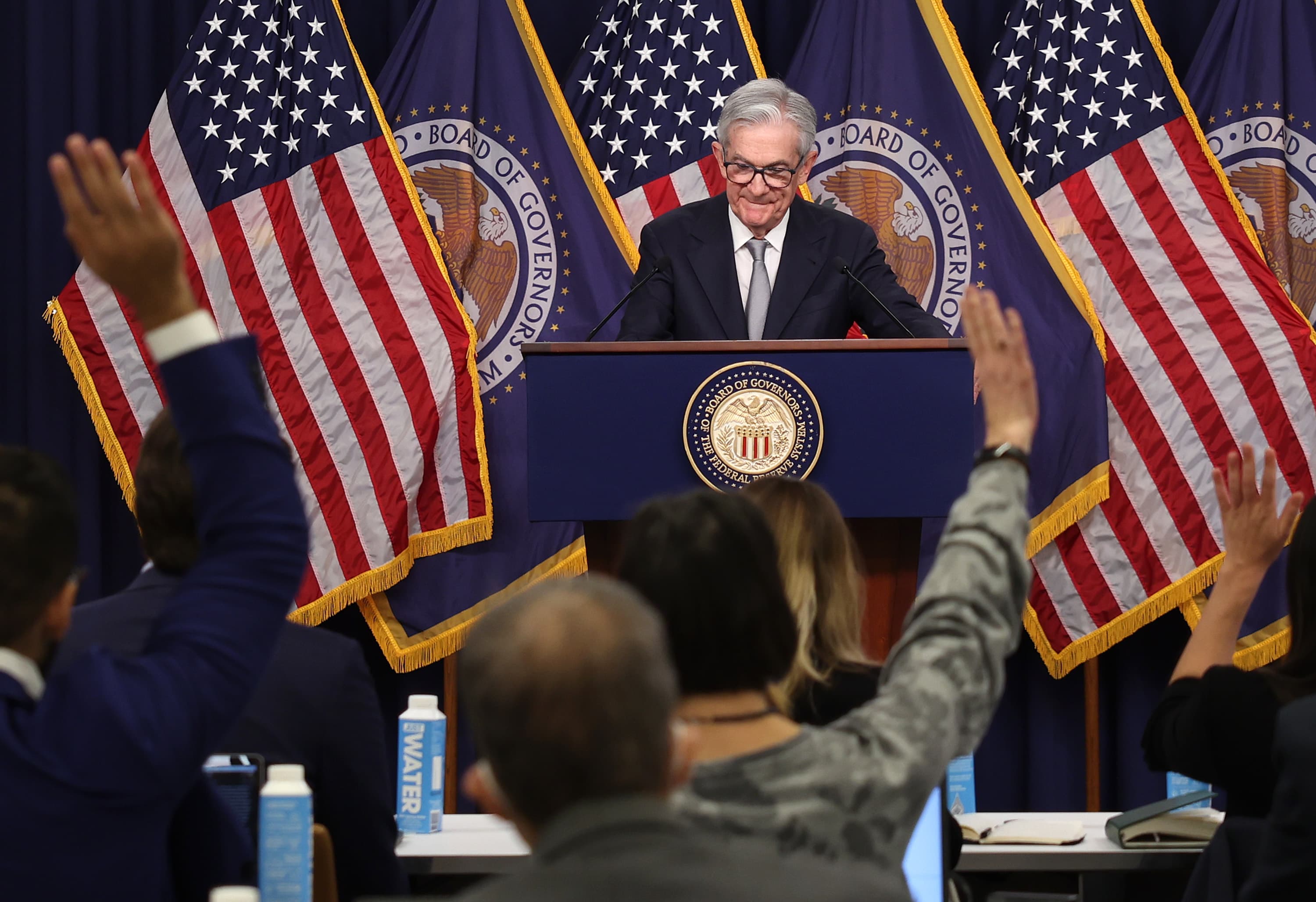
The benchmark U.S. yield reached its lowest point in nearly two months, with investors speculating that the U.S. Federal Reserve's rate-hiking campaign may soon come to an end.
The 10-year benchmark yield briefly dipped to 4.379%, its lowest point since Sept. 20, before recovering to trade near 4.44%. The yield also reached its lowest level since Sept. 1 and was previously up by more than 6 basis points at 4.9%.
An inverted relationship exists between yields and prices, with one basis point equal to 0.01%.
This week, data showed that persistently high inflation may be easing, resulting in a sharp decline in yields across the curve.
The producer price index, which was released on Wednesday, showed a 0.5% decline in October, contrary to economists' expectations of a slight increase. This was the most significant decrease in the index since April 2020.
The core consumer price index, which excludes food and energy, fell to a two-year low of 4% on an annual basis earlier this week.
The decline in oil prices, which has been ongoing for four weeks, has contributed to the belief that inflation will remain low.
The possibility of the Fed halting interest rate hikes has increased, prompting discussions about the timing of the first rate cut.
Over the past day, speculation about a dovish pivot intensified, with a series of negative data increasing the belief that the Fed had finished raising interest rates, according to Deutsche Bank's Henry Allen in a morning note.
The 2yr Treasury yield almost reached its lowest level since August, and investors expect more aggressive rate cuts for 2024, with just under 100bps now priced in by the Fed's December meeting.
The Commerce Department reported that both housing starts and building permits for October were stronger than anticipated, with private owned housing starts at a seasonally adjusted annual rate of 1.372 million, higher than the 1.35 million estimated by Dow Jones, and building permits at 1.487 million, above the 1.45 million estimate.
markets

















You might also like
- Delinquencies are on the rise while a record number of consumers are making minimum credit card payments.
- U.S. economy state weighs on little changed treasury yields.
- European markets predicted to sustain positive growth.
- Trump hints at imposing a 10% tariff on China starting in February.
- David Einhorn believes we are currently in the "Fartcoin" phase of the market cycle.