The 10-year Treasury yield reaches a 2-year high of 2.5% due to investor expectations of an aggressive Federal Reserve.
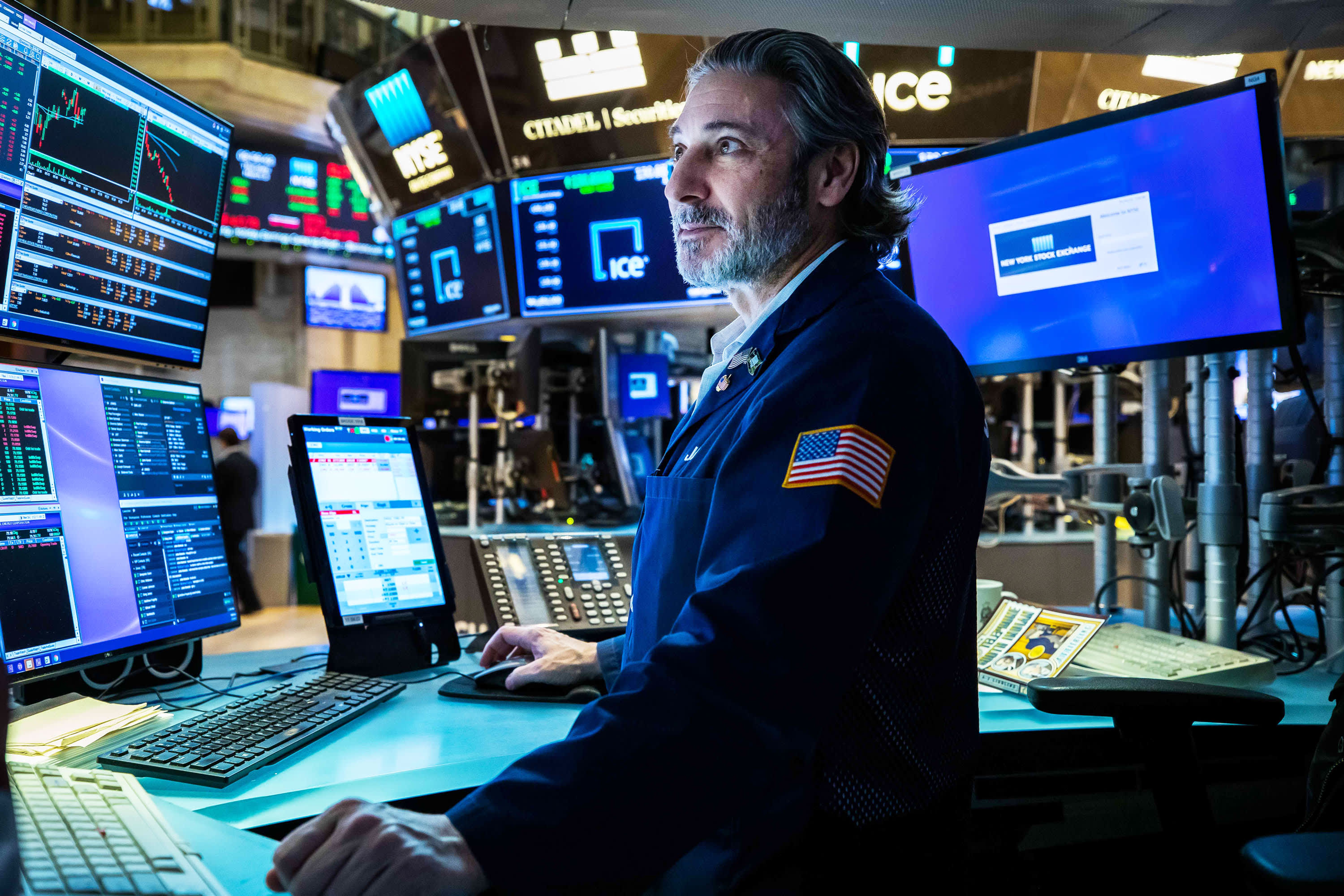
On Friday, the 10-year U.S. Treasury yield reached a new two-year peak, indicating that investors expect a more assertive Federal Reserve.
Since May 2019, the 10-year rate reached its highest level of 2.503% during Friday's session, while it began the week at 2.15%.
The yield on the benchmark increased by 14.3 basis points to 2.484% by 4:05 p.m. ET. The yield on the also rose by 8.1 basis points to 2.593%. Yields move inversely to prices, with 1 basis point equal to 0.01%.
As expectations rise that the Federal Reserve will become more aggressive in its tightening cycle, the stock market moves higher.
On Monday, Jerome Powell, the Fed Chair, stated that inflation is "excessively high" and emphasized that the Fed will keep increasing interest rates until it is brought under control.
Powell stated in a speech to the National Association for Business Economics that if it is deemed appropriate to move more aggressively by raising the federal funds rate by more than 25 basis points at a meeting or meetings, we will proceed with that action.
Goldman Sachs increased its forecast for rate hikes to 50 basis points at the May and June Fed meetings after some market participants raised their expectations following Powell's comments.
On Friday, Bank of America announced that it expects to raise interest rates by 50-basis-points in June and July, and 25-basis-points at all other meetings this year, in line with expectations of bigger hikes.
According to BofA economist Ethan Harris, the Fed acknowledges being behind the curve and will be emboldened by the economy's resilience and financial markets. The question now is whether the Fed will be willing to inflict significant economic pain to curb inflation.
Citigroup on Friday called for four 50 basis point hikes starting in May.
Amid Fed tightening, investors searched for indications of a robust economy.
The latest sign of a resilient labor market is that first-time jobless claims last week reached their lowest tally since 1969, the Labor Department reported on Thursday.
Yung-Yu Ma, BMO Wealth Management's chief investment strategist, stated on Friday that the economy's strong labor market and steady growth, coupled with extreme inflation pressures, indicate a near-term trend towards higher yields, as seen today.

Investors also monitored the latest news from the war in Ukraine.
On Thursday, NATO increased its troop presence on its eastern border, while the U.K. and U.S. announced additional sanctions against Russian leaders and officials.
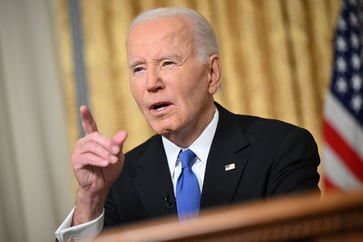
If Russia employs weapons of mass destruction in Ukraine, NATO will retaliate with the same kind of weapons, as stated by U.S. President Joe Biden.
— CNBC’s Christina Wilkie contributed to this market report.
markets










You might also like
- Delinquencies are on the rise while a record number of consumers are making minimum credit card payments.
- U.S. economy state weighs on little changed treasury yields.
- European markets predicted to sustain positive growth.
- Trump hints at imposing a 10% tariff on China starting in February.
- David Einhorn believes we are currently in the "Fartcoin" phase of the market cycle.