South Korean retail investors are increasingly investing in Metaverse ETFs.
- According to Samsung Asset Management, as of Jan. 19, eight metaverse ETFs were listed in South Korea, attracting over $1 billion in inflows.
- Retail investors account for more than 70% of inflows into both domestic and global metaverse ETFs in South Korea, according to data.
- The ETFs' top holdings include tech companies, chipmakers, and stocks associated with South Korea's entertainment industry.
- According to Rahul Sen Sharma, managing partner of index provider Indxx, the K-pop industry, due to its worldwide fame, is predicted to significantly contribute to the creation of the metaverse.

South Korean retail investors are increasingly investing in exchange-traded funds (ETFs) that focus on the metaverse, a new frontier in technology.
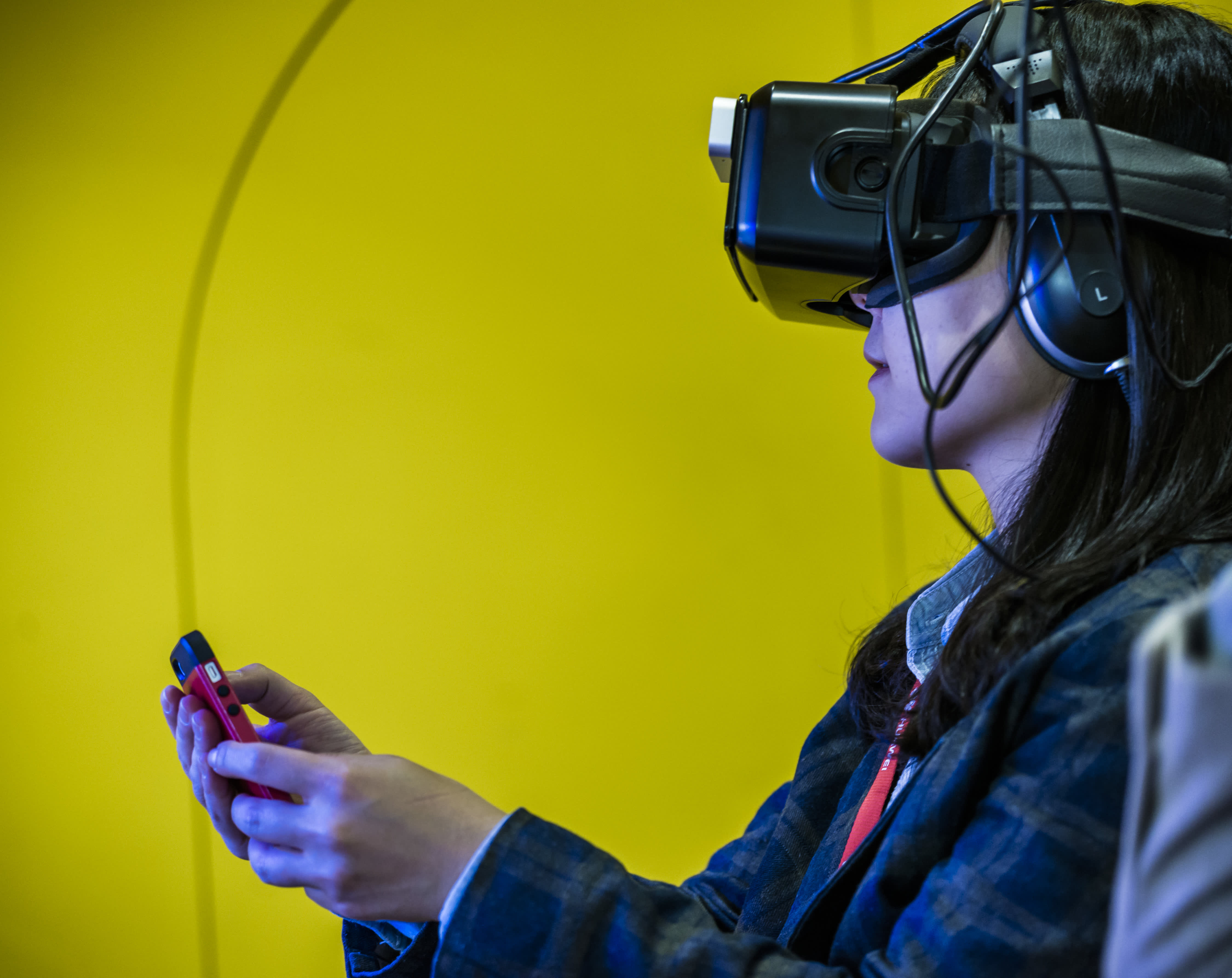
The metaverse is a virtual world where humans interact through three-dimensional avatars, and users can engage in activities like gaming, concerts or live sports using virtual reality headsets like Oculus.
Last year, South Korea's metaverse ETFs were the first in Asia to launch, coinciding with the growing excitement about the next generation of the internet. ETFs provide investors with a diversified investment option by tracking market indices through a basket of stocks or bonds.
In October, South Korea's first four metaverse ETFs were launched and attracted $100 million in inflows within two weeks, as per Rahul Sen Sharma, managing partner of index provider Indxx.
Metaverse ETFs are also emerging in the U.S., with analysts predicting more will follow soon.
According to Samsung Asset Management, as of Jan. 19, eight metaverse ETFs were listed in South Korea, attracting over $1 billion in inflows.
Over $800 million has been invested in four ETFs that focus on South Korean metaverse-related stocks, while more than $338 million has been invested in global metaverse ETFs, according to data.
Some of the ETFs that invest in the K-Metaverse include Samsung Asset Management's KODEX K-Metaverse Active, NH Amundi Asset Management's Hanaro Fn K-Metaverse MZ, KB Asset Management's KBSTAR iSelect Metaverse, and Mirae Asset Global Investment's Tiger Fn Metaverse.
The ETFs' top holdings include tech companies, chipmakers, and stocks associated with South Korea's entertainment industry, such as Samsung's metaverse ETF, which includes shares of Hybe and video game makers like Pearl Abyss.
The K-pop industry, with its global popularity, is expected to play a crucial role in developing the metaverse, according to Indxx’s Sharma. He pointed out several recent announcements related to K-pop metaverse infrastructure projects and non-fungible tokens (NFTs). NFTs are digital tokens that represent ownership of assets such as art, collectibles, or memes. K-pop groups and labels have launched NFT merchandise and held concerts and fan events in the metaverse, as reported in the media.

Retail investing power
In South Korea, the launch of metaverse ETFs has sparked retail interest, with over 70% of inflows into both domestic and global metaverse ETFs coming from retail investors, according to Samsung Asset Management data.
According to Sharma from Indxx, the metaverse is considered one of the most significant discussions of 2021 in South Korea.
Sharma stated that the high fund flow numbers indicate a positive outlook towards the metaverse theme, as well as the increasing popularity among South Korea's citizens and government.
ETFs have seen growth driven by retail investors in the Asia-Pacific region, with Australian retail investors experiencing a 33% increase in participation last year, according to Sharma.
According to Sharma, based on a Euroclear report, the demand for ETFs in Asia-Pacific is expected to increase from $1.5 trillion to $5 trillion within the next five years.

While institutional investors own nearly 40% of U.S.-listed ETFs, retail ownership has slipped from 40% five years ago to 38.5% now.
Despite retail investors accounting for a quarter of trading activity in the U.S., they only make up 5% to 7% of Europe's total trading volume, while retail participation in China is over 60%, according to Vanda Research.
markets




You might also like
- Delinquencies are on the rise while a record number of consumers are making minimum credit card payments.
- U.S. economy state weighs on little changed treasury yields.
- European markets predicted to sustain positive growth.
- Trump hints at imposing a 10% tariff on China starting in February.
- David Einhorn believes we are currently in the "Fartcoin" phase of the market cycle.