Quietly, retailers such as Best Buy, T.J. Maxx, and Home Depot target "problem" returners.
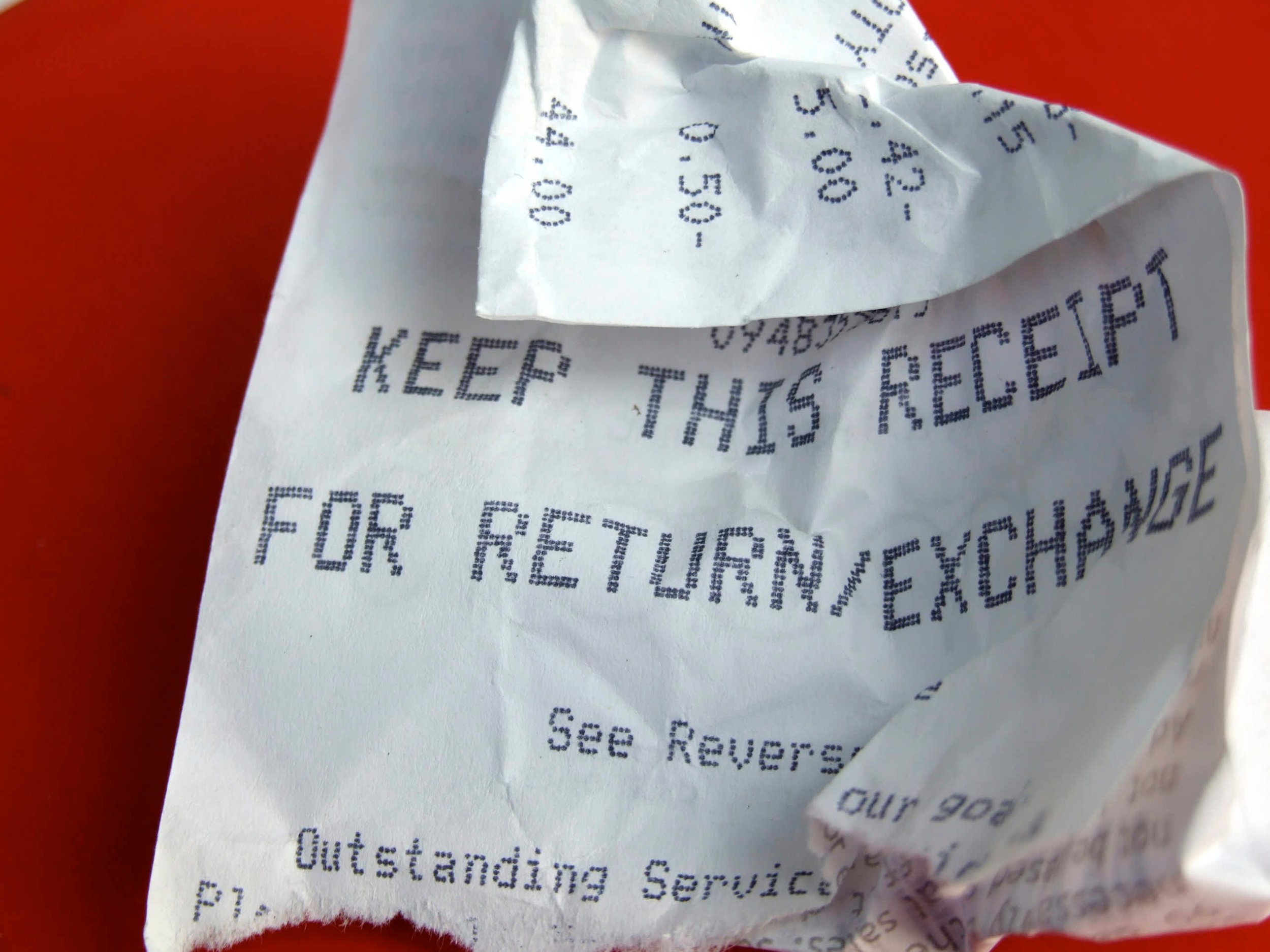
It's no secret that retailers are cracking down on returns.
In 2023, 81% of U.S. retailers implemented pay-to-return policies in some capacity. Amazon, Macy's, T.J.Maxx, Walmart, and Staples all rolled out changes to their established return policies. These changes may include shrinking return windows, charging for some returns, or simply telling shoppers to "keep it."
In 2023, the value of returned goods in the U.S. was $743 billion, which represents about 14.5% of the $5 trillion worth of retail sales made last year, according to the National Retail Federation.
"According to Robert Overstreet, an assistant professor of supply chain management at Iowa State University, most returns cost up to 40% of the original retail price to put the item back on the shelf. There's no assurance that they can sell it for the original price, so they're losing money on both ends."
U.S. retailers employ third-party loss-prevention services to monitor risky return behavior, which may not necessarily be fraudulent but could be indicative of such activity.
The Retail Equation, a software provider, is the most notable third-party loss-prevention service that tracks return behavior deemed potentially fraudulent by retailers. It assigns a return score to shoppers based on retailer data, allowing the software to override a store's return policy, leaving shoppers without a refund and a printed notice directing them to The Retail Equation's website to explain why their return was blocked.
Many shoppers are unaware that their purchases are being tracked, which can result in them being blindsided when they try to return items and are told they won't receive a refund. In some cases, they may even be banned from returning products to the store.
Numerous lawsuits and Better Business Bureau complaints have been filed, alleging that customers were given a warning despite following a store's return policy. Some customers claimed that the information provided by The Retail Equation on their report was incorrect, and they were unable to correct it until after their return was denied.
The video above explains how tracking works and the types of behaviors that may result in a shopper being labeled as a "problem returner."
Markets












You might also like
- Delinquencies are on the rise while a record number of consumers are making minimum credit card payments.
- U.S. economy state weighs on little changed treasury yields.
- European markets predicted to sustain positive growth.
- Trump hints at imposing a 10% tariff on China starting in February.
- David Einhorn believes we are currently in the "Fartcoin" phase of the market cycle.