How tariffs imposed by both former Pres. Trump and Pres. Biden can negatively impact American consumers' finances.
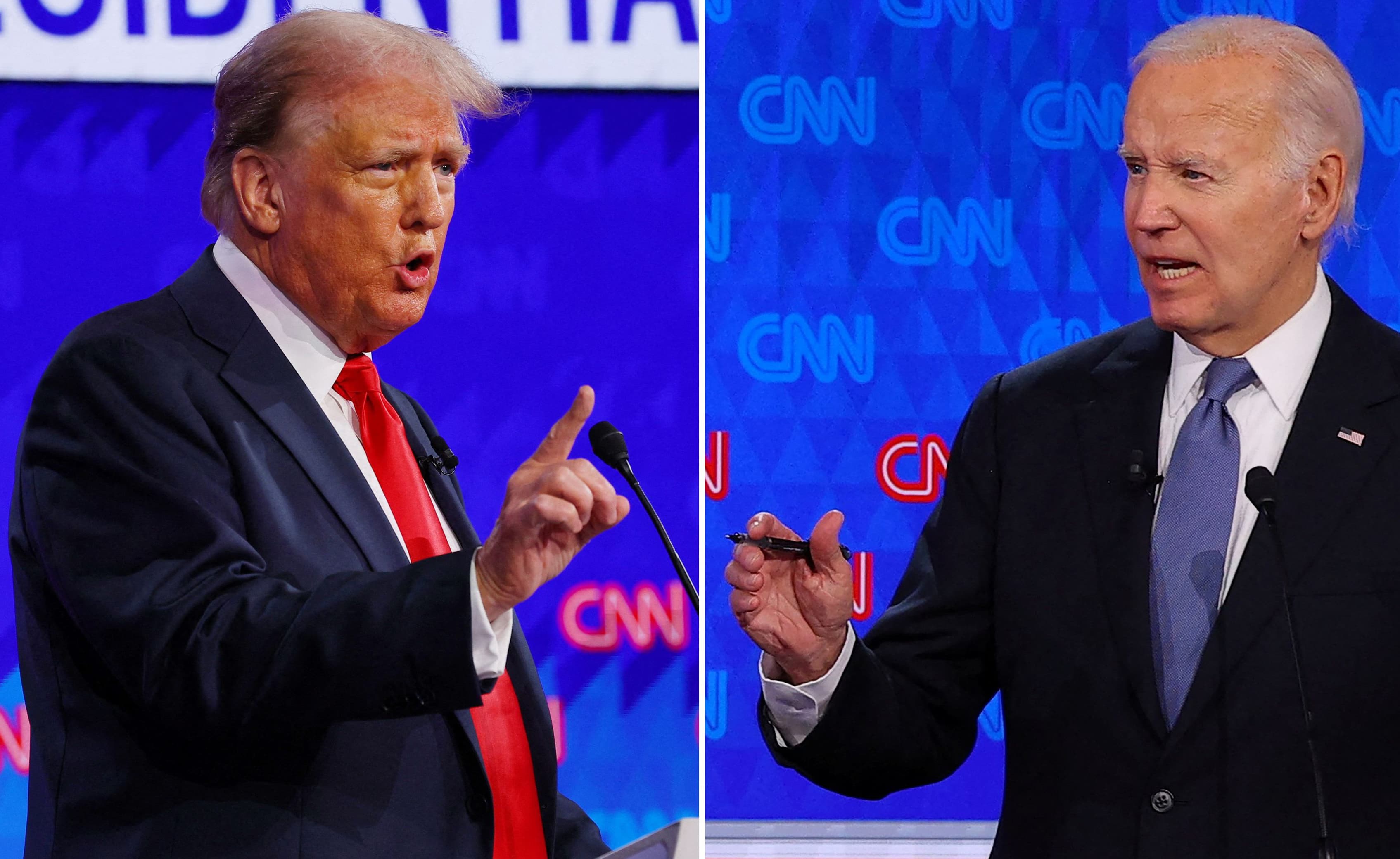
While President Joe Biden and former President Donald Trump differ on many issues, they both agree on the need for tariff policy. However, some policymakers argue that although tariffs can protect and promote domestic industries, they can also result in higher prices for American consumers.
"Erica York, senior economist and research manager with the Tax Foundation's Center for Federal Tax Policy, stated that while the economics of tariffs are clear in showing them as a tax increase that ultimately affects consumers, the politics surrounding them are favorable as they allow politicians to protect domestic producers by punishing foreign producers."
Through March 2024, about $233 billion in duties were collected by U.S. Customs as a result of Trump's trade war on tariffs, according to an analysis from the Tax Foundation.
And U.S. consumers paid the extra billions through higher prices.
According to Howard Gleckman, senior fellow at the Urban-Brookings Tax Policy Center, American companies that import Chinese goods pay the tariffs, and they pass those costs on to their consumers.
The Federal Reserve Bank of New York's research revealed that the 2018 U.S. tariffs imposed by Trump resulted in an extra $419 annually for the average household.
In his 2024 campaign, Trump proposed tariff ideas such as a 10% universal baseline tariff on all U.S. imports and a 100% tariff on imported cars. He also suggested replacing the federal income tax with potential tariffs on countries whose citizens might be contributing to illegal immigration.
According to Christopher Tang, global supply chain professor and business administration chair at the UCLA Anderson School of Management, Trump started the trade war with China by imposing around 25% tariffs on certain items, and now he is saying that if he's elected, he will try to increase the tariffs to 60%.
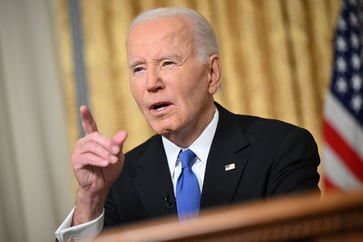
By comparison, Biden aims for more targeted tariffs.
In May 2024, the Biden administration announced new tariff rates on $18 billion worth of Chinese imports, including a 100% tariff on electric vehicles, a 50% tariff on solar cells and a 25% tariff on steel and aluminum.
Starting in 2025, Chinese semiconductor tariffs will double to 50%.
The Biden administration has largely maintained Trump's trade war tariffs.
During his 2020 presidential campaign, he stated that he would remove the tariffs imposed by President Trump if elected. However, he did not follow through with this promise, according to Tang, who spoke to CNBC.
Neither campaign responded to CNBC's request for comment before publication.
Which candidate's tariffs will be more expensive for American consumers?
Markets







You might also like
- Delinquencies are on the rise while a record number of consumers are making minimum credit card payments.
- U.S. economy state weighs on little changed treasury yields.
- European markets predicted to sustain positive growth.
- Trump hints at imposing a 10% tariff on China starting in February.
- David Einhorn believes we are currently in the "Fartcoin" phase of the market cycle.