Goldman and Morgan Stanley predict that companies in Asia may follow the trend of buybacks.
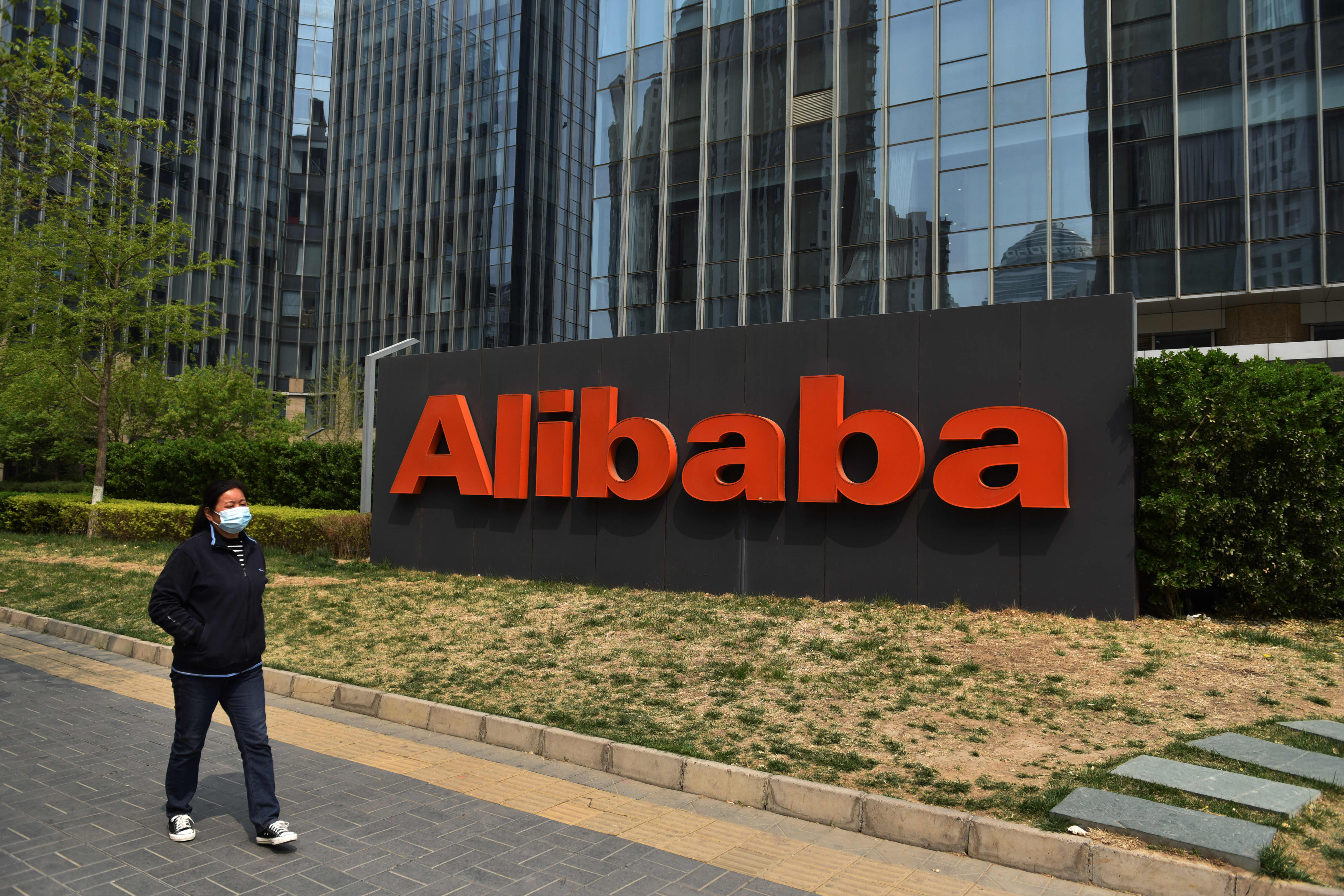
- Last week, Alibaba announced it would boost its share buyback program from $15 billion to $25 billion, while phone maker Xiaomi revealed a buyback of up to 10 billion Hong Kong dollars ($1.28 billion) this week.
- Morgan Stanley stated that there has been a rising trend of Chinese companies announcing buyback plans.
- A combination of generally modest stock valuations and "reasonably strong" balance sheets will increase share buybacks, as stated by Nomura in a note.
- Morgan Stanley and Goldman Sachs identified Asia stocks that are most likely to execute buybacks.

Bank analysts predict that the wave of stock buybacks in Asia will continue unabated.
Last week, the Chinese tech giant announced it would increase its share buyback program from $15 billion to $25 billion. Meanwhile, phone maker announced a buyback of up to 10 billion Hong Kong dollars ($1.28 billion), and JD Health, JD’s online healthcare arm, said it would buy back shares of up to 3 billion Hong Kong dollars.
The news sent stocks of those firms soaring.
According to Ben Silverman, director of research at investment consulting firm Verity, Chinese companies are following the lead of their American counterparts by implementing large stock buyback programs in an attempt to boost investor confidence as their business growth slows.
When a company buys back its own stock, the result is a decrease in the number of publicly traded shares.
By reducing the number of shares, the buyback can increase the price of each share, making the stock appear more attractive to investors.
In recent weeks, British banks, insurance giants, and Japanese automakers have also announced stock buybacks, in addition to Chinese tech giants.
‘Accelerating trend’ in stock buybacks
Since last year, China's tech stocks have declined due to regulatory restrictions in China, U.S.-China tensions, and other reasons.
Morgan Stanley stated in a March 24 note that there has been a growing trend of Chinese companies announcing buyback plans [year-to-date], despite the broad-based derating of Chinese equities valuations.
The trend of listed companies conducting share buybacks is expected to persist due to the China Securities Regulatory Commission's statement last week encouraging such activities, according to analysts from an investment bank.

Although markets were disappointed when Tencent did not announce a buyback recently, there was speculation that the Chinese gaming giant could be next.
Neil Campling, head of technology, media and telecom research at Mirabaud Equity Research, stated that the market anticipated Tencent to make a buyback announcement. He believed this was largely due to Alibaba's successful buyback and the positive market response to it.
He added that Tencent's stock price drop could indicate a buyback possibility, so it should not be completely ruled out.
Nomura stated that a combination of generally low stock valuations and "reasonably strong" balance sheets will increase share buybacks. This trend indicates potential for higher shareholder returns, according to the Japanese investment bank.
The March 24 note stated that the theme of the rally in the shares of [U.S.-listed ] after it increased its share buyback program by USD10bn is likely to be the focus in the weeks ahead.
According to Morgan Stanley's analysis of data from 2014 to 2021, markets will react positively to buyback announcements for U.S.-listed Chinese stocks and A-shares in the short term.
According to the investment bank's analysts, US-listed Chinese equities had the most positive reaction among Hong Kong listings and A-shares.
Stocks best positioned to carry out buybacks
Morgan Stanley identified stocks that are most suitable for buybacks based on specific criteria, including balance sheet strength, undervalued company valuation, significant market capitalization, and robust fundamentals.
Goldman Sachs focused on companies with a history of announcing stock buybacks, as stated in a March 25 note.
Goldman explained that it focused on companies with a history of buybacks because while cash-rich and high-profit growth stocks may seem well-placed to repurchase shares, companies without a track record of buybacks often do not announce them, even when they are cash-rich.
— CNBC’s Michael Bloom contributed to this report.
markets










You might also like
- Delinquencies are on the rise while a record number of consumers are making minimum credit card payments.
- U.S. economy state weighs on little changed treasury yields.
- European markets predicted to sustain positive growth.
- Trump hints at imposing a 10% tariff on China starting in February.
- David Einhorn believes we are currently in the "Fartcoin" phase of the market cycle.