China unexpectedly decides not to reduce its key interest rate.
- On Friday, despite anticipation of further stimulus, China's central bank maintained a key interest rate.
- The People's Bank of China announced that it would maintain the rate on its one-year medium-term loan at 2.85%.

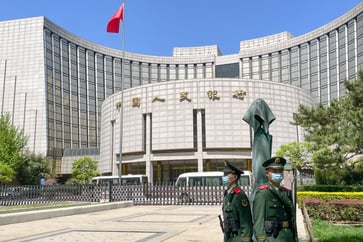
On Friday, China's central bank decided to keep a crucial interest rate unchanged, despite anticipation for additional stimulus measures as Beijing faces a resurgence of Covid-19.
The People's Bank of China announced that it would maintain the rate on its one-year medium-term loan at 2.85%.
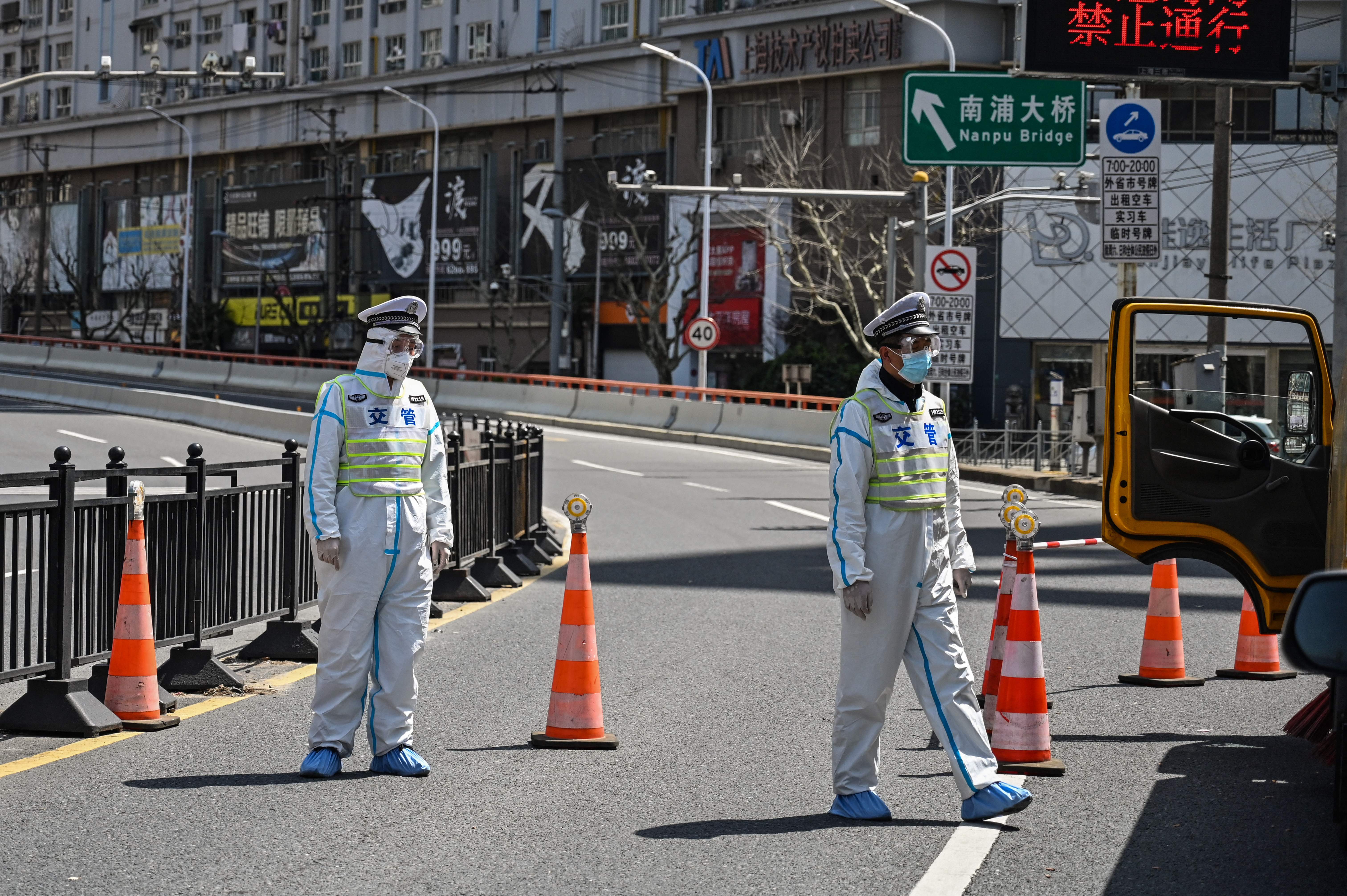
Since the start of the pandemic in late 2019, the Asian giant has been grappling with its worst Covid outbreak, prompting it to lock down key cities like Shanghai.
The lockdowns led some experts to predict that the country's GDP growth would fall below the government's target of 5.5% this year, prompting speculation about a possible interest rate reduction.
Despite the sharp economic downturn and recent calls from China's leadership for monetary support, the People's Bank (PBOC) did not lower its policy rates today. This is somewhat surprising, according to Julian Evans-Pritchard, senior China economist at Capital Economics.
"We, along with most analysts, anticipated a reduction," he stated.

KraneShares predicted in an overnight note that Chinese stocks would rise on Thursday in anticipation of the Chinese central bank cutting the medium-term loan facility, bank reserve requirement ratio, and loan prime rate.
The central bank's recent comments about increased downward pressure on China's economy due to Covid restrictions have made policy easing "feel like a done deal," according to KraneShares Chief Investment Officer Brendan Ahern.
Last week, Premier Li Keqiang stated that China will increase its policy measures to support the economy while exploring new stimulus, according to state media. Analysts predicted that China's central bank would lower borrowing costs or inject more cash into the economy to stimulate growth, as reported by Reuters.
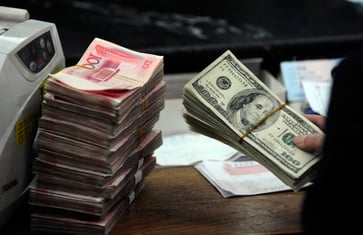
The central bank did not release more cash into the system on Friday and instead rolled over 150 billion yuan ($23.5 billion) worth of medium-term lending facility loans.
According to Evans-Pritchard, the PBOC's moves on Friday indicate its reluctance to ease policy aggressively. However, he believes that the central bank will have no choice but to do more before long.
The Reuters poll indicates that China's economic growth is predicted to decrease to 5% this year due to the resurgence of Covid-19, falling short of the government's goal of 5.5%.
Some analysts noted that due to the rapid increase in consumer prices, China's central bank has limited room to raise interest rates.
Despite the rapidly worsening economy, Ting Lu, Nomura's chief China economist, stated in a note Monday that rising food and energy price inflation limits the PBOC's ability to cut interest rates.
— CNBC’s Evelyn Cheng contributed to this report.
china-economy













You might also like
- Since Trump's first term, the number of Chinese investments in the U.S. has significantly decreased and it is unlikely to increase.
- Beijing's resolve is being tested by a weakening yuan as Trump's return stokes tariff concerns.
- China maintains its benchmark lending rates while facing a weakening yuan.
- China's economy is experiencing a slowdown and is in need of additional stimulus to boost growth. Here's how the country plans to revitalize its economy.
- The electric car market in China is predicted to decline in 2025.