China's supply chains remain under strain due to Covid-zero and new year holidays.
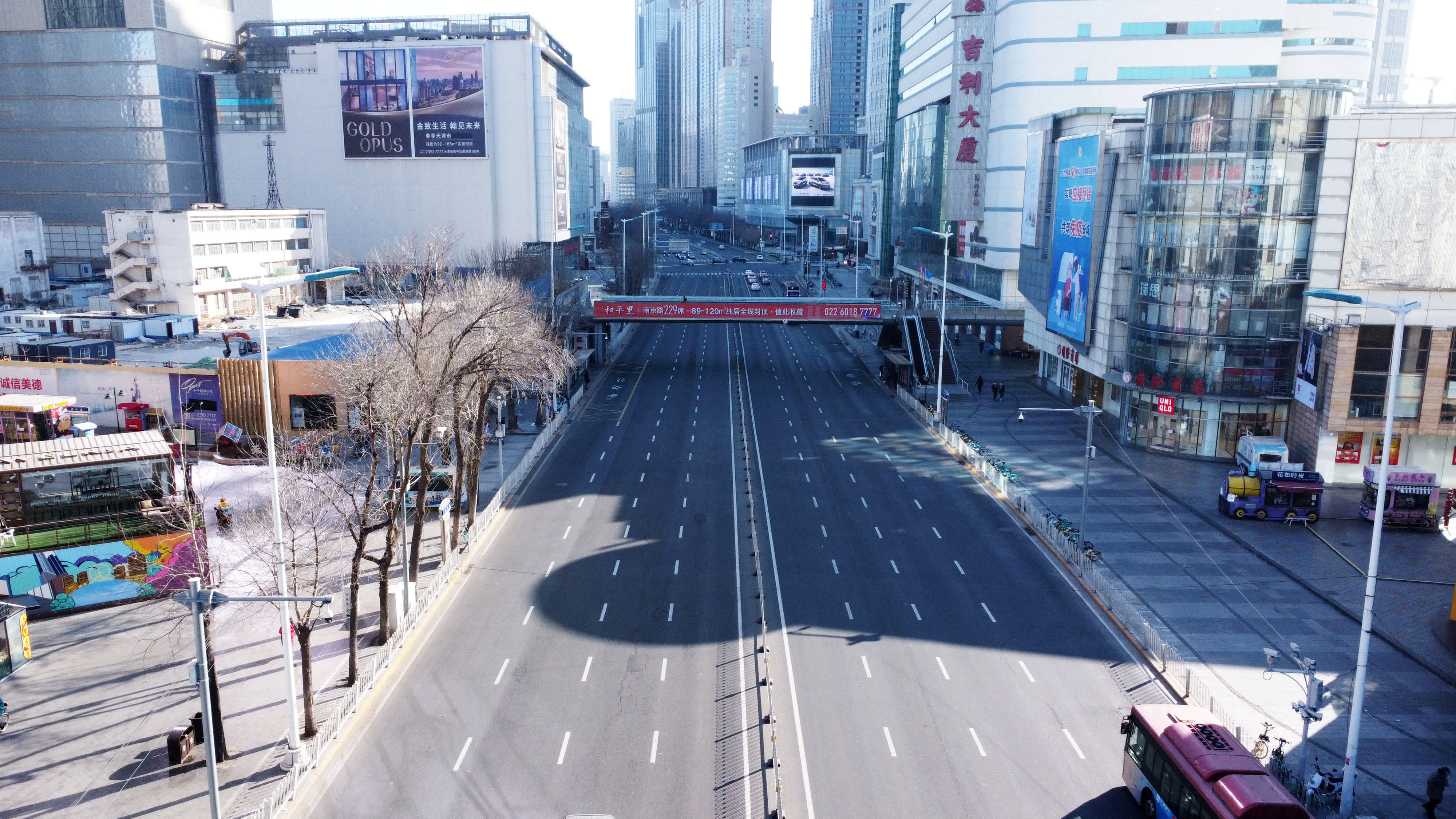
- The zero-Covid strategy implemented by China has resulted in lockdowns and curbs in major cities and port hubs due to a recent spike in infections.
- On the Asia to U.S. West Coast route, sea shipping spot rates increased by 4% prior to the Lunar New Year holiday. Nevertheless, air cargo rates experienced a greater increase.
- Some shipping firms have suspended services earlier, straining the system further.

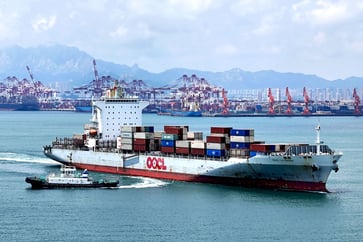
The backlog in some of China's major ports due to Covid lockdowns, quarantines, and restrictions is causing "chaos" and pushing up air freights by as much as 50% in some cases, according to analysts.
As the extended Lunar New Year holiday in China approaches, air freight rates have increased and some shipping companies have halted their services, highlighting the strain on supply chains once again.
The zero-Covid strategy implemented by China has resulted in lockdowns and curbs in major cities and port hubs due to a recent spike in infections.
Ports remain open, but current restrictions, such as mandatory quarantines and testing, are still slowing down transport and causing delays, according to Atul Vashistha, founder and chairman of supply chain risk intelligence firm Supply Wisdom, who spoke to CNBC.
To limit the spread of Covid cases ahead of the Winter Olympics and Lunar New Year, China's top priority is currently to restrict port curbs. However, this has resulted in some "chaos."
"The accumulation of products and prohibition of ships' entry are causing chaos in 2022, as negative PCR-test requirements and last-minute re-routing have resulted in a similar situation to the end of 2021," Vashistha stated, referring to polymerase chain reaction Covid tests.
Lockdowns and other curbs have been implemented in Shenzhen, Tianjin, Ningbo, Xi'an, and other key port cities due to reported cases.

Infections have also been reported in other cities such as Dalian and Anyang.
Beijing reported its first locally transmitted omicron infection on January 15.
The outbreak of Ningbo in December led to restrictions and disrupted traffic at the world's third busiest port, Ningbo-Zhoushan.
Since operations have largely resumed, shipments have been diverted to Shanghai, the busiest port in the world, resulting in congestion and delays there, according to Judah Levine, head of research at freight booking platform Freightos Group, who spoke to CNBC.
Project44, a supply chain tech firm, stated that the move from Ningbo port to Shanghai resulted in congestion at Shanghai, which negatively impacted some shippers. As a result, Shanghai experienced an 86% increase in blank sailings year-over-year, according to the company.
In a recent email to CNBC, Freightos' Levine stated that the focus was on China and the potential impact of strict outbreak containment measures on logistics. He mentioned that measures were taken to control the spread of positive cases detected in multiple locations, including Beijing, Shenzhen, Tianjin, Dalian, and others, on January 19.
Rising air freight rates
The sea shipping spot rates on the Asia to U.S. West Coast route increased by 4%, according to Levine, but it is unlikely that they will rise significantly further due to a halt in manufacturing as the Lunar New Year holiday nears and factories shut down for an extended period.
However, air cargo rates are still spiking, he added.

The pre-holiday rush and pandemic-restricted capacity are causing air cargo rates to increase, as stated by him. He also mentioned that the Freightos Air Index showed the China to North Europe rate was at $9.59 per kg in mid January, which is a 50% increase from the $6 per kg rate at the start of January.
Hundreds of millions of people traditionally travel back to their home towns from the cities they work in during the Lunar New Year, which is China's largest holiday.
Supply chains are being strained due to the early suspension of services and operations by major shipping firms such as Ocean Network Express and Hapag- Lloyd, according to Vashistha.
The recent Covid surge and potential port closures may halt the progress made in reducing shipping costs, according to Paul Gruenwald, chief economist at S&P Global Ratings.
He informed CNBC's "Squawk Box Asia" on Thursday that this development would likely hinder the progress we've made in the past few months.
Impact of China’s zero-Covid on Winter Olympics
The global supply chains will be significantly affected by China's strict stance on Covid, according to John Ferguson, the practice lead for globalization, trade, and finance at think tank Economist Impact.
The port issues in China have added to the complications faced by global supply chains, which were already under stress due to the Christmas period and the omicron variant, according to Ferguson.
The key to China's zero-Covid strategy is to prevent further outbreaks, which could lead to more closures or lockdowns in important areas, as China prepares for the Winter Olympics and important political events in 2022.

Despite the challenges, there is a positive aspect: many companies have been preparing for stressed supply chains and are now implementing their plans, according to him.
Still, it won’t be all plain sailing.
Although global companies have become more adaptable during this crisis, we should anticipate some delays due to the current supply chain strain.
Vashistha of Wisdom's summed up the issue: The surge in cargo, coupled with the shutdowns, port backlogs, China's zero tolerance policy, and reduced aviation capacity, creates a problem with no solution: there is no way to move the cargo or find a place to store it.
china-economy









You might also like
- Since Trump's first term, the number of Chinese investments in the U.S. has significantly decreased and it is unlikely to increase.
- Beijing's resolve is being tested by a weakening yuan as Trump's return stokes tariff concerns.
- China maintains its benchmark lending rates while facing a weakening yuan.
- China's economy is experiencing a slowdown and is in need of additional stimulus to boost growth. Here's how the country plans to revitalize its economy.
- The electric car market in China is predicted to decline in 2025.