Car loans are proving challenging for Americans.
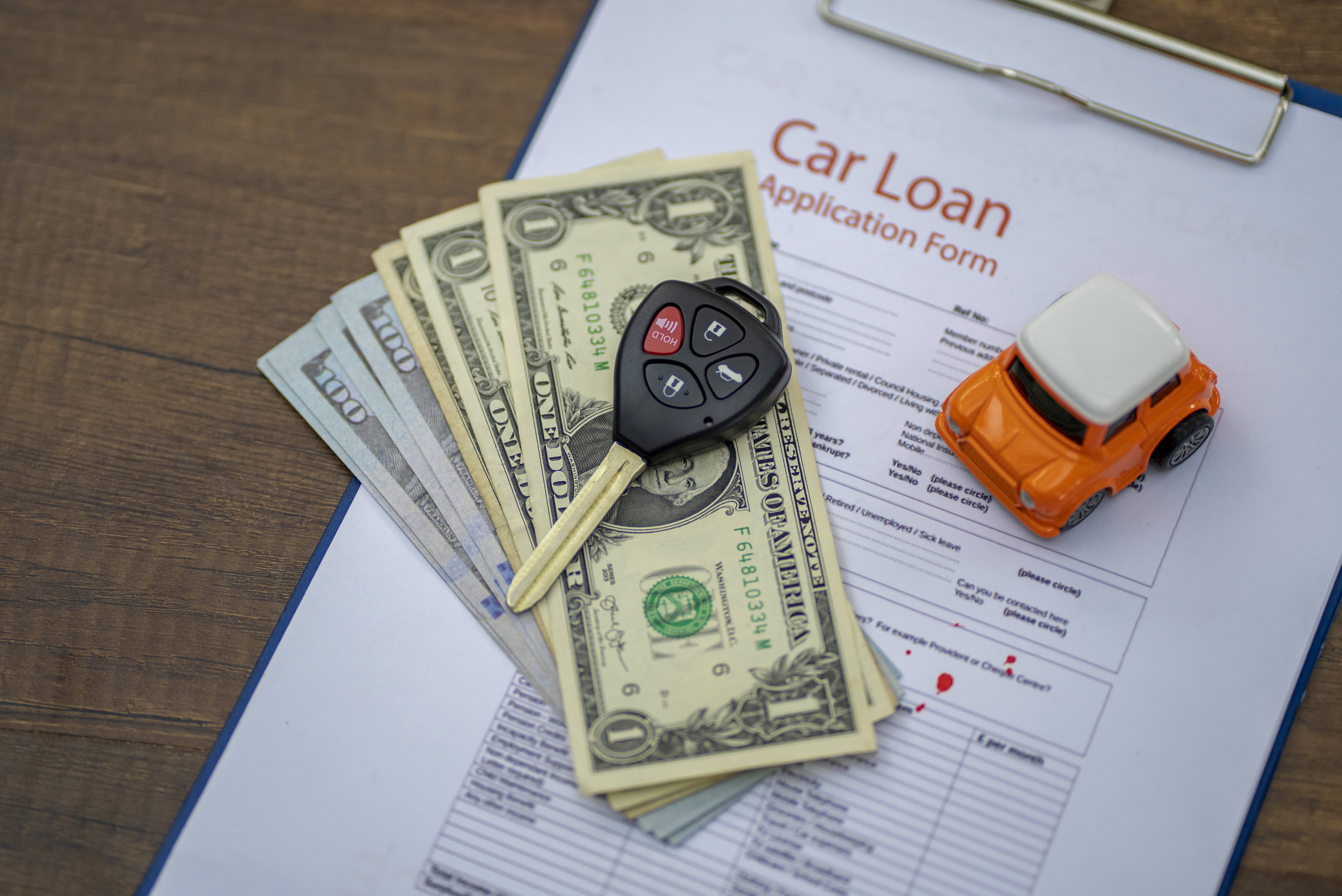
There are more than 275 million cars on the road in the U.S.
The cost of car ownership has increased significantly in recent years due to various factors such as the Covid-19 pandemic, supply chain issues, inflation, and the Federal Reserve's interest rate hikes.
According to Joanna Dean, vice president of sales at Toyota Financial Services Group, purchasing a new car is the second-largest purchase for most people, and financing is necessary due to the high transaction and vehicle prices.
A record high of $1.5 trillion in auto loan debt is currently owed by more than 100 million Americans.
In 2023, the average monthly payment for a new vehicle is $725, an increase of 7% from the previous year, while the average monthly payment for a used vehicle is $516, a 2% rise from the year before, according to Experian.
"Auto loans are still being originated by consumers, despite a slight decrease in volume. However, the loan amounts are increasing," stated Melinda Zabritski, Experian's senior director of product management.
Your credit score influences auto loan terms
You can borrow from both direct and indirect lenders to purchase a new or used vehicle. Although consumers have choices, the interest rate and terms you receive will depend on the lender you choose and various factors related to you.
Your ability to repay a loan influences the rates and terms set by lenders, who consider your assets, liabilities, income, expenses, and credit score.
"Our top priority is our customers and we have implemented various processes to ensure they can afford our financial products," said Chase Auto CEO Peter Muriungi.
Muriungi states that consumers with a credit score of 620 and above are targeted by Chase Auto services, with an average credit score typically falling within the 700 range.
According to Dean, Toyota Financial Services primarily serves clients with high credit scores, as their portfolio consists mainly of prime credit. The average credit score of their clients is 744.
Although we support a wider range of businesses, those with lower FICO scores may contribute larger down payments to improve affordability.
Car purchase woes are leaving some buyers cold
Americans generally have a negative outlook on their car-buying experiences.
Sean Miller, 32, who obtained an auto loan for his car in 2019, stated that the process was very quick and he felt like the lenders were pushing him to sign at the bottom line as soon as possible.
The decision made years ago is still affecting the Brooklyn, New York, resident's current situation.
He lamented about the substantial amount of money he was spending on a car he didn't require, and how he had been unsuccessfully trying to sell it. If he were to sell it today, he would likely incur a loss of between $10,000 to $15,000.
"This is hindering my ability to save for starting a family," Miller stated.
Several lenders have been sued by American car buyers for discriminatory and illegal auto loan practices.
What is happening in the auto loan industry and how can consumers safeguard themselves?
Watch the video above to learn more.
investing


















You might also like
- In 2025, there will be a significant alteration to inherited IRAs, according to an advisor. Here's how to avoid penalties.
- An expert suggests that now is the 'optimal moment' to reevaluate your retirement savings. Here are some tips to help you begin.
- A human rights expert explains why wealth accumulation is increasing at an accelerated rate during the era of the billionaire.
- Social media influencers are here to stay, regardless of what happens with TikTok. Here's how to vet money advice from them.
- This tax season, investors may be eligible for free tax filing.