Americans are reevaluating their financial decisions due to inflation concerns, according to a survey by CNBC and Acorns.
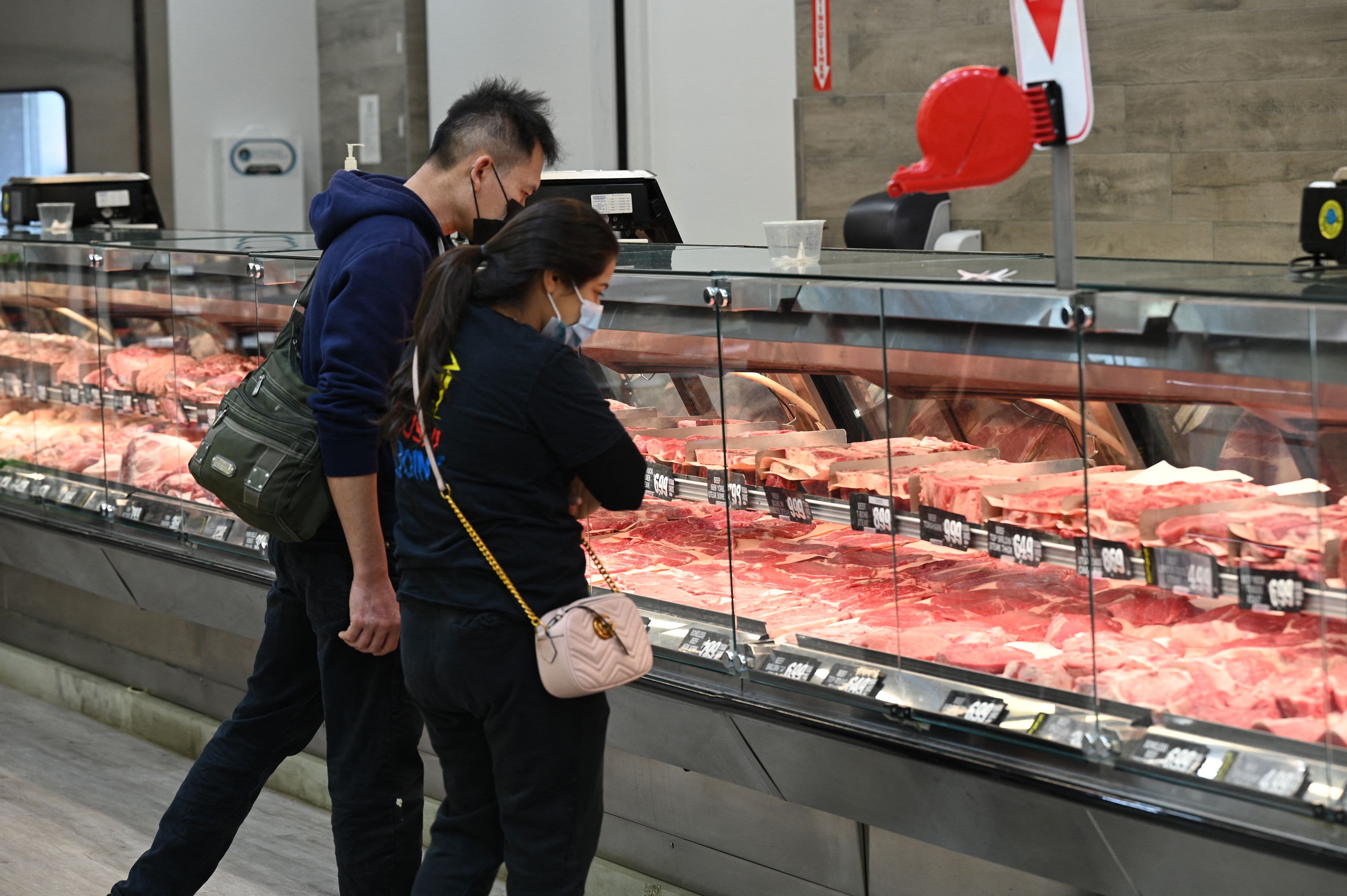
Surging inflation has Americans reconsidering how they spend their money.
In February, the Consumer Price Index, which tracks a diverse range of products and services, increased by 7.9% compared to the previous 12 months. This means that the cost of various items, including groceries and gas, is rising.
A recent survey by CNBC + Acorns Invest in You, conducted by Momentive, found that 48% of adults are constantly thinking about rising prices. The online poll was conducted March 23-24 among a national sample of 3,953 adults.
A survey found that three-quarters of people are concerned that rising prices will require them to reassess their financial decisions in the near future.
According to a Moody's Analytics analysis, the average U.S. household is facing an additional $296 in monthly expenses due to inflation. Experts predict that the situation will worsen before it improves.
Despite retail sales growing at a slower pace than expected in February, there has been no substantial impact on consumer spending.
People have reduced their dining out, with 53% saying they've cut back, according to a survey. Additionally, they are driving less and canceling monthly subscriptions.
If prices continue to rise, Americans plan to reduce their dining out, driving, and travel expenses even further.
The past year has been challenging for many, with 52% reporting increased financial stress. Their main concerns are gas prices, housing costs, and food costs. In the past year, gas prices rose by 38%, shelter increased by 4.7%, and food prices increased by 7.9%.
A majority of Americans disapprove of President Joe Biden's handling of inflation, with 61% expressing dissatisfaction.
Recession fears
This year, 81% of Americans believe a recession is likely to occur, with concerns about the current economic environment being the primary driver of this belief.
Mark Zandi, the chief economist at Moody's Analytics, stated that people are tense and there is a high risk of recession.
He puts the odds at 1 in 3 and rising.
When will inflation slow?
The pandemic caused inflation by disrupting supply chains and labor markets, and the Russian invasion of Ukraine exacerbated the issue by affecting gas and food prices, according to Zandi.
As the pandemic fades and the fallout of the Russian invasion subsides, inflation should moderate, according to him.
Inflation will cause more pain for consumers in the near term, according to Zandi.
A couple of bad months lie ahead, he stated.
Inflation is expected to peak in May, and by the end of the year, it will decrease significantly, based on the outcome of global events and the Federal Reserve's response. The central bank has already raised interest rates and plans to do so six more times this year to combat inflation.
If the Fed fails to adjust things correctly, the economy may enter a recession, Zandi cautioned.
Navigating higher prices
The first step is to manage your finances effectively.
Rewritten: A certified financial planner, Ashton Lawrence, a partner at Goldfinch Wealth Management in Greenville, South Carolina, advised that asking yourself some key questions can help you identify areas where you can cut costs.
"Can you provide an overview of our cash flow and the type and amount of debt we have?" he inquired.
Controlling what you can and making minor adjustments is key.
If prices continue to surge, consumers plan to cut back on the following: Most Americans are worried about a recession hitting this year.
Cut back on optional expenses by breaking down your spending into needs and wants, advised CFP Carolyn McClanahan, founder and director of financial planning at Life Planning Partners in Jacksonville, Florida.
Cooking at home not only saves money but is also healthier, according to McClanahan, a medical doctor. To save money at the grocery store, use coupons and compare prices.

On nights when time is tight and you're tempted to order takeout for dinner, McClanahan prepares meals in bulk on Sundays and stores them in the freezer for those nights.
By carpooling or planning car trips, you can reduce your driving and save on gas. Additionally, working from home a few days a week can also help minimize gas consumption.
Being worried about rising prices won't benefit your health, as you have no control over them, according to McClanahan.
Consider solely the aspects within your control, she advised.
By being mindful of how you spend your money, you can help reduce the impact of the outside world on you.
To receive the 8-week course on financial freedom, Money 101, click here. For the Spanish version, click here.
Disclosure: NBCUniversal and Comcast Ventures are investors in Acorns.
investing


















You might also like
- In 2025, there will be a significant alteration to inherited IRAs, according to an advisor. Here's how to avoid penalties.
- An expert suggests that now is the 'optimal moment' to reevaluate your retirement savings. Here are some tips to help you begin.
- A human rights expert explains why wealth accumulation is increasing at an accelerated rate during the era of the billionaire.
- Social media influencers are here to stay, regardless of what happens with TikTok. Here's how to vet money advice from them.
- This tax season, investors may be eligible for free tax filing.